
Sewing Patterns
Glove Sewing Pattern: Fit, Thumb, and Fabric Guide
Aug
A glove sewing pattern is small, but it is one of the best projects for learning precise fit because every seam sits against a moving joint. In the local Semrush export, “glove sewing pattern” shows 720 monthly searches with keyword difficulty 5, which makes it a strong low-competition buyer and tutorial keyword.
This guide explains how to choose a glove pattern, measure the hand, test stretch, handle the thumb and finger gussets, control bulk, finish cuffs, and decide whether a pattern is realistic for a first attempt.
Key Takeaways
- Choose a glove pattern by hand circumference, finger length, thumb angle, stretch requirement, and seam allowance.
- Stretch knits, fleece, power mesh, faux suede, and light leather need different needles and seam finishes.
- Finger gussets create better movement, but they require accurate marking and slow stitching.
- Always sew one test glove first because tiny fit errors are obvious on the hand.
What Makes a Glove Sewing Pattern Work?
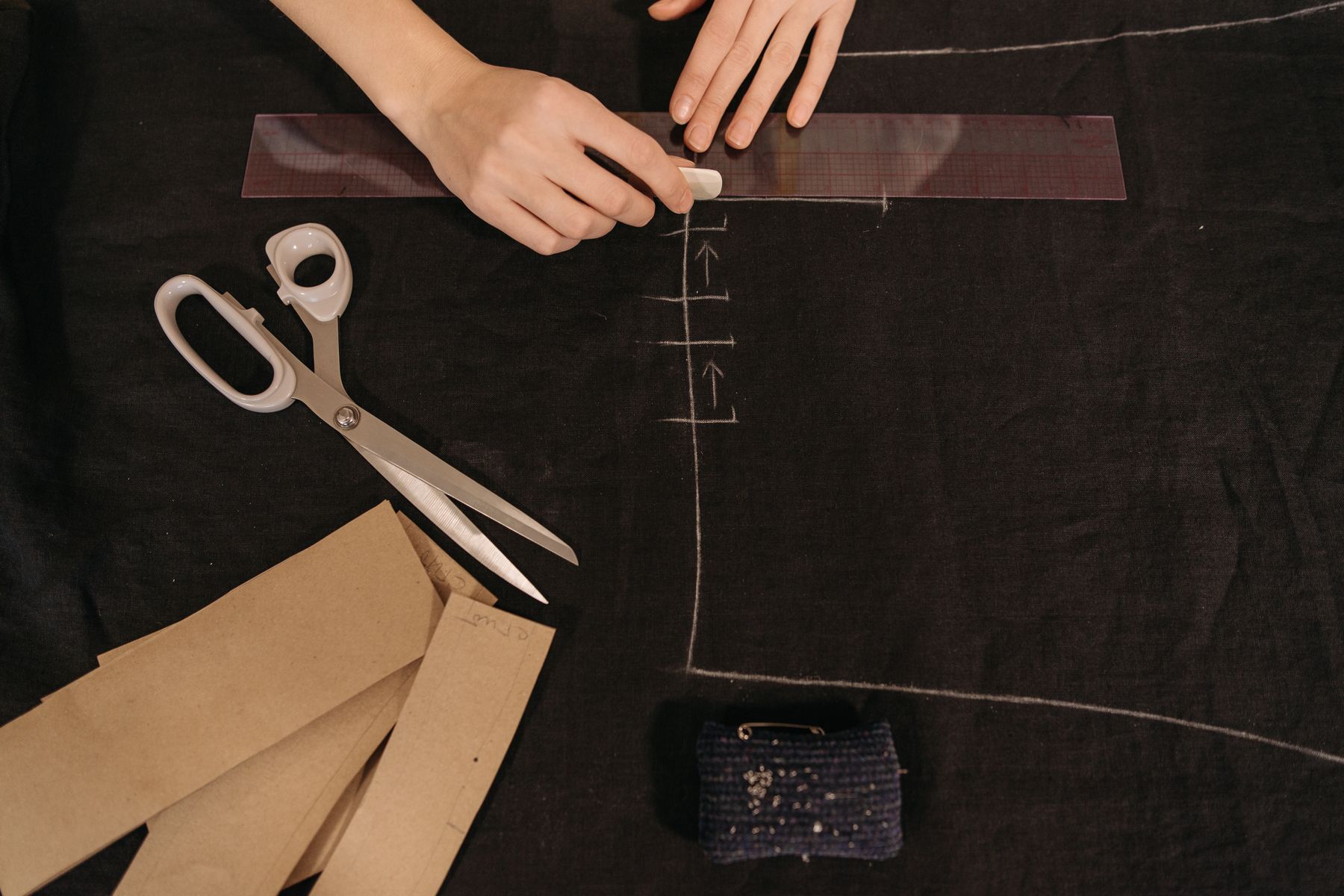
A good glove pattern follows the hand rather than forcing the hand into a flat shape. The Shapes of Fabric shows that glove drafting starts from real hand measurements, including finger length, palm width, and thumb position, because the thumb angle controls most of the movement.
Look for pattern pieces that identify left and right hands clearly. Gloves are easy to mirror by accident, especially when fabric has a right side and a wrong side. Mark each piece before cutting so the thumb and finger gussets land on the correct hand.
If pattern markings still feel abstract, start with our how to read a sewing pattern guide. Gloves depend on notches, grain, seam lines, and mirrored pieces more than many larger garments.
How Do You Measure for a Glove Pattern?
Measure hand circumference across the knuckles, palm length from wrist to middle finger, each finger length, thumb length, and wrist opening. Use a soft tape and keep the hand relaxed, because a clenched hand changes the circumference.
Compare body measurements with the pattern’s finished measurements if they are provided. Gloves need less ease than most garments, but they still need movement at the knuckles and thumb web. A glove that measures perfectly flat can feel tight once fingers bend.
Trace the hand on paper as a fit reference. Keep the pencil upright, then mark finger webs and thumb base. That tracing will not replace a drafted pattern, but it helps you spot a pattern with fingers that are too short, too wide, or wrongly spaced.
Which Fabric Should You Use for Gloves?
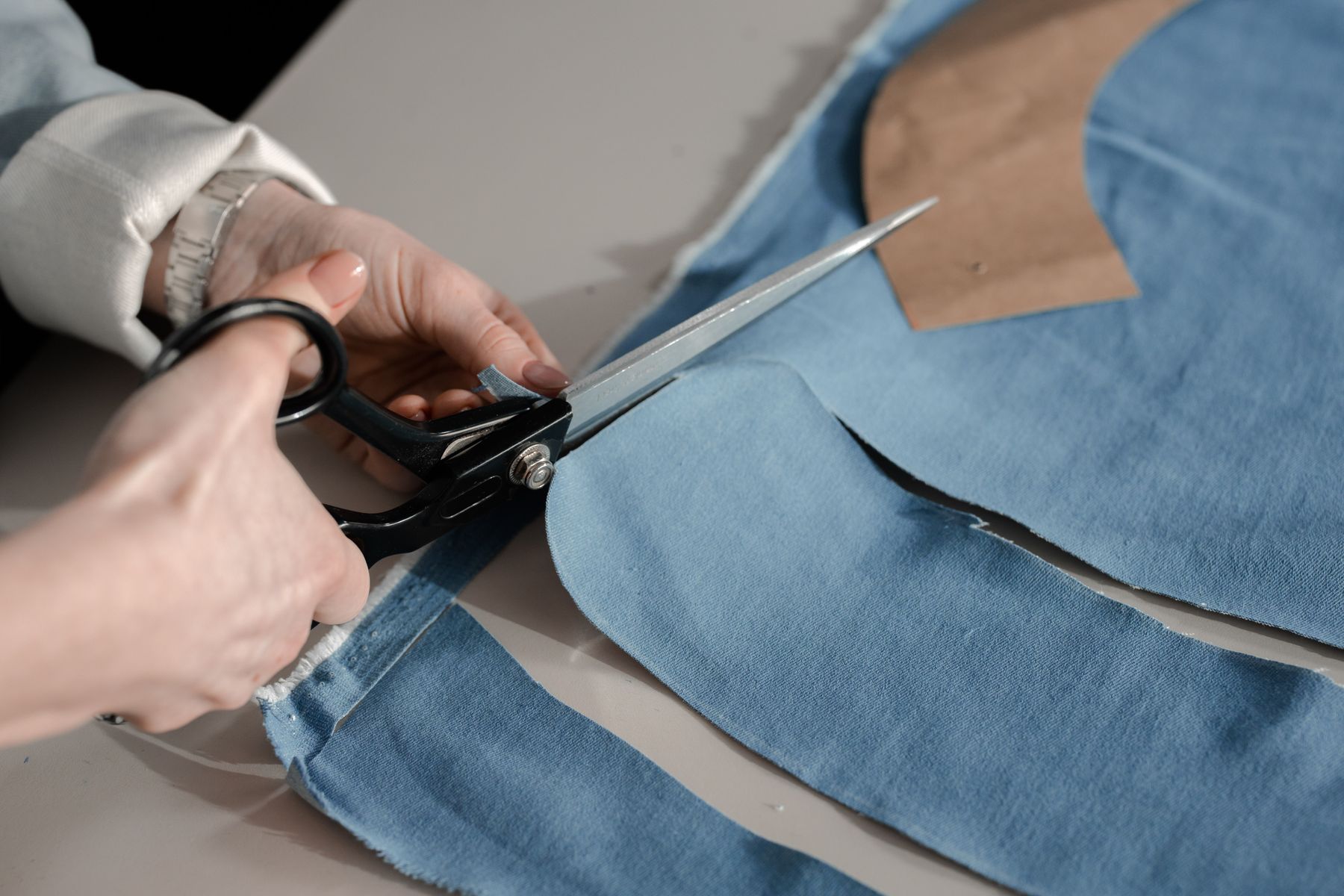
Choose glove fabric by stretch, thickness, warmth, and seam bulk. Stretch jersey, rib knit, fleece, ponte, power mesh, faux suede, costume fabric, and light leather can work, but each one changes the size you should cut.
For a first glove sewing pattern, use a stable stretch knit or fleece with good recovery. It forgives small fit issues better than woven fabric. Light leather and faux leather can look polished, but permanent needle holes make testing more important.
Check stretch direction before cutting. Most gloves need stretch around the hand, not only along the length of the fingers. If the greatest stretch runs the wrong way, the glove may pull across the knuckles and feel loose at the fingertips.
For more fabric testing habits, compare the sample-stack method in our underwear sewing pattern guide. Small garments punish poor stretch recovery quickly.
How Should the Thumb Piece Fit?
The thumb piece should let the hand open, pinch, and grip without twisting the palm. DRCOS Patterns shows a separate thumb joined into a curved opening, which is why the seam line must be marked before stitching.
Pin the thumb into the opening with the glove on the table, then test the angle against your own hand before sewing. If the thumb points too far inward, gripping feels restricted. If it points too far outward, the palm wrinkles.
Sew the thumb seam slowly and avoid pulling the curved opening. Shorten the stitch slightly near the thumb web, then press with a narrow tool or finger press if the fabric cannot take heat.
When in doubt, baste the thumb first. A removable basting seam lets you try the glove on and correct the angle before tiny stitches make the seam hard to unpick.
Do You Need Finger Gussets?
Finger gussets add depth between fingers so the glove can wrap around the hand. Glove.org’s beginner glove instructions describe cutting three gussets for each hand, then marking which gusset belongs between each finger.
Use gussets when sewing woven fabric, non-stretch fabric, leather, or close-fitting costume gloves. Very stretchy knit gloves can sometimes skip separate gussets, but that shortcut usually creates a flatter and less tailored shape.
Keep gusset seam allowances narrow and consistent. A bulky seam between fingers feels uncomfortable immediately. Trim and grade carefully, but do not cut so close that stress opens the seam after a few wears.
The control is similar to the pointed inserts in our how to sew a gusset guide, only smaller. Mark the stitching line, not just the cutting line.
Common Glove Pattern Mistakes to Avoid
The most common mistake is skipping the test glove. Gloves are small enough that a two millimeter difference can affect finger length, thumb comfort, or wrist tightness. Test one hand before cutting the full pair.
Another mistake is stretching the fabric while sewing. Stretch can help the glove fit, but pulling it under the presser foot creates wavy seams and uneven fingers. Let the feed dogs move the fabric and use a stretch needle when needed.
Do not use thick seam finishes between fingers. Serging may be too bulky for narrow glove channels. A small zigzag, stretch stitch, trimmed straight stitch, or hand finish can feel better depending on fabric.
Do not forget handedness. Cut mirror images, label every thumb and palm piece, and keep left-hand parts separate from right-hand parts until assembly is complete.
- Do not guess finger length. Measure each finger because hands are not symmetrical.
- Do not skip stretch recovery. Fabric that grows will make loose gloves.
- Do not overpress fleece or faux suede. Test heat on scraps first.
What Sewing Setup Gives Cleaner Glove Seams?
Use a fresh ballpoint, stretch, microtex, leather, or universal needle based on the fabric. Pair it with polyester thread and test the seam on the smallest curved piece before sewing the real glove.
A narrow presser foot helps around fingers. Reduce pressure if the fabric stretches, and use tissue paper or a stabilizer strip if lightweight knit gets pulled into the needle plate.
Trim seam allowances only after the fit is confirmed. Inside fingers, remove bulk gradually. If a seam feels sharp or bulky when worn, open it and refine the finish before sewing the second glove.
Finish the wrist with a hem, binding, elastic, rib cuff, snap tab, or lining based on the pattern style. The cuff must hold the glove in place without cutting into the wrist.
How Can One Glove Pattern Become More Useful?
Once the base glove fits, repeat it with one change at a time. Try fingerless length, longer wrist cuffs, contrast palms, touchscreen fabric patches, fleece lining, lace overlays, or decorative topstitching across separate versions.
Use the pattern for costume, winter, driving, bridal, or sun-protection gloves by changing fabric and cuff length. Keep the thumb and finger fit stable while changing the style details around it.
Save notes on fabric stretch, seam allowance, needle size, stitch type, finger length changes, thumb adjustment, and cuff finish. Those notes are more valuable on gloves than on many larger projects because the fit tolerance is narrow.
If you print PDF patterns at home, use our sewing pattern printing guide before cutting. A small scaling error is very visible on glove fingers.
Frequently Asked Questions
Is a glove sewing pattern beginner friendly?
It can be beginner friendly if the pattern uses stretch fabric, simple fingers, and a clear thumb piece. A woven or leather glove with separate finger gussets is better for an intermediate sewist because the pieces are small and precise.
What fabric is best for sewing gloves?
Stable stretch knit, fleece, ponte, faux suede, power mesh, and light leather can work. Beginners should start with fabric that has stretch recovery and moderate thickness so the glove fits without bulky finger seams.
Why do glove patterns have gussets?
Finger gussets add depth between fingers and help the glove wrap around the hand. Without gussets, non-stretch gloves often feel flat, tight across the knuckles, or uncomfortable between the fingers.
How do I make glove fingers fit better?
Measure each finger, baste one test glove, and adjust length before sewing the pair. Shorten or lengthen from the fingertip and finger base carefully so the knuckle and finger web still sit in the right place.
Sources
- Semrush keyword export, Pattern Lab Co workspace, retrieved 2026-08-14.
- The Shapes of Fabric, Exploring How to Make Gloves from Scratch, retrieved 2026-08-14.
- DRCOS Patterns, How to Make Gloves, retrieved 2026-08-14.
- Glove.org, How to Make Gloves, retrieved 2026-08-14.
- Instructables, How to Make Gloves, retrieved 2026-08-14.
