
Sewing Patterns
Overalls Sewing Pattern: Bib, Strap, and Fit Guide
Aug
An overalls sewing pattern should be chosen by fit, fabric, strap design, pockets, and construction order, not just by the front photo. In the local Semrush export, “overalls sewing pattern” shows 720 monthly searches with keyword difficulty 9, which keeps it inside the low-competition range.
This guide explains how to choose overalls that match your sewing level, test the bib and rise, pick denim or linen, place straps and pockets, handle hardware, and avoid bulky seams that make handmade overalls uncomfortable.
Key Takeaways
- Choose overalls by finished hip ease, rise, bib height, strap path, closure type, and pocket placement.
- Denim, twill, canvas, corduroy, linen, and bottom-weight cotton all need different needles and pressing.
- Test straps and bib height on the body because flat pattern pieces cannot show shoulder comfort.
- Plan pockets, topstitching, and hardware before assembly so details are not trapped in finished seams.
What Makes an Overalls Sewing Pattern Work?
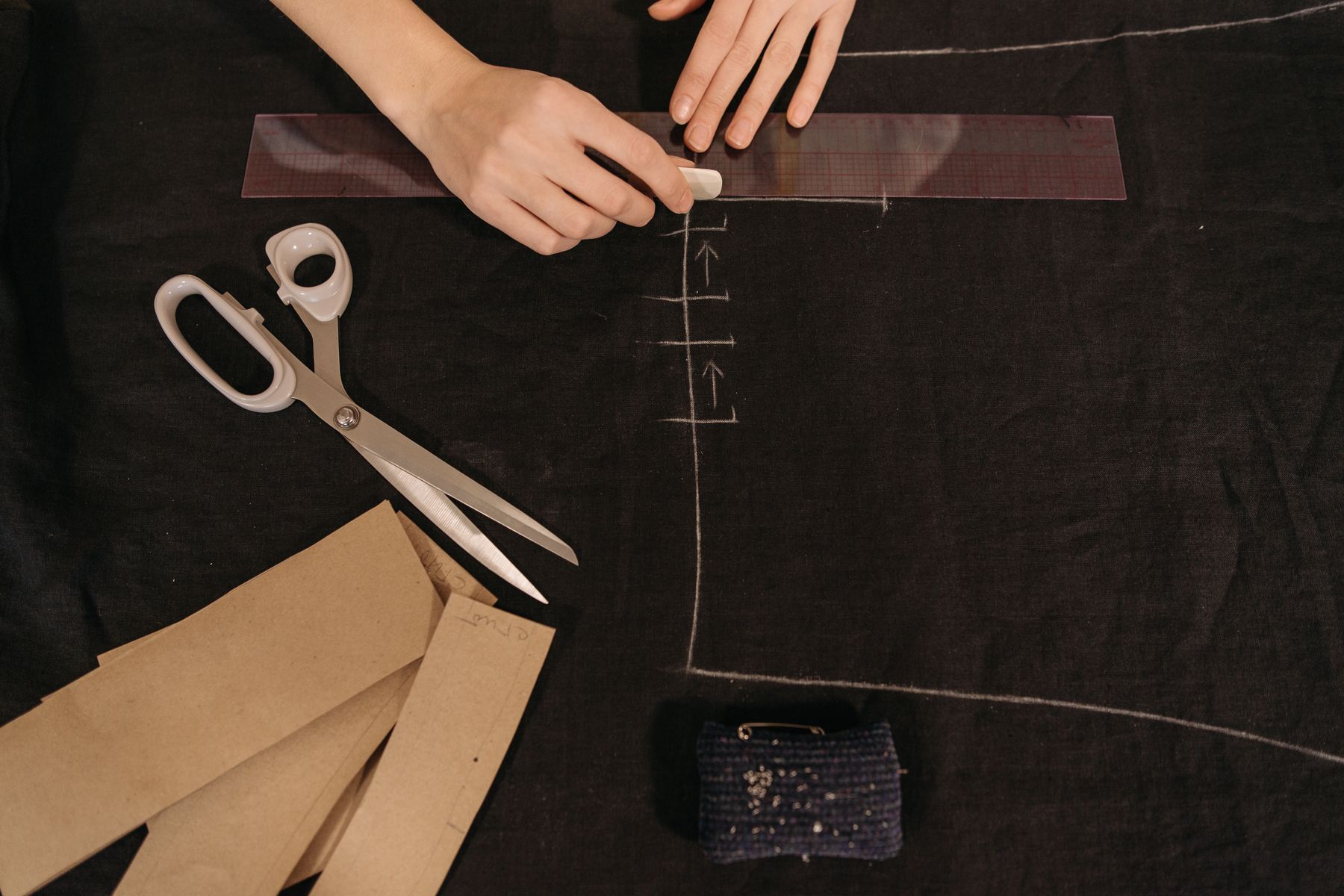
A good overalls pattern balances trouser fit with bib proportion and strap comfort. Threads Monthly describes many overall patterns by size range, leg shape, bib style, pocket type, and fabric recommendation, which are the same details to compare before buying.
Choose the silhouette first. Classic denim overalls, loose dungarees, linen jumpsuit-style overalls, shortalls, and workwear-inspired versions do not fit the body the same way. The pattern photo should match how much ease you want through the hip and leg.
If lower-body fitting is new, review our pants sewing pattern fit checks before cutting. Overalls still need comfortable rise, hip ease, and sitting room.
How Do You Choose the Right Overall Size?
Choose size from full hip, waist, rise, inseam, and finished garment measurements. The bib may look dominant in photos, but the pants portion decides whether the overalls are wearable when sitting, walking, and bending.
If your waist and hip fall into different sizes, grade between sizes before adjusting the bib. Overalls often have side buttons, ties, elastic, or a looser waist, but the hip and rise must still match your body.
Make a quick muslin from the waist down if the pattern is fitted, expensive, or new to you. You do not always need a fully finished sample, but you should test sitting, squatting, pocket reach, and side seam balance.
Which Fabric Works Best for Overalls?
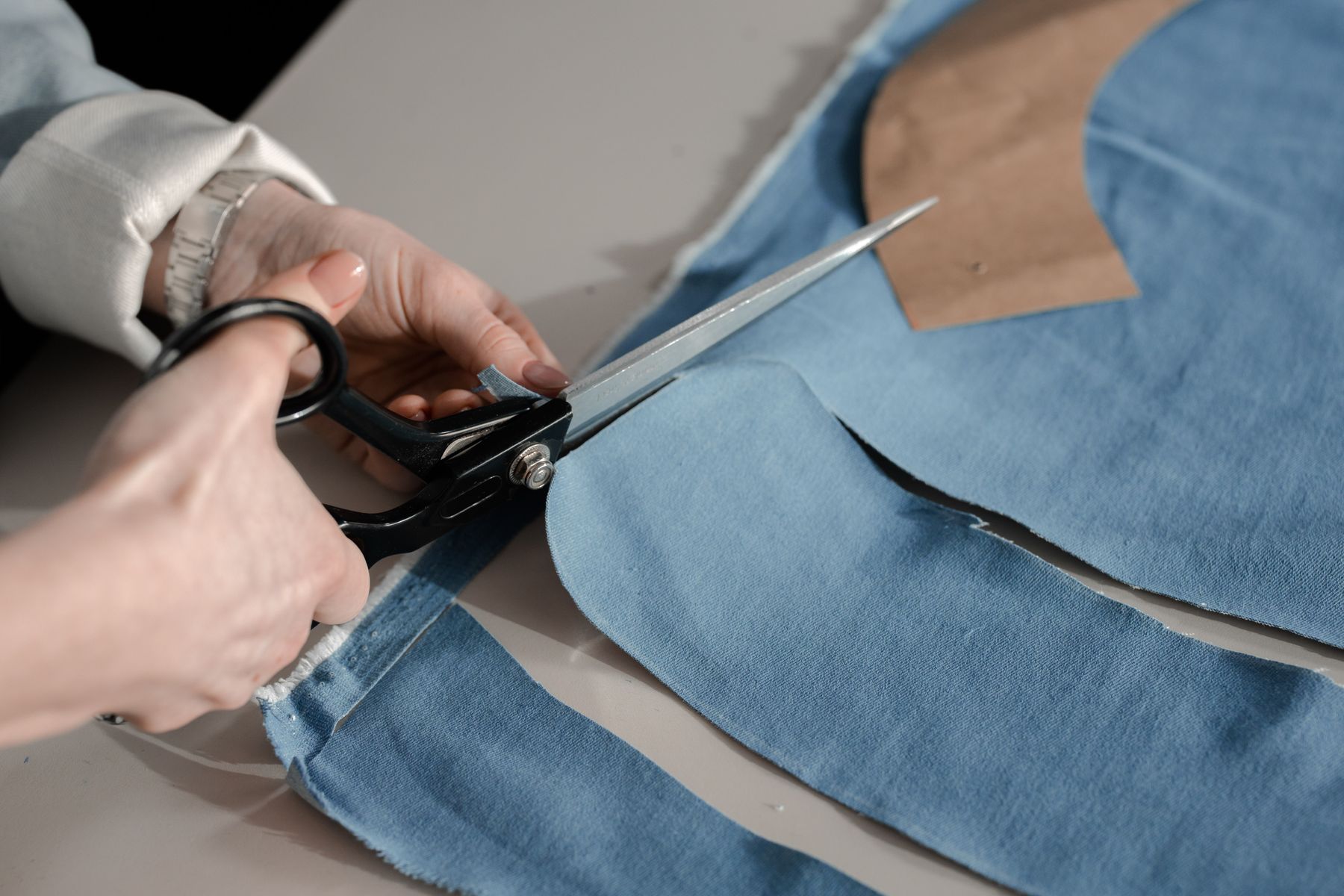
Choose fabric by weight, drape, and seam bulk. Threads Monthly lists bottom-weight woven fabrics such as denim, twill, canvas, gabardine, linen, jacquard, and brocade for classic overall styles.
Denim and twill give sturdy workwear structure. Linen and cotton blends feel easier for warm weather. Corduroy adds texture but needs nap layout. Stretch fabric can add comfort, but it may grow at the knees and seat without enough recovery.
Check the pattern’s fabric recommendation before buying. A pattern drafted for soft linen may feel stiff in heavy denim. A pattern drafted for denim may collapse in thin rayon unless the bib and pockets are supported.
For wide-leg versions, compare fabric movement in our palazzo trousers sewing pattern guide. Overalls with fluid legs need the same drape checks.
How Should the Bib and Straps Fit?
The bib should sit high enough to feel secure and low enough to move with the torso. Tilly and the Buttons shows straps being attached to the bib and yoke before layers are joined, which makes placement accuracy important early in construction.
Pin the bib and straps to a test version before sewing final hardware. Wear the overalls over the tops you expect to pair with them. A fitted T-shirt, sweater, blouse, or cropped jacket can change where straps feel comfortable.
Check strap angle from front to back. Cross-back straps resist slipping but need enough length and correct placement. Straight straps can be easier to sew, but they may slide off narrow shoulders unless hardware placement is refined.
Adjust strap length before final topstitching. If the bib pulls up when you sit or gaps forward when you stand, the problem may be strap length, rise depth, or bib height rather than the bib piece alone.
Which Pockets and Closures Should You Plan First?
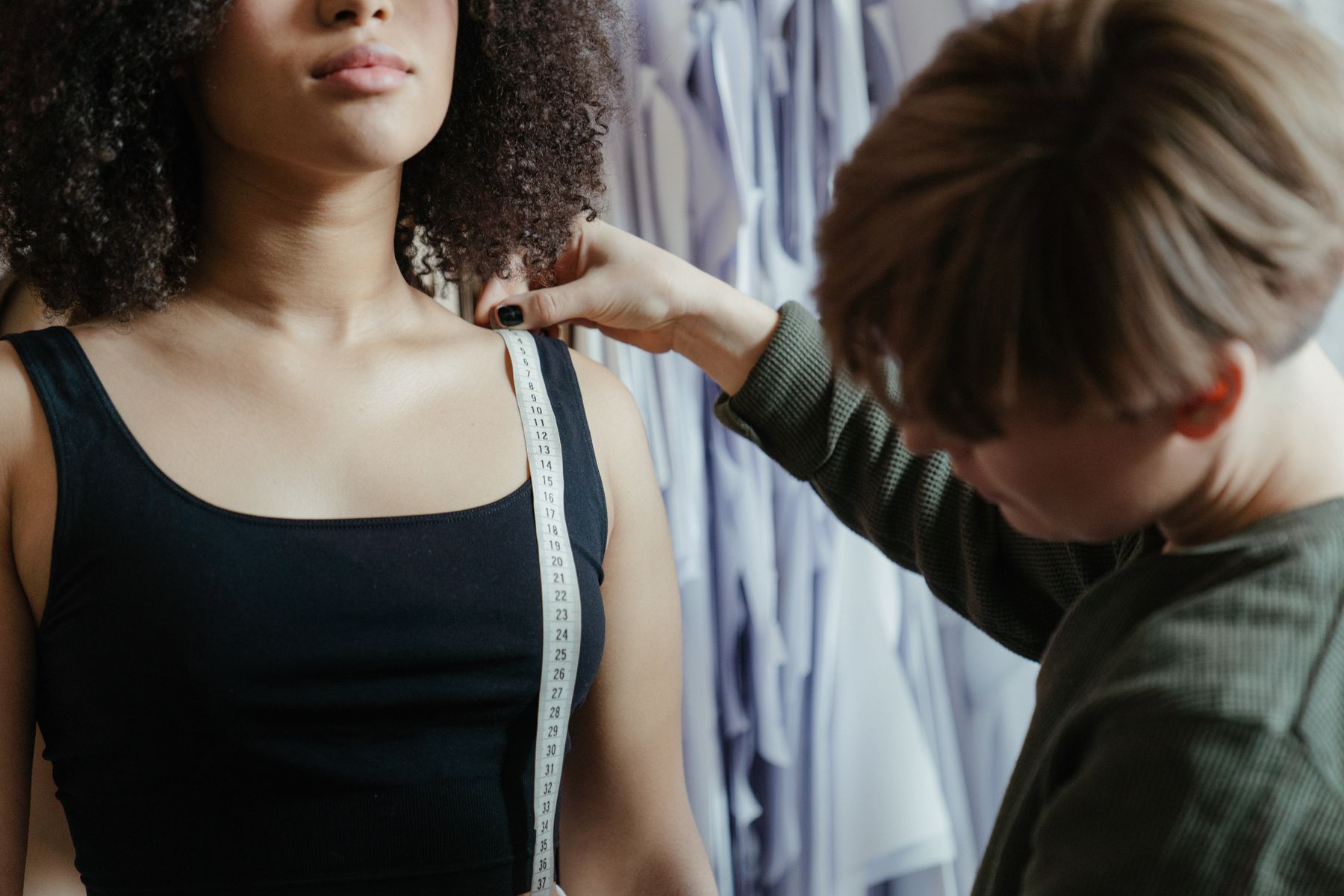
Plan pockets before major assembly because bib pockets, front hip pockets, back patch pockets, hammer loops, and side openings are easiest to sew while pieces are flat.
The Stitch Sisters’ dungaree tutorial uses straps passed through front loops and tied, which is a simpler closure approach than metal overall buckles. Traditional hardware looks classic, but it requires accurate placement and reinforced strap ends.
Side buttons, snaps, zippers, ties, and buckles all change how the garment goes on and off. If the wearer needs fast dressing, avoid closures that require awkward reaching or repeated retying.
Reinforce pocket corners, strap ends, side openings, and bib edges. These points take repeated pulling. Add interfacing patches, bar tacks, triangles, or box stitching before the area becomes hard to access.
How Do You Control Denim and Topstitching Bulk?
Control bulk by grading seams, hammering thick intersections gently, pressing in stages, and choosing the right needle. Denim overalls often stack fabric at the side seam, waistband, pocket edges, straps, and bib corners.
Use a denim or topstitch needle for heavy fabric and test topstitching thread before sewing visible seams. A longer stitch often looks more professional on denim, but it should still hold pocket and strap stress points securely.
Topstitch in a planned order. Some seams must be topstitched before the next piece covers them. Read the full instructions once before sewing so pocket edges, side seams, bib edges, and straps do not trap unfinished details.
If your machine struggles, reduce bulk rather than forcing the seam. Trim seam allowances, use a hump jumper, hand-crank over thick points, or choose lighter fabric for the first pair.
Common Overalls Pattern Mistakes to Avoid
The biggest mistake is fitting only while standing. Overalls must handle sitting, bending, walking, and reaching. A pair that looks good in a mirror can pull at the rise or straps once you move.
Another mistake is placing pockets from the pattern without checking body proportions. Bib pockets can sit too high or too low, and back pockets can change the visual balance of the seat. Pin and check them before stitching.
Do not ignore fabric weight. Heavy denim makes durable overalls, but it also creates thick seams. Soft linen is comfortable, but it may need support at the bib and pocket corners.
Do not install final hardware until fit is confirmed. Buckles, rivets, snaps, and jeans buttons can be hard to remove cleanly. Baste or temporarily pin first.
- Do not skip a sitting test. Rise depth decides daily comfort.
- Do not sew pockets too late. Flat pieces are easier to control.
- Do not assume strap length. Test with real tops underneath.
How Can One Overall Pattern Build a Handmade Wardrobe?
Once the fit works, an overalls pattern can become several garments. Try full length, cropped legs, shorts, skirtall versions, contrast straps, corduroy, linen, denim, or utility pockets while keeping the tested rise and bib fit.
Use topstitching color to change the mood. Tonal thread looks quiet and wearable. Contrast thread feels classic and workwear-inspired. Test both on scraps before stitching every visible seam.
If you like one-piece dressing, compare the construction choices in our jumpsuit sewing pattern guide. Both projects depend on torso length, rise, and fabric behavior.
Save the final pattern with notes on size blend, rise adjustment, inseam, strap length, bib height, pocket placement, needle, thread, and hardware. Those details make the next pair faster and more reliable.
Frequently Asked Questions
Is an overalls sewing pattern good for beginners?
It can be, if the pattern has loose legs, simple pockets, clear straps, and no complex fly. A beginner should avoid heavy denim, rivets, and complicated side closures until basic trouser fit and topstitching feel comfortable.
What fabric should I use for overalls?
Denim, twill, canvas, corduroy, linen, gabardine, and bottom-weight cotton are common choices. Start with medium-weight fabric that your machine can handle, then move to heavy denim after testing seams and topstitching.
How do I fit overall straps?
Pin or baste straps before final hardware, then test standing, sitting, and reaching. Adjust length and angle while wearing the shirt or sweater you expect underneath because layers change bib height and shoulder comfort.
Should I make a muslin for overalls?
Yes, at least from waist to upper thigh if the pattern is fitted. A quick muslin helps check rise, hip ease, side closure, pocket reach, and strap placement before cutting final denim or linen.
Sources
- Semrush keyword export, Pattern Lab Co workspace, retrieved 2026-08-14.
- Threads Monthly, Overall, Dungaree and Boiler Suit Sewing Patterns, retrieved 2026-08-14.
- Tilly and the Buttons, Erin Dungarees Sewalong Assemble the Bib, retrieved 2026-08-14.
- The Stitch Sisters, DIY Dungaree Overalls Tutorial, retrieved 2026-08-14.
- Sage and Lilac, Free Overall Sewing Patterns, retrieved 2026-08-14.
