Sewing Patterns
Palazzo Trousers Sewing Pattern: Fit and Fabric Guide
Jul
A palazzo trousers sewing pattern can look effortless, but the best pair starts with exact fit decisions at the waist, hip, rise, and fabric stage. In the local Semrush export, “palazzo trousers sewing pattern” shows 590 monthly searches with keyword difficulty 0, which makes it a strong low-competition topic with buyer and tutorial intent.
This guide shows you how to choose a palazzo pattern, read the finished measurements, match fabric drape, test the crotch curve, and keep the first pair simple enough to finish well.
Key Takeaways
- Choose palazzo trousers by hip, rise, and waistband style, then treat leg width as design ease.
- Soft linen blends, rayon challis, crepe, and fluid suiting create the best drape for most palazzo patterns.
- A fast muslin catches sitting ease and crotch curve problems before you cut expensive fabric.
- Elastic-back or side-zip designs are easier first projects than fly-front tailored palazzo trousers.
What Makes a Palazzo Trousers Sewing Pattern Work?
A good palazzo pattern balances three areas: a secure waist, enough hip room, and a wide leg that falls from the body instead of clinging. Pattern Emporium describes palazzo pants as a project built around the right pattern, fabric, tools, and sewing instructions.
The wide leg is not the hard part. Fit issues usually start at the crotch curve, rise, or waistband. If those points are wrong, extra leg width can hide wrinkles in photos but still feel uncomfortable when you walk or sit.
Start with a pattern that lists finished garment measurements. If you want a smaller fitting step first, compare the hip and rise logic in our pants sewing pattern fit guide before choosing your palazzo size.
How Much Ease Do Palazzo Trousers Need?
Palazzo trousers need generous design ease in the leg, but controlled wearing ease at the waist and hip. Love Notions explains that ease is the difference between body measurements and finished garment measurements, and that both wearing ease and design ease affect fit.
For woven palazzo trousers, choose your starting size from the hip unless the pattern instructions say otherwise. The waist can usually be adjusted with darts, elastic, or a waistband seam. Missing hip room is harder to add after cutting.
Compare the finished hip measurement with a pair of trousers you already like. Then sit, bend, and step forward in a muslin. A beautiful standing fit is not enough for trousers that need to move all day.
Which Fabric Gives Palazzo Trousers the Best Drape?
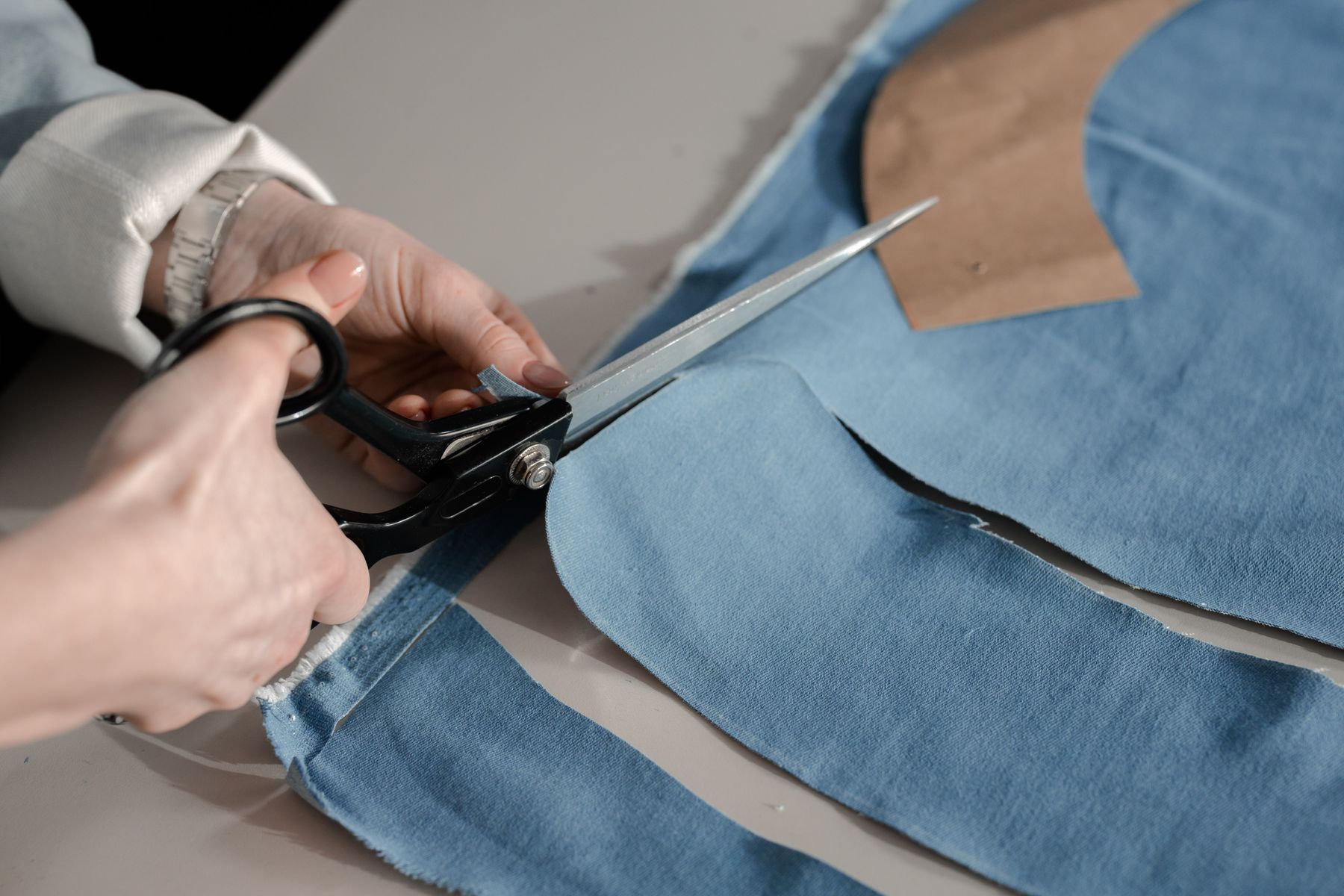
Fabric decides whether palazzo trousers look elegant or bulky. Pattern Emporium emphasizes reading the pattern properly and checking fabric suggestions before starting, because the same leg shape changes dramatically in different cloth.
Choose rayon challis, viscose linen, tencel twill, crepe, lightweight suiting, or a soft linen blend for fluid trousers. Choose cotton lawn or quilting cotton only for a very casual test pair, because crisp fabric can make wide legs stand away from the body.
Hold the fabric from one corner before buying. If it drops in soft folds, it may suit palazzo trousers. If it sticks out like paper, it may work better for shorts, utility skirts, or structured garments.
How Do You Check Rise and Crotch Curve?
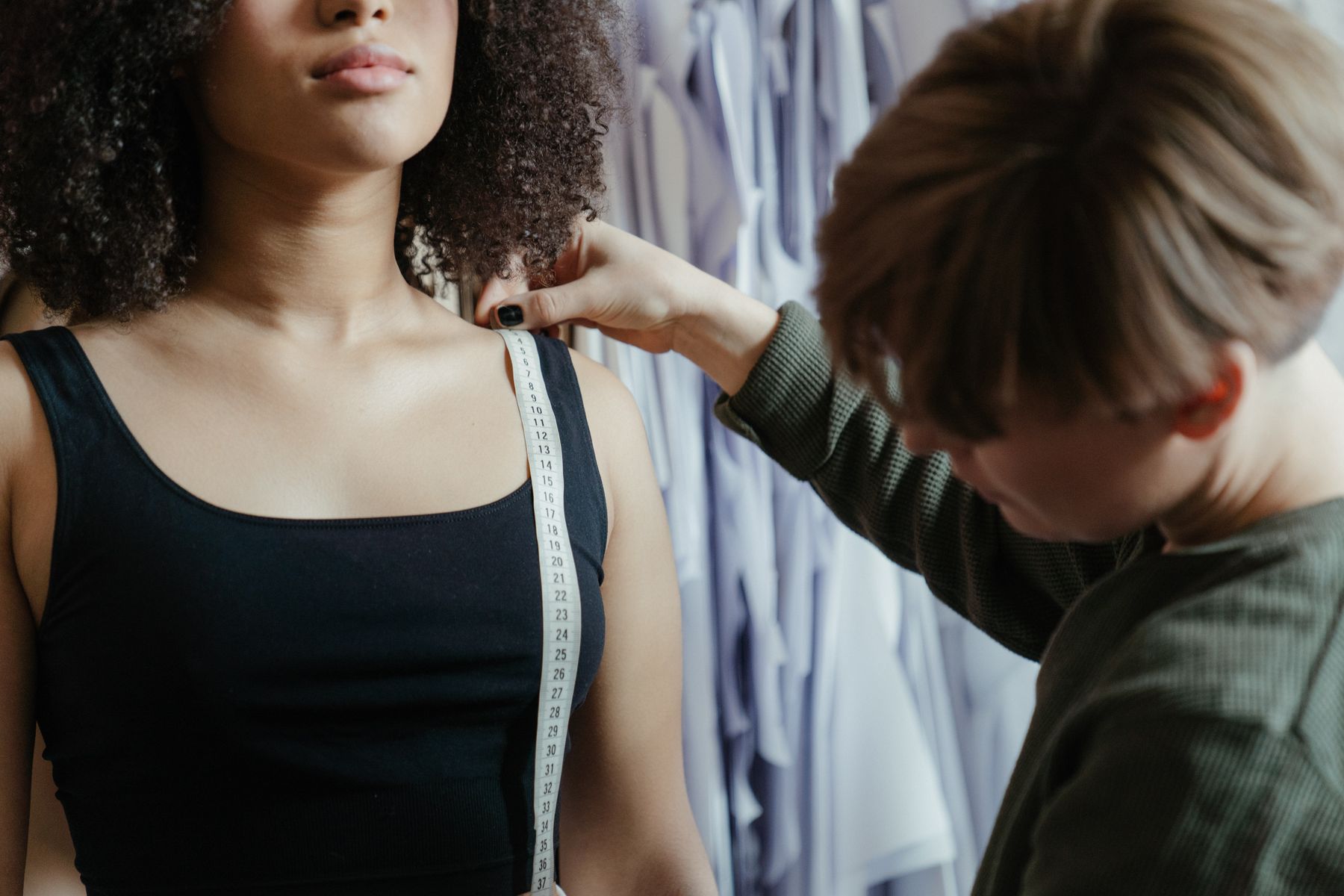
Rise and crotch curve matter more than leg width. Closet Core recommends checking pants while bending, squatting, and reviewing front, side, and back photos, because the fit has to work in motion.
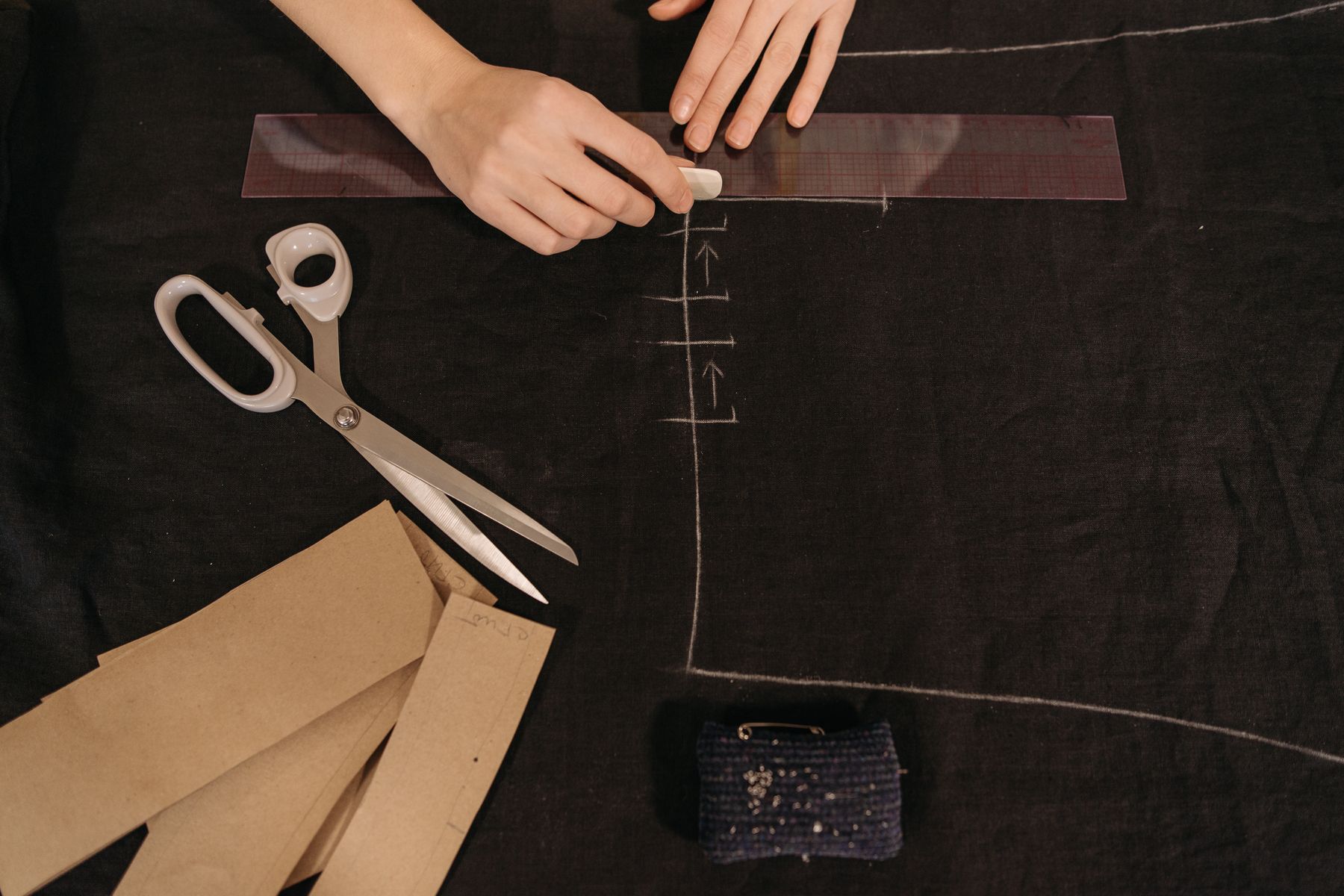
Measure a pair of trousers that already feels good. Run the tape from front waist through the crotch seam to back waist, then compare that to the sewing line on the pattern. Seam allowance edges can mislead you, so measure where the seam will sit.
If the front pulls upward, add front crotch length or adjust the curve in small increments. If the back pulls when sitting, the back crotch may need length or seat room. Change one area at a time so the fitting result stays readable.
What Waistband Is Best for a First Pair?
Elastic-back and side-zip palazzo trousers are the easiest first choices because they reduce closure pressure while still teaching fit. A fully elastic waist is comfortable, but it can add bulk if the fabric is thick or the waist is very gathered.
A flat front with elastic back gives a cleaner line under tucked tops. A side zipper gives the most polished look, but it needs accurate waist fitting before installation. Baste the side seam first and test the closure location while sitting.
If the waistband gaps at the back, remove a small wedge from the waistband pattern rather than pulling the whole trouser tighter. Wide trousers need enough lower-body ease even when the waist sits close.
Common Palazzo Pattern Mistakes to Avoid
The most common mistake is choosing a fabric with too much body. The second is assuming wide legs remove the need for fitting. Palazzo trousers can be loose and still pull at the crotch, dip at the back waist, or twist at the inseam.
Another mistake is skipping grainline checks. Wide legs show off-grain cutting because the side seams can swing forward or backward. Let fabric relax after washing, align the grainline carefully, and cut single layer if the cloth shifts.
Do not hem immediately after sewing. Hang the trousers overnight if the fabric is fluid, then mark the hem while wearing the shoes you expect to use. For shorter warm-weather projects, our shorts sewing pattern guide uses the same grain and rise checks.
- Do not ignore pockets. Heavy pocket bags can drag on fluid fabric.
- Do not overfit the thigh. Palazzo trousers need room to swing cleanly.
- Do not skip pressing. Pressed seams make wide legs hang straighter.
What Sewing Details Make Palazzo Trousers Look Finished?
Small construction choices make wide-leg trousers look intentional. Stabilize pocket openings, press the crotch seam carefully, and finish raw edges before the legs become bulky. So Sew Easy’s wide-leg pants tutorial shows pocket construction before the side seams, which keeps the pieces easier to handle.
Choose a hem finish that matches the fabric weight. A narrow double-fold hem suits challis and crepe. A deeper blind hem can suit linen, suiting, or heavier rayon twill. If the fabric stretches at the side seam, hang the trousers before marking the final length.
Use the first pair to test proportion, not only fit. Palazzo trousers can look cropped, ankle length, or floor skimming. Pin each length with your usual shoes and take photos from the side. The right hem length often decides whether the volume looks elegant or overwhelming.
How Can One Palazzo Pattern Build a Wardrobe?
One successful palazzo trousers pattern can become a reliable handmade wardrobe base. Make the first pair in an easy fabric, then repeat it in a dressier crepe, linen blend, or soft suiting once the rise and waistband are right.
Keep design changes separate. Change length, then pocket style, then waistband finish across different versions. If you change everything at once, you will not know which decision made the trousers better or worse.
Plan tops before you cut the trouser length. Palazzo trousers often look best when the waist is visible, so a cropped tee, tucked shirt, vest, or short jacket can change the best hem and waistband choice.
Write the finished hem width, rise change, waistband adjustment, needle, and fabric type on the pattern copy. Those notes make the next pair faster and keep you from solving the same fit problem twice.
Frequently Asked Questions
Are palazzo trousers easy to sew?
Yes, if you choose a simple waistband and soft fabric. The wide legs are beginner friendly, but the rise and crotch curve still need checking. Start with elastic-back or pull-on palazzo trousers before trying a tailored side zipper.
What fabric is best for palazzo trousers?
Rayon challis, viscose linen, crepe, tencel twill, and soft lightweight suiting usually work well. The fabric should drape vertically instead of standing away from the body. Crisp cotton can work for tests, but it looks less fluid.
How much fabric do palazzo trousers need?
Most adult palazzo trouser patterns need more fabric than slim pants because the legs are wide. Yardage depends on size, length, fabric width, pockets, and directional prints, so always follow the specific pattern envelope.
Should I make a muslin for palazzo trousers?
Yes, especially for woven fabric. A muslin lets you check sitting ease, rise, crotch length, waistband comfort, and pocket position. It does not need perfect hems or final details to give useful fit information.
Sources
- Semrush keyword export, Pattern Lab Co workspace, retrieved 2026-07-19.
- Pattern Emporium, The Basics Of Palazzo Pants, retrieved 2026-07-19.
- So Sew Easy, Free Wide Leg Pants Pattern (PDF), Palazzo Pants With Elastic Waist, retrieved 2026-07-19.
- Closet Core Patterns, Pants Fitting Adjustments, retrieved 2026-07-19.
- Love Notions, What sewists need to know about Ease, retrieved 2026-07-19.
