Sewing Patterns
T Shirt Sewing Pattern: Knit Fabric and Fit Guide
Jul
A t shirt sewing pattern looks simple, but the fabric choice decides whether the finished tee feels wearable. In the local Semrush export, “t shirt sewing pattern” shows 1,300 monthly searches with keyword difficulty 12, so it is a strong low-competition keyword with clear tutorial intent.
This guide helps you choose a tee pattern, match the stretch percentage, sew the neckline cleanly, and fix the common problems that make handmade tees twist, ripple, or cling in the wrong places.
Key Takeaways
- Choose a tee pattern by fabric stretch, not only by body measurements.
- Stable cotton jersey is easier for beginners than slinky rayon jersey or very thin rib knit.
- Use a stretch needle, narrow zigzag, lightning stitch, or serger so seams can move.
- Test the neckband on scraps before sewing the real neckline.
What Makes a T Shirt Sewing Pattern Beginner Friendly?
A beginner-friendly tee pattern has few pieces, a simple crew or scoop neckline, set-in or grown-on sleeves, and clear stretch requirements. Bethany Lynne Makes notes that a t-shirt can be a good first knit project, especially if the fit is oversized.
Avoid very fitted tees for your first knit project. Negative ease can be comfortable, but it leaves less room for sewing mistakes. A relaxed tee lets you learn cutting, seam stretch, neckband attachment, and hemming without fighting the fit.
Check whether the pattern is drafted for two-way or four-way stretch. A fabric that stretches across the body but not vertically will behave differently from a rayon spandex jersey with stretch in both directions.
How Much Stretch Does T Shirt Fabric Need?
Stretch percentage is the most important fabric check for a tee. The Dreamstress explains that knit weave naturally stretches and that elastane, lycra, or spandex can add more stretch and recovery.
If the pattern asks for 40 percent stretch, a stable 20 percent cotton jersey may feel too tight. If the pattern expects stable jersey and you use very drapey rayon spandex, the neckline and hem may grow while sewing.
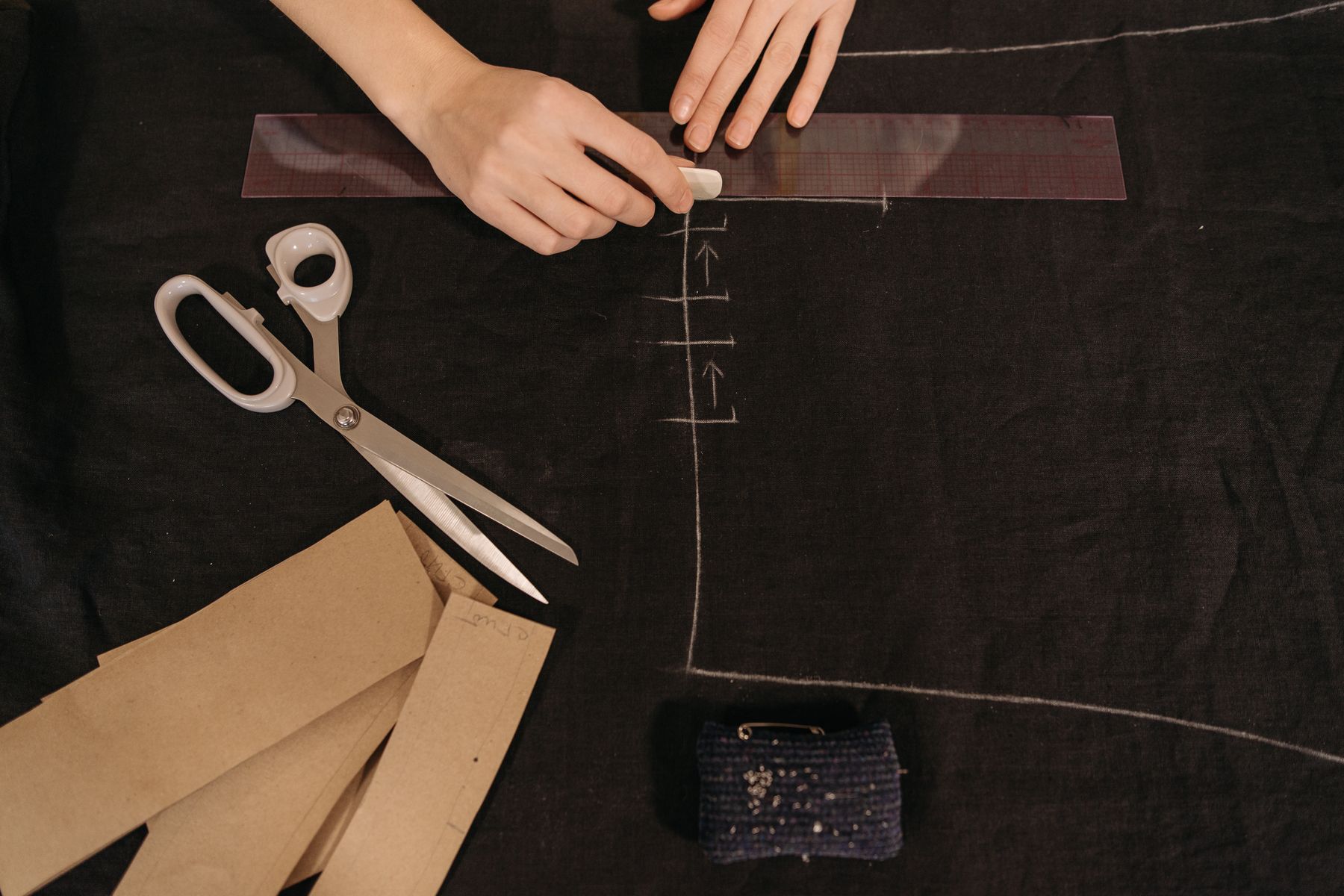
Test stretch with a 4 inch fabric section. Hold it beside a ruler, stretch comfortably without forcing, and see how far it extends. Then release it. If it does not return close to 4 inches, recovery may be poor for a fitted tee.
Which Knit Fabric Should You Choose First?
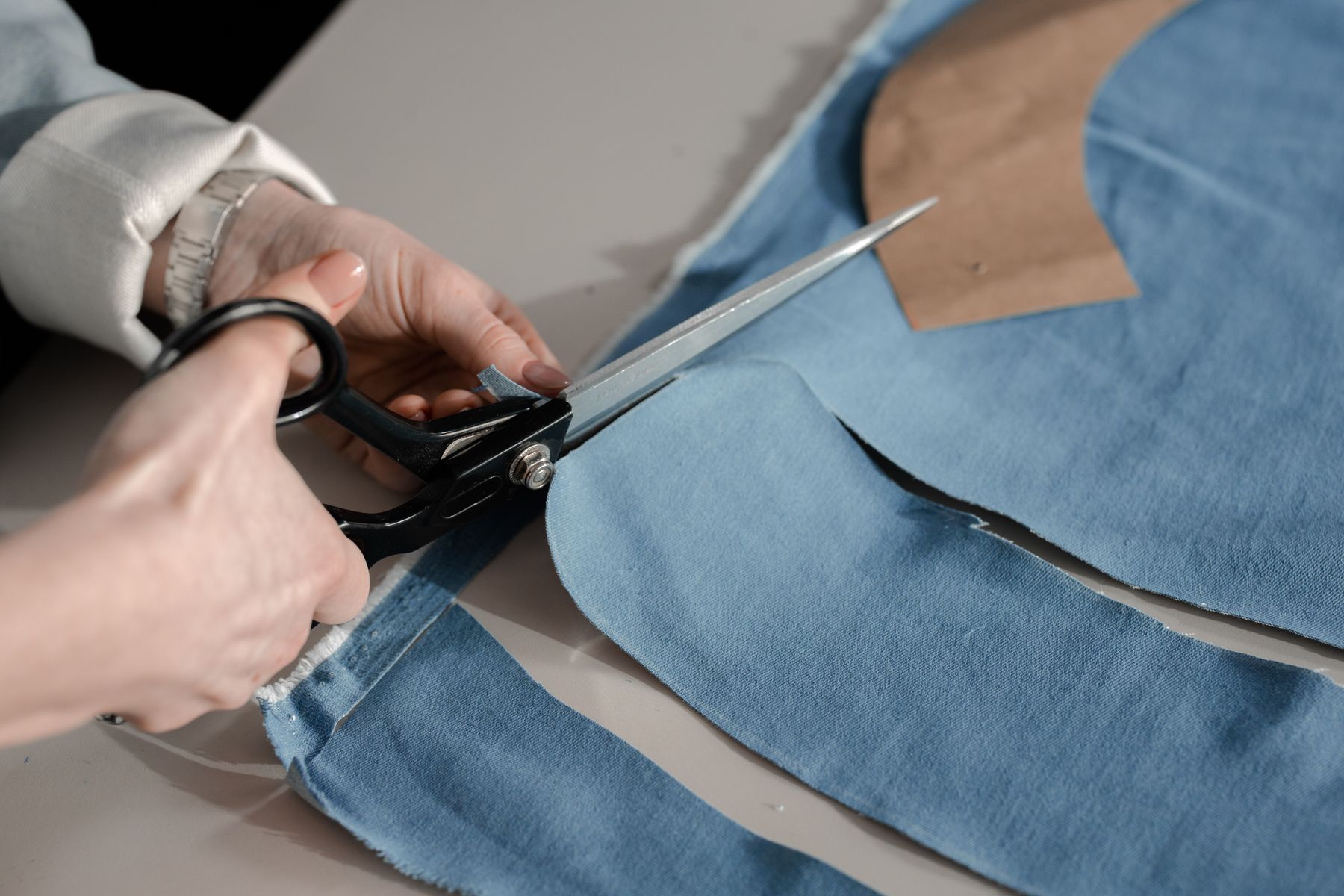
Choose cotton jersey, cotton spandex jersey, interlock, or stable rib knit for a first t-shirt. These fabrics press reasonably well, hold shape, and do not curl as aggressively as very lightweight jersey.
SewCanShe recommends three core choices for stretchy projects: the right needle, thread, and stitch type. Those basics matter more than owning a serger. A regular sewing machine can sew knits when the setup matches the fabric.
Avoid very thin rayon jersey, sweater knit, mesh, or slippery modal for your first tee. They can stretch under the presser foot, ripple at the hem, and make the neckline look larger than the paper pattern promised.
How Do You Choose the Right T Shirt Size?
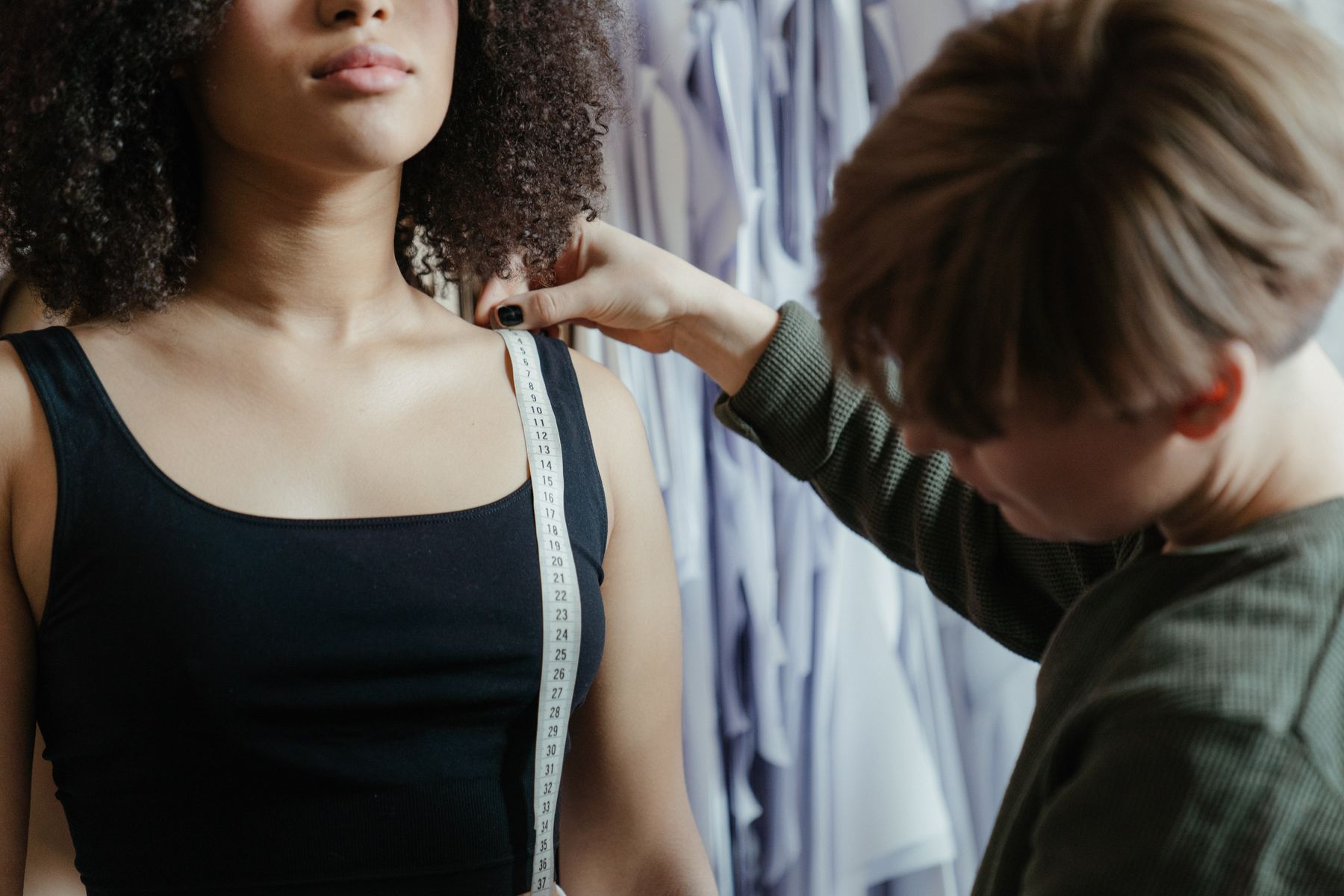
Choose the size from your full bust or chest measurement, then check finished measurements and intended ease. Tilly and the Buttons explains that finished garment measurements show the size after sewing and help you understand ease.
For a close tee, shoulder width and upper chest matter as much as bust. If the shoulder seam falls too far down the arm, the tee can look sloppy. If it sits too high, sleeves may pull and restrict movement.
Compare the pattern to a tee you already like. Lay the tee flat and measure chest width, shoulder width, body length, and sleeve length. Compare those numbers to the finished pattern measurements, not to the envelope size.
How Do You Sew a Neckline That Lies Flat?
A flat neckline comes from the right neckband length, even quartering, gentle handling, and good pressing. The band should be slightly smaller than the neckline, but not so short that it gathers the shirt body.
Sew a sample loop before touching the real tee. Cut a scrap curve or use leftover neckline fabric, then test the band length. If it ripples outward, the band may be too long. If it pulls into puckers, it may be too short.
Press the seam allowance toward the shirt body and topstitch with a stretch-friendly stitch if you like the look. Do not iron aggressively across the neckline, because heat and pressure can stretch jersey out of shape.
Shoulder seams need support too. Many ready-to-wear tees use clear elastic, twill tape, or a stabilized seam so the shoulder does not grow during wear. For a handmade tee, a narrow strip of knit interfacing or clear elastic can keep the neckline and shoulder from sagging.
What Stitch Should You Use for a T Shirt?
Use a stitch that stretches with the fabric. SewCanShe recommends choosing needle, thread, and stitch type for stretchy fabric before starting. A narrow zigzag, lightning stitch, stretch stitch, or serger seam can all work.
Use a ballpoint or stretch needle so the needle slips between knit loops instead of cutting them. If skipped stitches appear, change the needle first. It is the cheapest fix and often solves the problem immediately.
Hem with a twin needle, coverstitch, zigzag, or stretch blind hem. Stabilize the hem with washable tape if the fabric curls. Test stitch length on scraps because dense stitching can make lightweight jersey ripple.
Common T Shirt Pattern Mistakes to Avoid
The most common mistake is matching the pattern to the wrong stretch percentage. The second is pulling fabric through the machine. Let the feed dogs move the knit, and support the fabric so it does not hang off the table.
Another mistake is cutting off grain. Knit fabric can twist when the grainline is ignored, especially after washing. Align the pattern grainline with the knit wale or fold carefully before cutting.
Beginners also skip the recovery test. Stretch matters, but recovery matters just as much. If the fabric stretches out and stays wider, the tee may look good for the first hour and then grow at the neckline, elbows, and hem.
Use the first tee as a fit sample, then repeat it. Change sleeve length, neckline depth, or hem shape after the base pattern works. If you want an easier woven project before knits, compare the fit decisions in our shorts sewing pattern article.
- Do not skip prewashing. Knit fabric can shrink before the first wear.
- Do not use a universal dull needle. It can cause skipped stitches or holes.
- Do not hem immediately if the fabric stretched. Let it rest, press gently, then hem.
How Can One T Shirt Pattern Become Several Tees?
Once the base fit works, a tee pattern becomes a small wardrobe system. Keep the shoulder, armhole, and upper chest stable, then adjust neckline, sleeve length, body length, and hem shape. Those changes feel new without forcing you to refit the whole garment.
Make one version in stable cotton jersey, one in cotton spandex, and one in a softer drapey knit. Compare how each fabric changes width, length, and neckline behavior. That comparison teaches more than buying three unrelated patterns.
Label each pattern copy with the fabric it suits. A close tee for cotton spandex may not work in low-recovery jersey. A relaxed tee can usually handle more fabric variety, which is why relaxed patterns are better for beginners.
Frequently Asked Questions
Is a t shirt sewing pattern good for beginners?
Yes, if the pattern is relaxed and written for stable knit fabric. A simple tee teaches knit cutting, stretch stitches, neckbands, sleeves, and hems. Choose cotton jersey or interlock before trying slippery rayon jersey.
Do I need a serger to sew a t shirt?
No. A regular sewing machine can sew t-shirts with a stretch needle and a narrow zigzag, lightning stitch, or other stretch stitch. A serger is faster, but it is not required for a durable handmade tee.
Why is my t shirt neckline wavy?
A neckline gets wavy when the band is too long, the fabric is pulled while sewing, or the knit has poor recovery. Test the band on scraps, quarter the neckline evenly, and press gently instead of stretching with the iron.
What fabric is best for a first t shirt?
Stable cotton jersey, cotton spandex jersey, or interlock is usually best. These knits are easier to control than thin rayon jersey or modal. Match the stretch percentage to the pattern instructions before buying fabric.
Sources
- Semrush keyword export, Pattern Lab Co workspace, retrieved 2026-07-18.
- The Dreamstress, A tale of three Tees: how to pick fabrics for successful knit sewing, retrieved 2026-07-18.
- SewCanShe, Sewing Stretchy Fabrics – 3 Simple Steps for Success, retrieved 2026-07-18.
- Tilly and the Buttons, How to Select Your Sewing Pattern Size, retrieved 2026-07-18.
- Bethany Lynne Makes, Favorite Sewing Patterns For Knit Fabric, retrieved 2026-07-18.
