Sewing Patterns
A Line Skirt Sewing Pattern: Fit and Fabric Guide
Jul
An a line skirt sewing pattern is one of the best garment projects for learning fit because the shape is simple but not shapeless. In the local Semrush export, “a line skirt sewing pattern” shows 720 monthly searches with keyword difficulty 7, making it a strong low-competition tutorial and buyer keyword.
This guide walks through size choice, waist and hip ease, dart shaping, fabric selection, zipper or elastic decisions, and the small finishing steps that make an A-line skirt hang cleanly.
Key Takeaways
- Choose an A-line skirt by waist, hip, and finished garment measurements, not ready-to-wear size.
- Medium-weight cotton, linen, denim, twill, wool blend, and stable rayon work well for first skirts.
- Dart placement, waistband shape, and hip ease decide whether the skirt feels smooth or pulls.
- Let bias or drapey hems hang before trimming, because A-line skirts can drop unevenly.
What Makes an A Line Skirt Sewing Pattern Beginner Friendly?
A beginner-friendly A-line skirt pattern has a simple front and back, clear darts or elastic, a manageable closure, and finished garment measurements. The shape gives more walking room than a pencil skirt while still teaching real garment fit.
Look for a pattern with a stable waistband, optional pockets, and clear hem instructions. A side zipper or back zipper is a useful skill, but an elastic-back version can be easier if this is your first fitted waist project.
If you want to compare skirt and trouser fitting, our pants sewing pattern fit checks explain why hip ease and sitting comfort matter in every bottom-weight garment.
How Do You Choose the Right Skirt Size?
Choose the skirt size from waist and hip measurements, then confirm finished garment measurements. Tilly and the Buttons recommends measuring the body first and checking finished garment measurements because pattern sizing is not the same as ready-to-wear sizing.
If your waist and hip fall into different sizes, grade between sizes. The waist can be shaped with darts, elastic, or waistband changes, but the hip needs enough room for sitting and walking.
Compare the pattern to a skirt you already like. Measure flat waist, high hip, full hip, length, and hem sweep. That comparison shows whether the new pattern is a fitted A-line, a gentle flare, or a fuller skirt.
Why Do Darts Matter on an A Line Skirt?
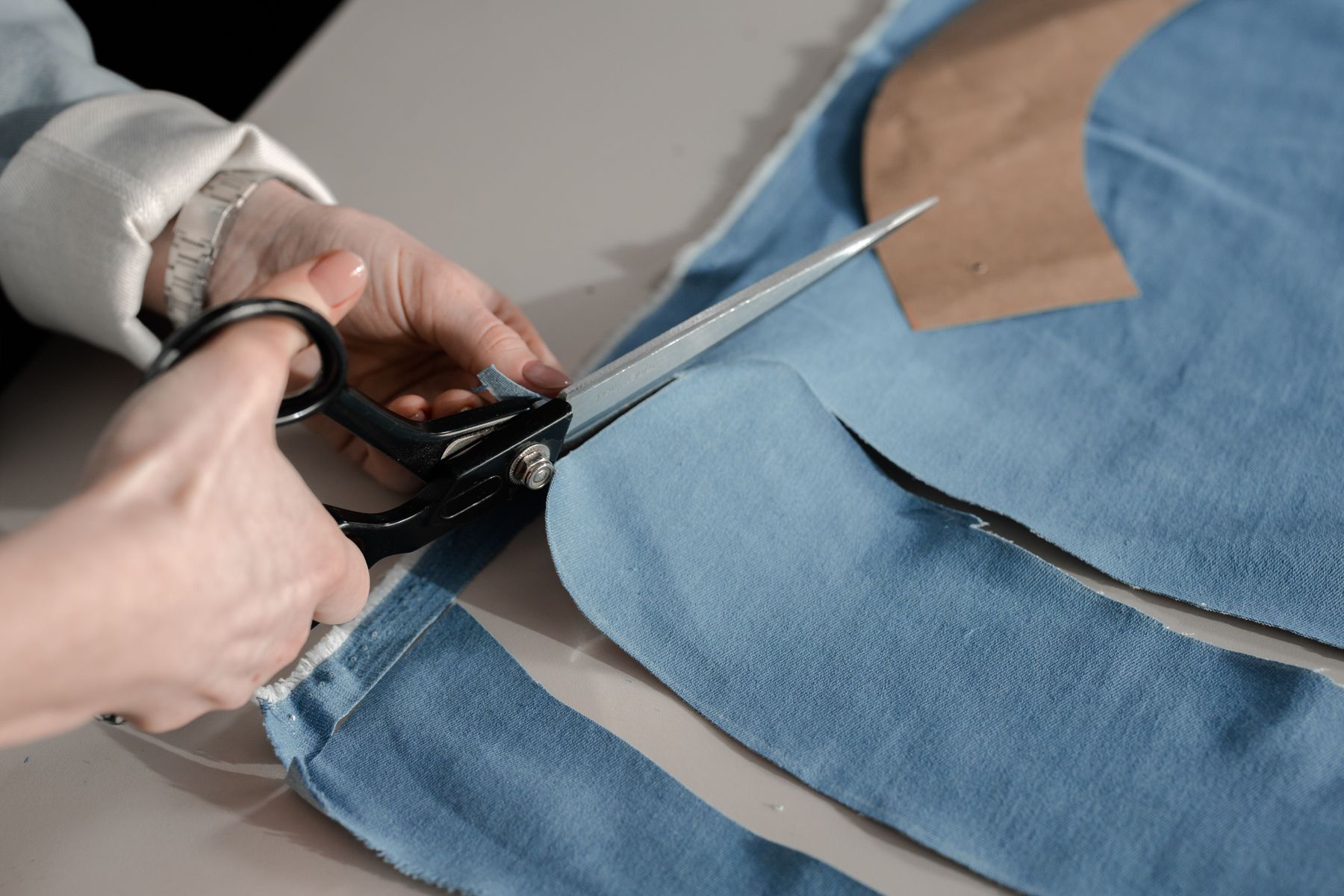
Darts matter because they remove fabric at the waist while keeping room over the hip. In The Folds explains that dart shaping helps the seam or waistline remain smooth after the dart is sewn.
Red-Handled Scissors recommends moving darts when needed for a flattering A-line fit. If darts point to the wrong place, the skirt can bubble near the waist or pull over the hip even when the measurements look correct.
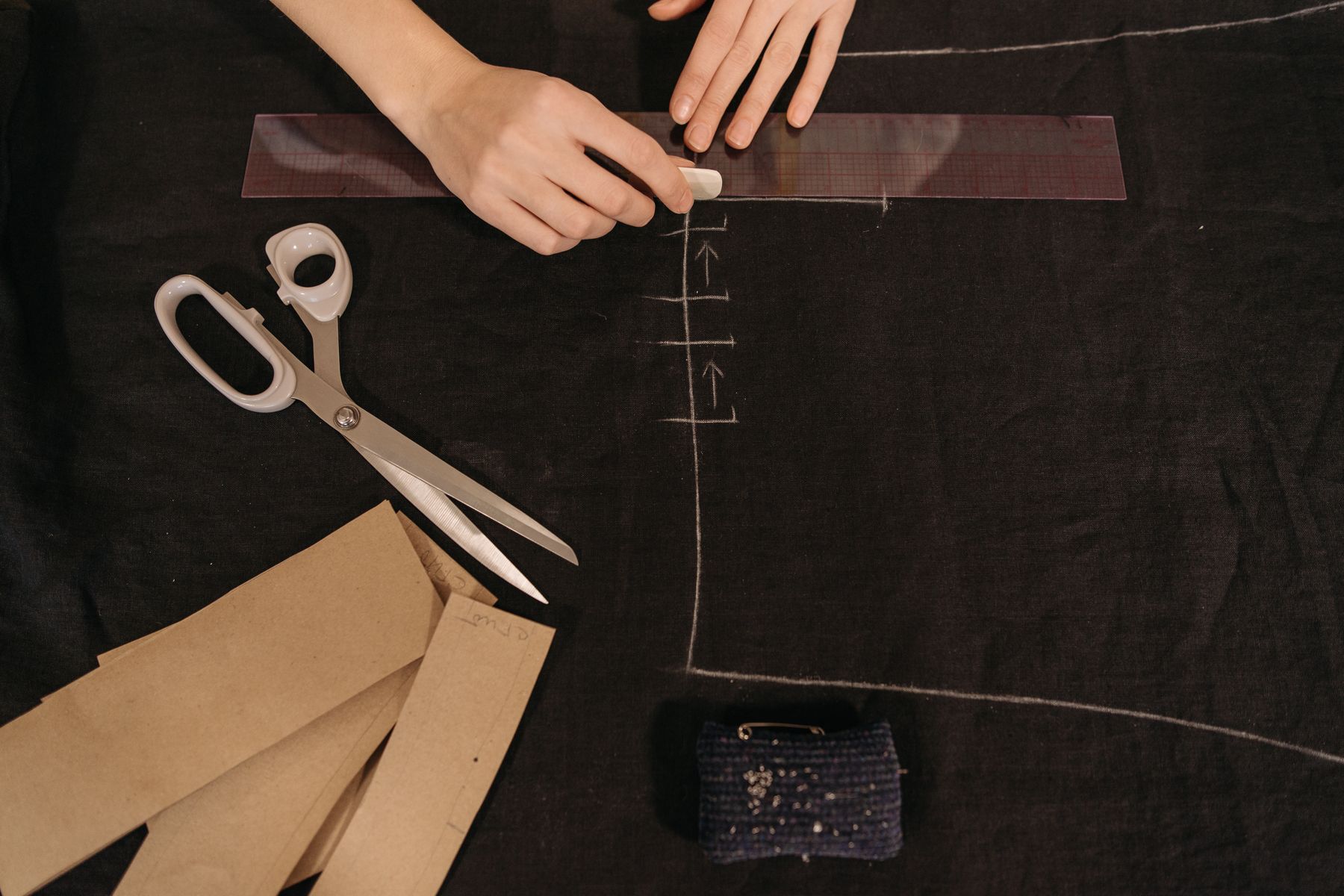
Mark darts carefully, sew from the wide end to the point, and press them toward the center. Do not backstitch at the dart point. Tie threads instead so the tip stays smooth and does not create a pucker.
Which Fabric Works Best for an A Line Skirt?
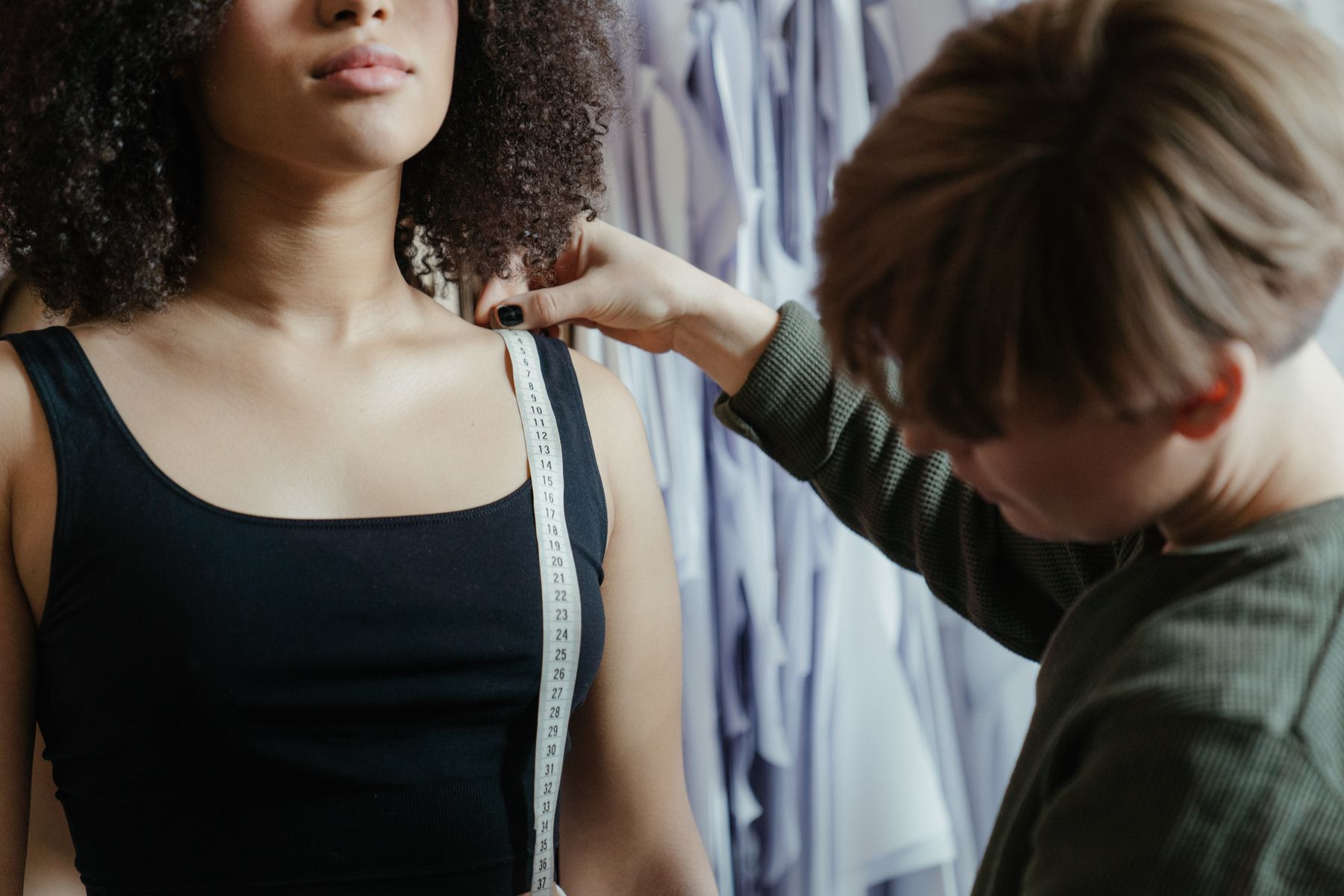
The best fabric depends on how much structure you want. Cotton twill, denim, corduroy, linen, wool blend, and canvas create a crisp A-line. Rayon twill, viscose linen, and crepe create a softer skirt with more movement.
Beginners should avoid slippery satin, sheer fabric, very loose weaves, and fabric that stretches while cutting. Stable fabric makes darts, waistbands, zipper seams, and hems easier to control.
Hold the fabric from the waistband edge before buying. If it folds softly, expect a more fluid skirt. If it holds shape, expect a clearer A-line silhouette. Both can work, but the pattern photo should match the fabric behavior you choose.
How Do You Fit the Waist, Hip, and Seat?
Fit the waist and hip together. A skirt can fit the waist and still ride up if the hip or seat needs room. Tilly and the Buttons’ full bum adjustment tutorial starts with a quick toile, measuring, and a traced back skirt piece before altering the pattern.
If the back hem lifts or the fabric pulls across the seat, add length and width to the back piece rather than lowering the whole skirt. If the waist gaps, reshape the waistband or deepen darts in small amounts.
Try the skirt on over the undergarments and tops you expect to wear. Sit down, walk, and check the side seam. If the side seam swings backward or forward, the front and back balance may need adjustment.
Common A Line Skirt Pattern Mistakes to Avoid
The most common mistake is ignoring the hip level. A-line skirts flare from a fitted upper area, so the hip needs enough space before the skirt opens toward the hem. Too little hip ease causes diagonal pulls and riding up.
Another mistake is hemming too early. A-line skirts often include some bias at the side seam, and drapey fabric can drop after hanging. Let the skirt rest overnight, then mark the hem from the floor while wearing it.
Do not add pockets without checking fabric weight. Pockets are useful, but heavy pocket bags can pull on lightweight skirts. For another beginner-friendly garment shape, compare fabric choices in our t shirt sewing pattern guide.
- Do not skip staystitching. Curved waistlines can stretch while handled.
- Do not force a stiff fabric into a drapey pattern. The hem may stand out.
- Do not sew the zipper before fitting. Baste first and test the waist.
What Finishing Details Improve an A Line Skirt?
The cleanest A-line skirts usually come from careful waist stabilization, an accurate closure, and an even hem. Staystitch a curved waist as soon as possible, especially in linen, rayon, or loosely woven fabric. A stretched waistline can make the finished waistband look too large.
Choose the closure that fits your skill and fabric. An invisible zipper gives a neat side or back seam, but it needs precise pressing and a stable seam allowance. Buttons can look charming on denim or linen, while elastic-back designs give more comfort for everyday wear.
Finish seam allowances before they fray into the zipper or hem. A serged edge, zigzag stitch, bound seam, or French seam can all work depending on fabric weight. The inside does not need couture treatment, but it should survive washing and regular wear.
Topstitching can make the skirt look casual and deliberate. Use it on denim, twill, corduroy, and linen when you want structure. Skip visible topstitching on dressier wool blend or crepe unless you have tested the thread color and stitch length first.
How Can One A Line Skirt Pattern Become Several Skirts?
A good A-line skirt pattern is easy to repeat because the basic fit stays stable. Once the waist, hip, and darts work, change length, pocket style, button front, waistband width, or hem finish one version at a time.
Use fabric to change the season. Linen feels casual for warm weather. Denim turns the shape into an everyday staple. Wool blend makes it work with tights. The same pattern can cover several outfits when the fit is already solved.
Check the skirt with real tops before finalizing the waistband. A tucked shirt, cropped jacket, and loose tee each need a slightly different waist finish, pocket placement, and hem proportion.
Save the altered pattern with a fabric swatch and notes. Record size blend, dart changes, hem length, zipper placement, needle, and seam finish. Those details make the next skirt faster and more consistent.
Frequently Asked Questions
Is an A line skirt sewing pattern good for beginners?
Yes. An A-line skirt has a simple shape and teaches useful garment skills: waist fitting, darts, side seams, closures, hems, and pressing. Choose stable fabric and a clear waistband or elastic-back pattern for the first version.
What fabric is best for an A line skirt?
Cotton twill, denim, linen, corduroy, wool blend, and stable rayon are good choices. Crisp fabric creates a stronger A-line shape, while drapey fabric creates softer movement. Match the fabric to the pattern photo.
How do I stop an A line skirt from riding up?
Check hip and seat ease first. If the skirt is tight across the hip or back seat, it will climb as you walk or sit. A toile helps you add width or back length before cutting final fabric.
Should an A line skirt have darts?
Many fitted-waist A-line skirts use darts because darts shape fabric from waist to hip. Elastic-waist designs may skip darts. If the skirt has darts, mark and sew them accurately so the waistline stays smooth.
Sources
- Semrush keyword export, Pattern Lab Co workspace, retrieved 2026-07-19.
- Red-Handled Scissors, A-Line Skirts: 5 Tips for a Flattering Fit, retrieved 2026-07-19.
- In the Folds, A tutorial: How to add dart shaping, retrieved 2026-07-19.
- Tilly and the Buttons, How to do a full bum adjustment on a skirt, retrieved 2026-07-19.
- Tilly and the Buttons, How to Select Your Sewing Pattern Size, retrieved 2026-07-19.
