
Sewing Patterns
Wedding Dress Sewing Patterns: Fit and Fabric Guide
Jul
Choosing wedding dress sewing patterns is exciting, but the pattern has to match your body, fabric, timeline, and sewing confidence. In the local Semrush export, “wedding dress sewing patterns” shows 1,900 monthly searches with keyword difficulty 6, giving Pattern Lab Co a strong low-competition buyer and tutorial topic.
This guide helps you compare silhouettes, read finished measurements, plan a muslin, choose bridal fabrics, and avoid the decisions that turn a dream gown into an exhausting project.
Key Takeaways
- Choose the wedding dress silhouette first, then check bodice fit, support, fabric weight, and closure complexity.
- Make at least one muslin for fitted bodices, strapless shapes, sleeves, trains, and bias-cut skirts.
- Stable bridal satin, crepe, mikado, taffeta, lace, and organza each need different handling and seam finishes.
- A simpler pattern in beautiful fabric usually looks better than an advanced pattern rushed under deadline.
What Makes Wedding Dress Sewing Patterns Beginner Friendly?
A beginner-friendly bridal pattern has a stable bodice, a clear closure, limited boning, and a skirt shape that does not depend on perfect drape. Mood Fabrics maintains a large free sewing pattern library, which is useful for studying how different dress shapes are constructed before buying final bridal fabric.
Avoid choosing only from the front photo. Study the back closure, sleeve cap, neckline, lining, train, and waist seam. Those areas control comfort and sewing difficulty. A plain A-line gown can still feel special when the fabric is beautiful and the fit is clean.
If you are still learning pattern sizing, review our how to read a sewing pattern guide before choosing a bridal size. Wedding dress patterns are usually less forgiving than everyday garments.
How Do You Choose the Right Bridal Pattern Size?
Choose the starting size from body measurements and finished garment measurements, not ready-to-wear size. Tilly and the Buttons explains that pattern sizing differs from store sizing, so the envelope number is only a starting point.
For a fitted gown, high bust, full bust, waist, hip, and back waist length all matter. If the bodice fits the bust but pulls at the waist, the dress will not sit correctly. If the waist seam sits too high or low, the whole gown can look off balance.
Trace the pattern instead of cutting the original. Bridal alterations often need several passes, and traced copies let you test a full bust adjustment, length change, or skirt width change without losing the starting pattern.
Which Wedding Dress Silhouette Should You Sew First?
The easiest first bridal silhouettes are usually A-line, sheath, column, and simple fit-and-flare designs. They give structure without requiring the internal engineering of a corseted ball gown. A strapless gown, deep V neckline, or fully boned bodice needs more testing.
Choose the shape by the support it needs. Wide straps, a higher back, or sleeves can make fitting easier because the dress has more places to hold the body. A low back or tiny strap looks simple, but it gives the pattern fewer support points.
For skirt balance, compare the waist and hip decisions in our A-line skirt sewing pattern guide. The same waist, hip, and hem logic applies to many bridal skirts.
What Fabric Works Best for a Handmade Wedding Dress?
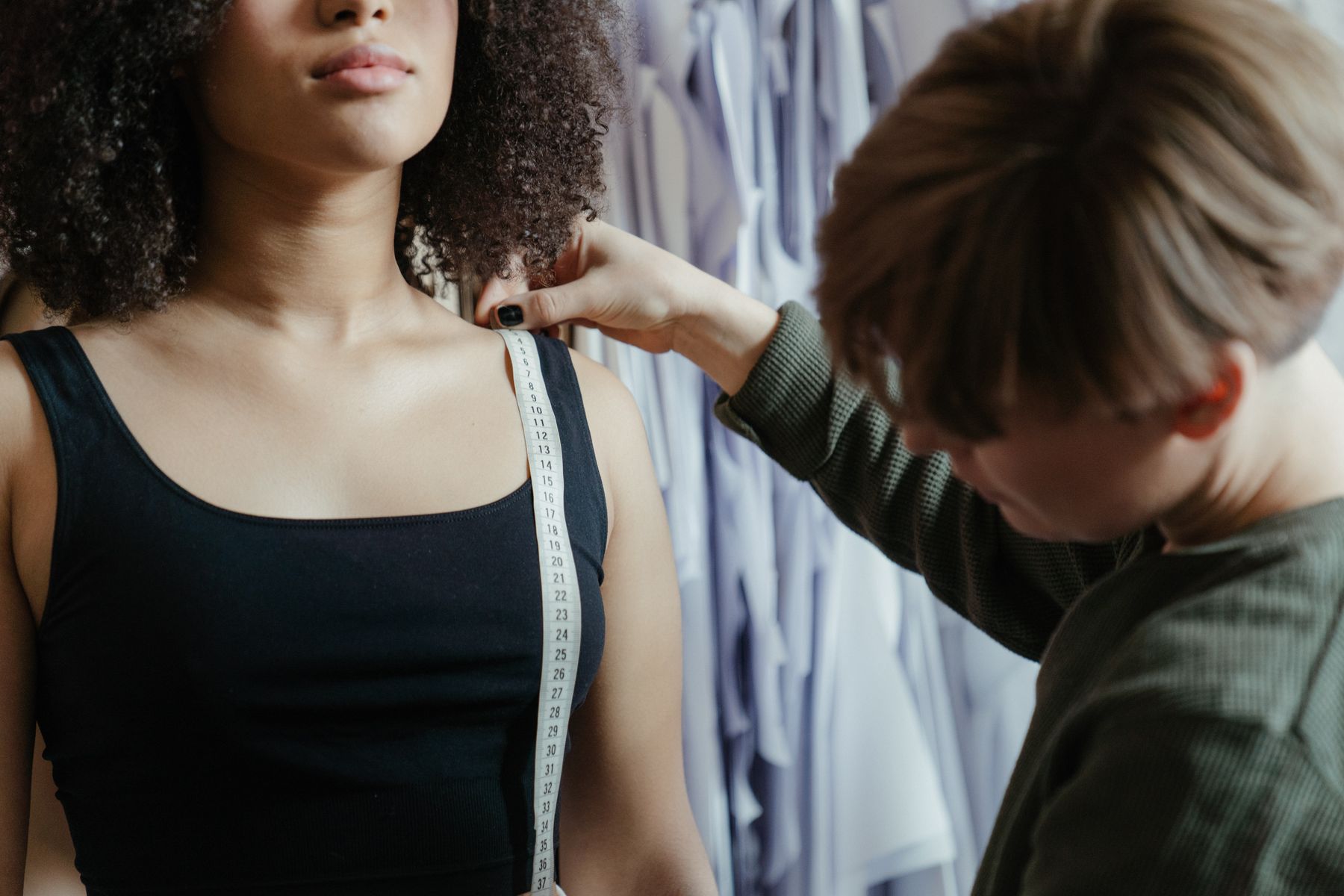
Fabric should match the pattern structure. Mikado, taffeta, duchess satin, and organza hold shape for structured gowns. Crepe, silk charmeuse, rayon satin, and bias-cut fabrics create fluid movement but reveal every fitting and stitching mistake.
Buy samples before yardage. Look at opacity, crease recovery, shine, weight, and how the fabric behaves over underlayers. A fabric that looks perfect online may be too sheer, too heavy, or too slippery for the pattern you chose.
Do not skip lining and interlining decisions. A crepe gown may need lining for opacity. A lace gown may need underlining so the lace and base fabric behave as one layer. A structured bodice may need interfacing, boning, waist stay, or cups.
Why Does a Bridal Muslin Matter So Much?
A muslin matters because bridal fabric is expensive and emotional. Love Notions explains that ease is the difference between body and finished garment measurements, and a muslin lets you test that ease before committing to final fabric.
Use fabric with similar weight and firmness for the muslin. A cheap cotton sheet can test basic length, but it will not show how satin, crepe, or lace behaves. For a fitted bodice, mark bust point, waist, hip, center front, and center back clearly.
Wear the right undergarments during every fitting. A different bra or shapewear piece can change bust height, waist position, and neckline coverage. Photograph the muslin from front, side, and back, then change one issue at a time.
Common Wedding Dress Pattern Mistakes to Avoid
The most common mistake is choosing a pattern beyond the available time. A gown with lace placement, boning, lining, sleeves, train, button loops, and hand hemming can be manageable, but not if every step is new and the deadline is close.
Another mistake is ignoring seam allowance behavior. Bridal fabrics can fray, shine under the iron, or stretch on the bias. Test needles, thread, seam finish, pressing cloth, and heat level before sewing the real gown.
Do not assume the zipper or button back will solve fit. The closure only holds the dress closed. The bodice still needs enough bust, waist, and back room to sit smoothly without pulling, gaping, or twisting.
- Do not cut final lace first. Confirm motif placement and seam matching.
- Do not hem before shoes are chosen. Heel height changes the final length.
- Do not press without a test. Some bridal fabrics mark or shine quickly.
How Do You Plan the Sewing Timeline?
Plan backward from the event date and leave more margin than you think. Pattern choice, fabric ordering, muslin fitting, alterations, cutting, construction, closure testing, final hem, and pressing all need separate time blocks.
Give the muslin its own deadline. If the fit is not solved, do not cut the final fabric. The fastest way to lose time is to carry a known fit problem into satin or lace and then try to repair it later.
Set a simple stop rule. If the muslin needs major structural changes after the second round, consider a simpler pattern, a less demanding fabric, or professional help for the bodice. That decision protects the final gown.
How Can a Wedding Dress Pattern Become Wearable Again?
A good bridal pattern can become eveningwear, bridesmaid dresses, rehearsal dinner outfits, or formal separates. Once the bodice and skirt fit, change length, sleeve style, fabric, neckline depth, or overlay details for future versions.
Save the altered pattern with notes. Record size blend, bodice changes, skirt length, closure choice, fabric, lining, needle, thread, seam finish, and pressing settings. Those notes turn the bridal project into useful pattern knowledge.
For another fabric-sensitive garment project, compare fabric behavior in our palazzo trousers sewing pattern guide. Drape decisions matter in both wide-leg trousers and bridal skirts.
What Should You Check Before Cutting Bridal Fabric?
Before cutting bridal fabric, confirm the exact pattern view, size blend, seam allowance, grainline, lining pieces, interfacing pieces, and closure method. Put every altered pattern piece on the table and check that notches, darts, button marks, and length changes still match.
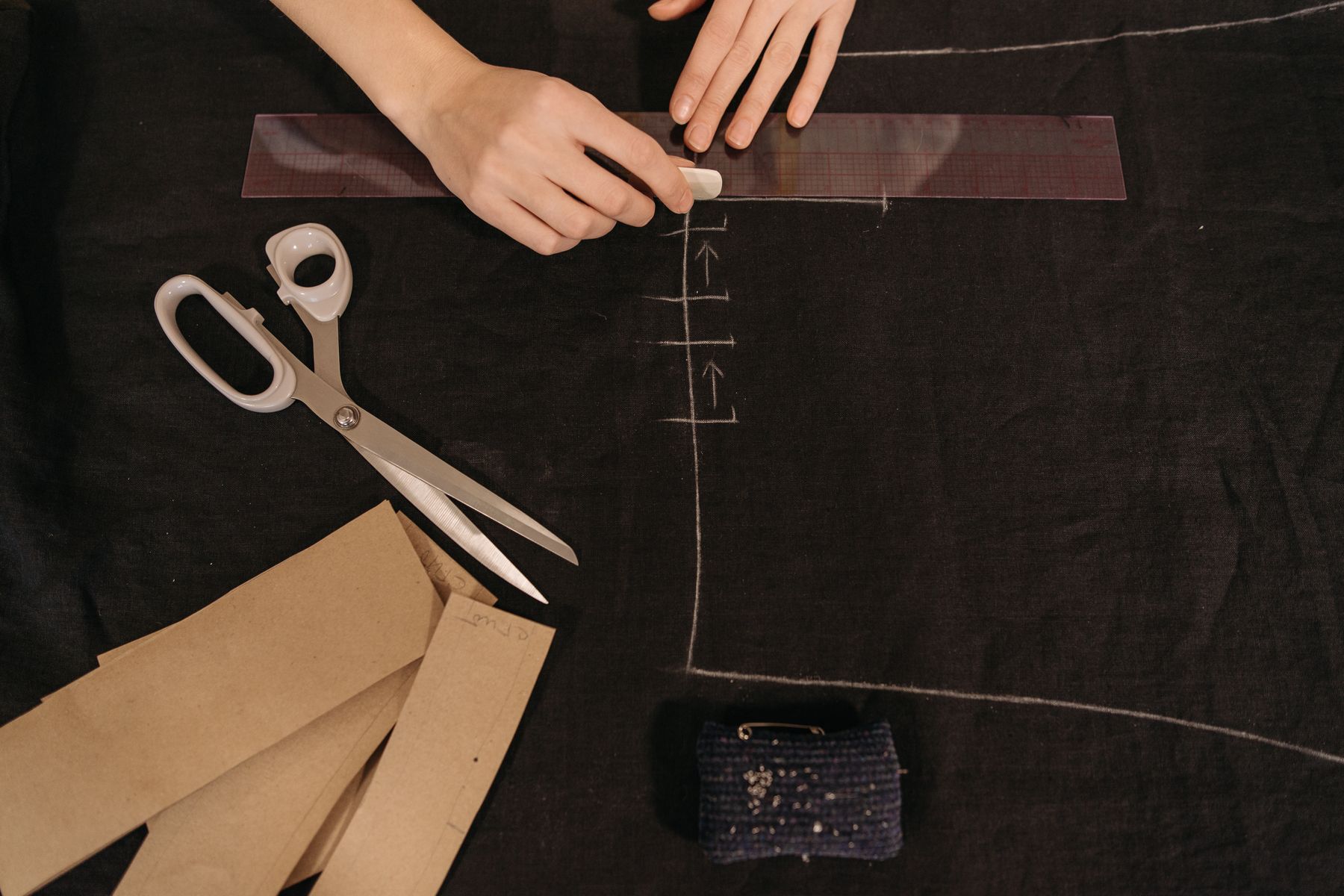
Prepare fabric deliberately. Pre-treat according to fiber content, press with a cloth, and test marking tools on scraps. White and ivory fabrics can stain, shadow, or show holes, so chalk, pins, clips, and temporary pens should be tested before touching visible areas.
Make a final supply list before the first cut. Include thread, needles, lining, zipper, buttons, hooks, boning, cups, interfacing, hem tape, and pressing tools. Stopping mid-project for missing notions can interrupt the careful pace that bridal sewing needs.
Frequently Asked Questions
Can a beginner sew a wedding dress?
Yes, if the pattern is simple, the fabric is stable, and the timeline includes muslins. A first bridal project should avoid heavy boning, slippery bias cuts, and complex lace placement unless you have help.
How many muslins should I make for a wedding dress?
Make at least one muslin for any fitted wedding dress. Make two or more if the bodice is strapless, boned, sleeved, low-backed, or heavily altered. The final fabric should not be the fit test.
What fabric is easiest for a first wedding dress?
Stable bridal satin, cotton sateen for a casual dress, mikado, taffeta, or medium crepe can be easier than silk charmeuse or very slippery satin. Match the fabric weight to the pattern recommendations.
Should I line a handmade wedding dress?
Most wedding dresses look and feel better with lining or underlining because it improves opacity, comfort, and seam appearance. The exact layer depends on the outer fabric, bodice structure, and skirt shape.
Sources
- Semrush keyword export, Pattern Lab Co workspace, retrieved 2026-07-20.
- Tilly and the Buttons, How to Select Your Sewing Pattern Size, retrieved 2026-07-20.
- Love Notions, What sewists need to know about Ease, retrieved 2026-07-20.
- Mood Fabrics, Free Sewing Patterns, retrieved 2026-07-20.
