
Sewing Patterns
Midi Skirt Sewing Pattern: Fit, Fabric, and Hem Guide
Jul
A midi skirt sewing pattern is useful because it can become casual, office-ready, or special-occasion clothing with only small changes in fabric and waistband style. In the local Semrush export, “midi skirt sewing pattern” shows 590 monthly searches with keyword difficulty 6, which keeps it inside the low-competition range.
This guide explains how to choose a midi skirt pattern, test the length on your body, compare silhouettes, choose fabric, plan pockets and lining, sew a clean waistband, and finish a hem that hangs evenly instead of dipping or twisting.
Key Takeaways
- Choose midi length on your body, not from the envelope photo, because calf position changes the proportions.
- A-line, gathered, pleated, bias, circle, and straight midi skirts need different fabric and waistband plans.
- Check waist, hip, sitting ease, pocket placement, and zipper or elastic comfort before cutting final fabric.
- Hang drapey skirts before hemming so bias areas and heavy seams can settle.
What Makes a Midi Skirt Sewing Pattern Work?
A good midi skirt pattern balances length, waist support, hip ease, fabric drape, and hem weight. Mood Sewciety’s Roslyn Ruffled Midi Skirt notes that fabric choice, sizing, technical drawings, and a test garment all affect the final result.
Midi length is not one fixed measurement. It usually sits below the knee and above the ankle, but the most flattering point depends on height, calf shape, shoes, and skirt volume. That is why the hem line deserves a test before final cutting.
Start with the related shape logic in our A line skirt sewing pattern guide if you want a stable first version. Many midi skirts are simply familiar skirt shapes with a more deliberate length.
How Do You Choose the Right Midi Length?
Choose midi length by pinning a measuring tape or muslin strip on your body while wearing the shoes you expect to use. A two-inch change can make the same pattern feel elegant, frumpy, or practical.
Mark three options: just below the knee, mid-calf, and lower calf. Walk and sit at each length. If the skirt narrows at the hem, test stair movement too, because a narrow midi hem can restrict stride more than the same pattern at knee length.
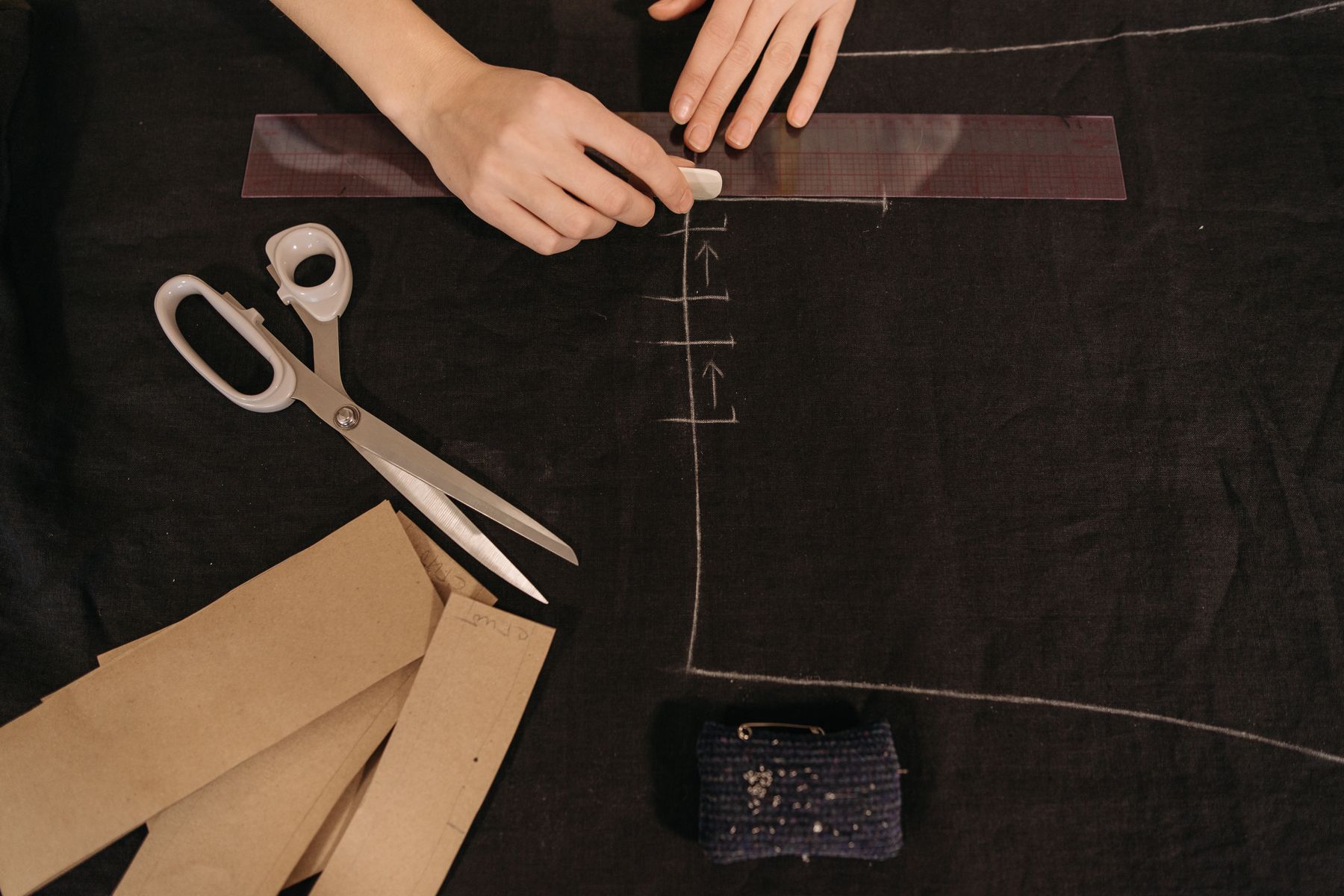
Do not forget seam allowance and hem depth. A deep hem adds weight and can improve the hang of a straight skirt, but it can distort a curved or circular hem. Mark the finished hem line before deciding how much fabric to buy.
Which Midi Skirt Shape Should You Sew First?
Choose the silhouette that matches your fabric and skill level. A-line midi skirts are stable and beginner friendly. Gathered skirts are forgiving at the hip. Pleated skirts need accurate marking. Bias skirts need careful handling and hanging time.
Mood Sewciety’s skirt pattern library includes casual, formal, and event-ready skirt options, which shows how much silhouette changes the project. The same midi length behaves differently in tulle, cotton poplin, linen, satin, ponte, denim, or wool.
If you want an adjustable version, compare our wrap skirt sewing pattern guide. Wrap midi skirts can be forgiving, but overlap depth and tie placement must be secure.
For a first midi skirt, pick one main fit challenge. Do not combine bias cut, slippery satin, lining, invisible zipper, pockets, and a curved hem in the same first project unless you already know those techniques.
Which Fabric Gives the Best Midi Skirt Drape?
Match fabric weight to skirt volume. Cotton lawn, linen, poplin, chambray, rayon challis, viscose twill, crepe, ponte, wool suiting, denim, and tulle can all work, but each creates a different silhouette.
The Roslyn Ruffled Midi Skirt source recommends featherweight to lightweight fashion fabrics for that ruffled design. That advice does not apply to every midi skirt, but it shows the larger rule: fabric must support the specific shape drawn by the pattern.
Hold the fabric from one corner and watch how it falls. If it drops in narrow folds, it suits fluid midi skirts. If it stands away from the body, it works better for crisp A-line, pleated, or structured designs.
Prewash or steam fabric before cutting. Midi skirts use more vertical length than mini skirts, so shrinkage, twisting grain, and uneven selvages show quickly at the hem.
How Should the Waistband and Closure Fit?
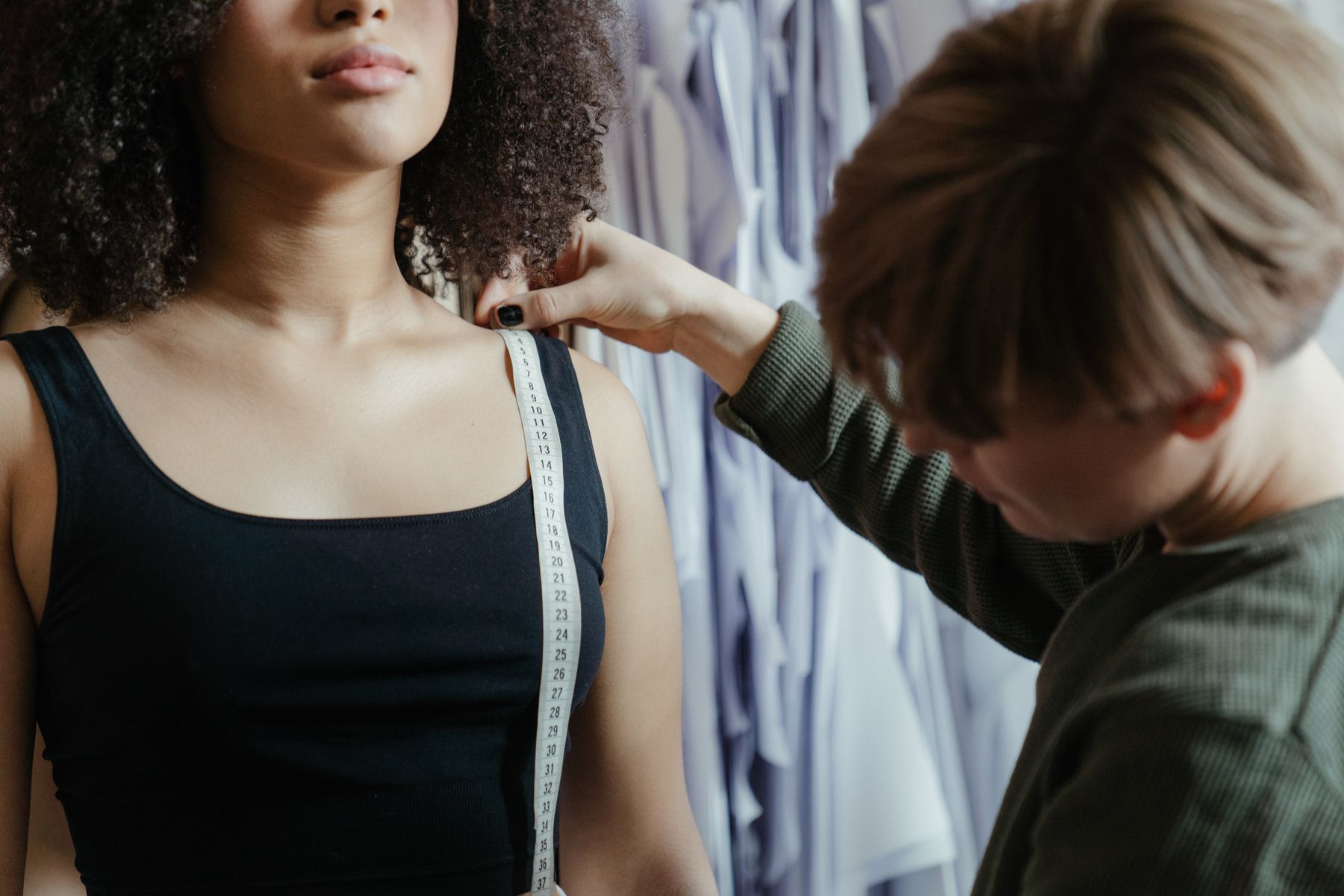
The waistband should hold the skirt comfortably without pulling the side seams forward or making the zipper ripple. Choose the starting size from waist and hip measurements, then compare finished garment measurements before cutting.
Elastic waists are forgiving and comfortable, but they add gathering at the waist. Flat waistbands look polished, but they need more exact fitting. Side zippers can keep the front clean, while back zippers are often easier to install symmetrically.
Test sitting ease before finalizing the waistband. A skirt can close perfectly while standing and still feel tight when seated. Pin a muslin waistband, sit for a few minutes, and check whether the skirt rides up or digs in.
For zipper control, use our zipper foot for sewing guide. A clean zipper keeps the waistband smooth and prevents the skirt opening from stretching.
Should a Midi Skirt Have Pockets or Lining?
Add pockets when the side seam and fabric can support them. Lightweight or bias-cut skirts may drag if the pocket bag is too heavy. A pocket should hold small items without pulling the side seam out of line.
Line a midi skirt when the fabric is sheer, scratchy, clingy, or prone to wrinkling against tights. Lining also hides seam allowances, but it adds another hem and can change the way the skirt moves.
Use a lighter lining than the outer fabric and check static before sewing. A beautiful outer fabric can cling badly over the wrong lining. Try the layers together over the shoes and tights you expect to wear.
If the pattern does not include pockets, trace the side seam before adding them. Place the pocket opening below the waistband but high enough for your hand. Keep the pocket bag away from the hem sweep.
Common Midi Skirt Pattern Mistakes to Avoid
The biggest mistake is hemming too early. Drapey, bias, circular, and heavy skirts can settle after hanging. Marking the hem immediately after sewing can leave one side longer after the fabric relaxes.
Another mistake is choosing length from a model photo. Your height, calf line, and shoe choice change the proportion. Test the finished length in front of a mirror before cutting the final hem allowance.
Do not ignore walking ease. Straight midi skirts may need a vent, slit, pleat, or extra hem width. Walk up stairs in a muslin before assuming the pattern has enough movement for daily wear.
Do not add pockets without stabilizing the opening. Pocket edges stretch from hand pressure. Staystitch, interface, or reinforce the opening so the side seam stays clean.
- Do not skip grain checks. A twisted grain line shows at midi length.
- Do not overpress delicate fabric. Test heat and steam on scraps.
- Do not guess hem depth. Curved hems and straight hems need different finishes.
How Can One Midi Pattern Build a Wardrobe Capsule?
One reliable midi skirt pattern can become a wardrobe capsule when the waist and length are proven. Repeat it in linen for warm weather, ponte for comfort, wool suiting for work, denim for casual wear, or crepe for dressier outfits.
Change one design feature at a time. Try a front slit, patch pockets, contrast topstitching, belt loops, lining, or a different closure across separate versions. The tested pattern stays familiar while the finished skirts feel different.
If you prefer trouser-based outfits, compare the drape planning in our palazzo trousers sewing pattern guide. The fabric testing habits overlap with fluid midi skirts.
Save notes on finished length, hem depth, waistband adjustment, zipper length, fabric width, pocket placement, and lining choice. Those details make the second skirt faster and more accurate than the first.
Frequently Asked Questions
Is a midi skirt sewing pattern beginner friendly?
Yes, if you choose a simple A-line, gathered, or elastic-waist pattern in stable fabric. Avoid slippery satin, full lining, bias cutting, and complex pleats for the first version unless those skills are already comfortable.
How much fabric do I need for a midi skirt?
Fabric yardage depends on size, length, width, pockets, lining, and skirt volume. Check the pattern envelope, then add extra fabric if you are tall, matching prints, cutting on the bias, or testing a deeper hem.
What is the best fabric for a midi skirt?
Choose cotton, linen, rayon challis, viscose twill, crepe, ponte, denim, wool suiting, or tulle based on silhouette. Soft fabrics suit fluid skirts, while crisp fabrics suit A-line, pleated, and structured midi designs.
How do I get an even midi skirt hem?
Let the skirt hang before hemming if the fabric is drapey, bias cut, circular, or heavy. Mark the hem while wearing the right shoes, then measure from the floor instead of only from the waistband.
Sources
- Semrush keyword export, Pattern Lab Co workspace, retrieved 2026-07-28.
- Mood Sewciety, Roslyn Ruffled Midi Skirt Free Sewing Pattern, retrieved 2026-07-28.
- Mood Sewciety, Skirt Sewing Patterns, retrieved 2026-07-28.
- It’s Always Autumn, How to Make a Skirt: Free Skirt Patterns, retrieved 2026-07-28.
- WeAllSew, How to Sew a 1-Hour A-line Skirt, retrieved 2026-07-28.
