
Sewing Patterns
Trench Coat Sewing Pattern: Fit and Fabric Guide
Jul
A trench coat sewing pattern is a rewarding outerwear project because it teaches fit, structure, topstitching, and fabric control in one garment. In the local Semrush export, “trench coat sewing pattern” shows 590 monthly searches with keyword difficulty 5, which makes it a useful low-competition topic for confident garment sewists.
This guide explains how to choose a trench coat pattern, match the fabric to the design, plan interfacing and lining, test the shoulder fit, and avoid the construction choices that make coat sewing feel harder than it needs to be.
Key Takeaways
- Choose a trench coat by shoulder width, sleeve mobility, coat length, closure style, and finished garment ease.
- Cotton twill, gabardine, trench coating, poplin, and lighter wool blends need different interfacing plans.
- A half muslin for shoulders, sleeve pitch, collar height, and belt position can save days of rework.
- Treat the collar, facings, pocket flaps, belt, and sleeve tabs as small precision projects inside the larger coat.
What Makes a Trench Coat Sewing Pattern Work?
A trench coat pattern works when the shoulders carry the garment, the sleeve lets the arm move, and the front overlaps cleanly without dragging. The Shapes of Fabric notes that trench construction depends on many separate pieces, including collar, belt, straps, pocket flaps, and facings.
That piece count is not a reason to avoid the project. It is a reason to choose a pattern with clear instructions, full pattern markings, and a silhouette that matches your current sewing patience. A minimal trench is usually a better first coat than a replica military style.
If this is your first structured layer, compare the preparation steps in our jacket sewing pattern guide. The same shoulder and sleeve checks matter even more in a longer coat.
How Do You Choose the Right Trench Coat Size?
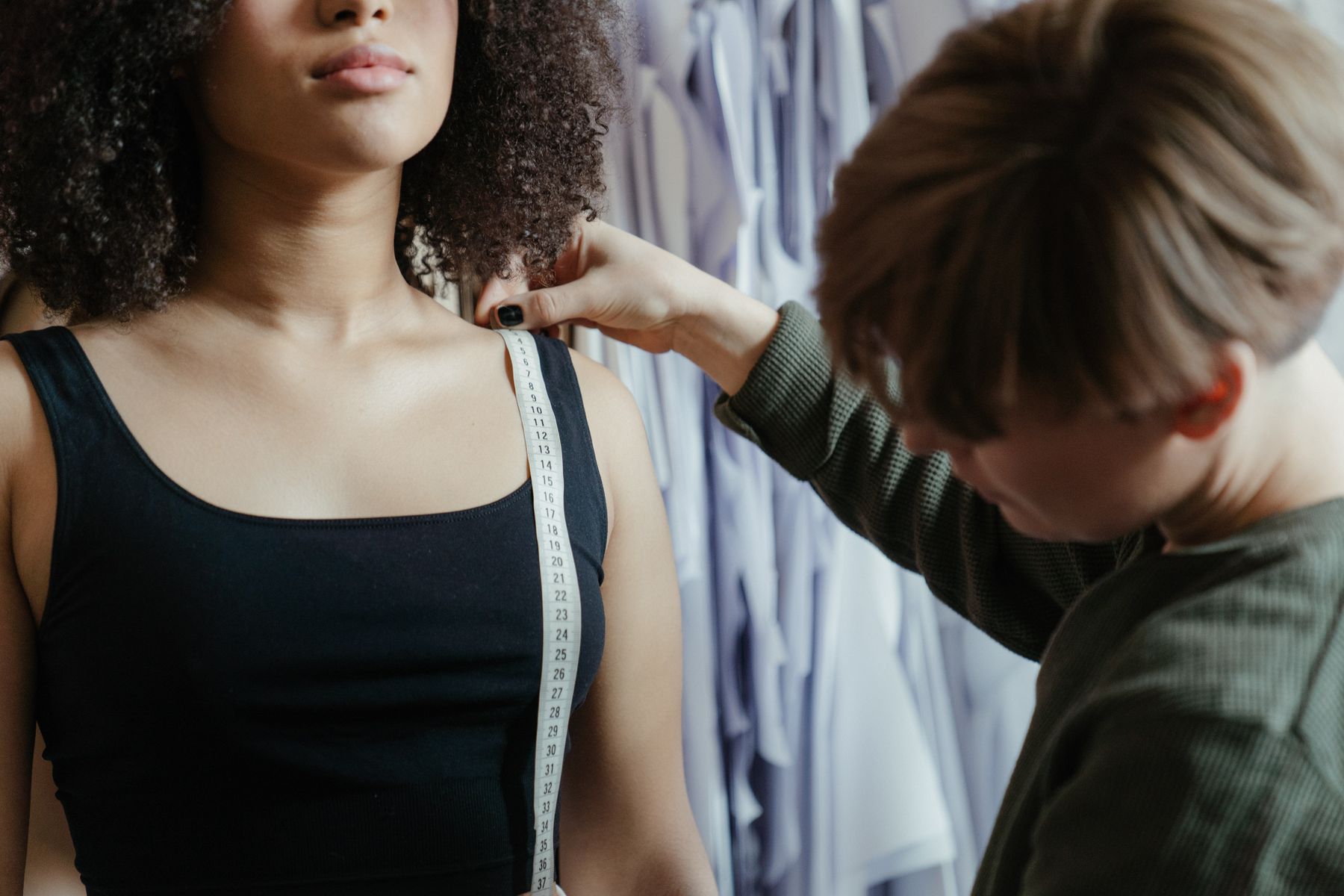
Choose the starting size from high bust, full bust, shoulder width, hip, and the finished garment measurements. Tilly and the Buttons recommends measuring the body rather than using ready-to-wear size, because sewing pattern sizing follows its own chart.
Outerwear also needs wearing ease. Measure over the clothes you expect to wear under the coat. If the trench will cover sweaters, test that layer during fitting. A coat that fits over a thin shirt may feel tight once the weather changes.
Blend sizes gently if your shoulder and hip measurements land in different columns. Trench side seams are long enough to grade between sizes, but avoid sudden changes at the waist because a belt can highlight uneven shaping.
Check finished sleeve length before cutting. Trench sleeves often include tabs, buckles, or a turned hem, so a small length error can become obvious after topstitching and hardware are already installed.
Which Fabric Is Best for a Trench Coat Sewing Pattern?
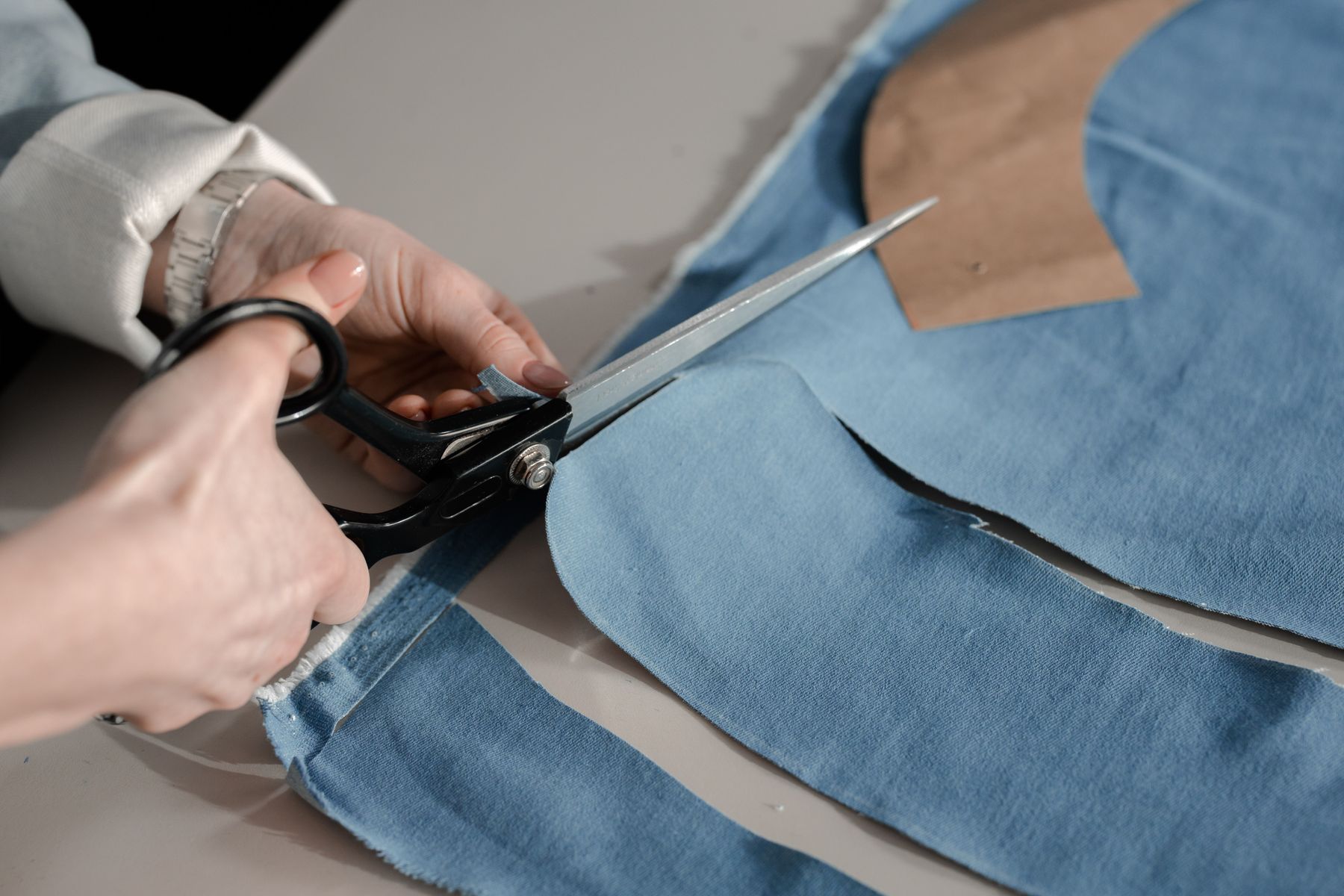
The best trench fabric has enough body to hold the collar, front edge, and belt, but enough drape to move with the body. Mood Sewciety recommends trench fabrics and linings based on the style, weather use, and desired structure.
Use cotton gabardine, cotton twill, trench coating, sateen, poplin, microfiber, or medium linen blends for classic shapes. Use wool blends for cooler weather. Avoid very thick fabric for a first trench because facings, epaulettes, belt loops, and flaps create layered seam bulk.
Prewash or steam according to the fiber before cutting. Coats take time, and shrinkage after sewing is especially frustrating when the hem, lining, and button placement have already been balanced.
For fabric behavior basics, the drape decisions in our A-line dress sewing pattern guide are a useful warm-up before choosing coating.
Where Should You Use Interfacing and Lining?
Use interfacing where the coat needs support: collar, lapels, facings, button bands, pocket flaps, belt, tabs, and sometimes hems. The Shapes of Fabric specifically calls out collar, belt, straps, pocket flap, and facing areas for trench interfacing.
Closet Core Patterns explains that weft fusible can add fluid structure to coating fabrics, while sew-in interfacing may suit fabrics that should not be pressed heavily. Test the exact fabric, interfacing, heat, steam, and pressing cloth on scraps first.
A lining is not just decorative. It helps the coat slide over clothes, protects seam allowances, and makes a handmade coat easier to wear often. Choose a lining with enough strength for arm movement, especially at the upper back.
Do not interface everything by default. Too much support can make a trench feel rigid. The right plan usually combines full interfacing at stress points with lighter support at long front and hem edges.
How Should You Test Shoulder Fit and Sleeve Movement?
Test shoulder fit with a quick upper-body muslin before cutting final fabric. The coat should sit at the shoulder point, close comfortably at the front, and let you reach forward without pulling hard across the back.
Baste the shoulder seams, side seams, sleeve, collar stand if present, and front overlap. Then wear a real underlayer. Raise your arms, cross them, sit, and button the coat. These movement checks matter more than a still mirror photo.
If the sleeve twists, mark the front and back sleeve positions before changing the cap. If the back feels tight only when reaching, you may need more upper-back ease rather than a larger overall size.
For a simpler upper-body fitting reference, use our vest sewing pattern guide to think through shoulder width and armhole comfort.
What Construction Order Keeps a Trench Coat Manageable?
A trench coat becomes manageable when you group the work into modules. Prepare pockets and flaps, assemble the body, set sleeves, build collar and facings, handle lining, then add belt, tabs, buttons, buttonholes, and final topstitching.
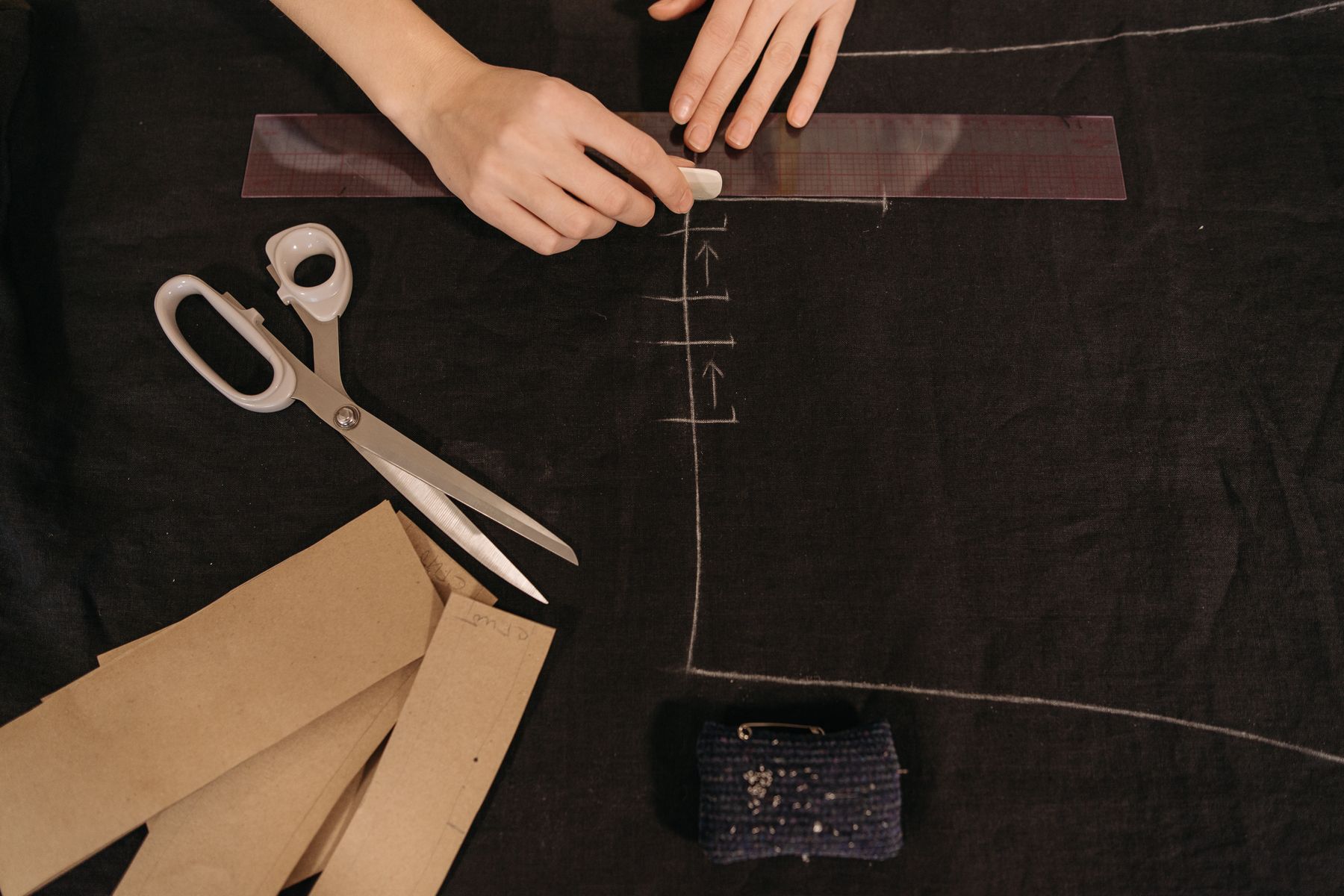
Finish small pieces first while the project is still flat. Pocket flaps, belt loops, sleeve tabs, and epaulettes are easier to press and topstitch before the full coat is heavy on the table.
Keep a pressing routine. Press seams flat, then open or to one side as the instructions require. Use a clapper if your fabric accepts it. Let each pressed area cool before moving it, especially on gabardine and twill.
Label mirrored pieces immediately. A trench has many left-right pairs, and one flipped tab or pocket flap can interrupt a long sewing session. Small paper labels save more time than they cost.
Common Trench Coat Pattern Mistakes to Avoid
The most common mistake is treating a trench coat like a long shirt. Outerwear needs more shoulder control, more pressing, more stable edges, and more patience with bulky intersections.
Another mistake is choosing hardware before testing fabric thickness. Buttons, buckles, eyelets, and belt loops should match the final cloth, not the inspiration photo. Test buttonholes and topstitching on layered scraps.
Do not skip the upper-body muslin because the coat is loose. Loose coats still need sleeve pitch, shoulder width, collar height, and front overlap to work together.
- Do not over-interface soft fabric. It can make the coat boardy instead of polished.
- Do not leave markings vague. Belt loops, pockets, and buttonholes must align from both sides.
- Do not rush the hem. Hang the coat before final hemming if the fabric has any drape.
What Should You Check Before Final Topstitching?
Before final topstitching, check the shoulder fit, sleeve length, collar roll, front overlap, pocket height, belt position, lining hang, hem level, and button placement. These are harder to fix after visible stitching is in place.
Use a longer stitch length than you use for construction, and test thread color in daylight. Tone-on-tone thread hides tiny wobbles. Contrast topstitching can look beautiful, but it should be earned by a confident sample first.
Try the coat on with real shoes and layers. Belt the coat, sit down, walk, and reach into the pockets. If the lining pulls or the front swings open strangely, solve it before making buttonholes.
Save your edited pattern pieces with notes for fabric, interfacing, sleeve changes, and hem length. A successful trench is a reusable outerwear block, not a one-time project.
Frequently Asked Questions
Is a trench coat sewing pattern beginner friendly?
A trench coat is usually better for an advanced beginner or intermediate sewist. Choose a simpler unlined or lightly lined pattern first if collars, buttonholes, welt pockets, sleeve tabs, and topstitching are still new skills.
Do I need a lining for a handmade trench coat?
A lining is strongly recommended for most trench coats because it helps the coat slide over clothing and protects the inside. Unlined trenches can work in lightweight cotton, but seam finishing must be neat.
What fabric should I use for my first trench coat?
Use cotton twill, cotton gabardine, poplin, sateen, or a medium trench coating. Avoid very bulky coating or slippery rainwear fabric for a first project because seams, facings, and topstitching are less forgiving.
Should I make a muslin before sewing a trench coat?
Yes, at least make an upper-body muslin. It checks shoulder width, sleeve movement, collar height, front overlap, and wearing ease before you cut expensive outer fabric and lining.
Sources
- Semrush keyword export, Pattern Lab Co workspace, retrieved 2026-07-23.
- The Shapes of Fabric, How to construct a trench coat, pt 2, retrieved 2026-07-23.
- Mood Sewciety, How to Choose the Perfect Fabric for Your Trench Coat, retrieved 2026-07-23.
- Closet Core Patterns, Coat Making Supplies and Tailoring Interfacing, retrieved 2026-07-23.
- Tilly and the Buttons, How to Select Your Sewing Pattern Size, retrieved 2026-07-23.
