Sewing Patterns
Vest Sewing Pattern Guide for a Polished Handmade Fit
Jul
A good vest sewing pattern can become one of the hardest-working pieces in a handmade wardrobe. In the local Semrush export, “vest sewing pattern” shows 1,600 monthly searches with keyword difficulty 9, so the topic has strong demand without the competition of broader dress or coat terms.
The trick is choosing a pattern that matches your fabric, lining preference, and body measurements before you cut. This guide walks through the fit checks, fabric choices, and construction decisions that make a vest look intentional instead of homemade.
Key Takeaways
- Choose a vest by bust, high bust, and waist, then confirm finished garment measurements.
- For a first tailored vest, pick stable medium-weight woven fabric before slippery satin or loose boucle.
- A lined vest needs precise clipping, pressing, and turning at the armholes and front edge.
- Make a quick muslin if the vest is fitted, cropped, princess-seamed, or designed to close at the bust.
What Makes a Vest Sewing Pattern Beginner Friendly?
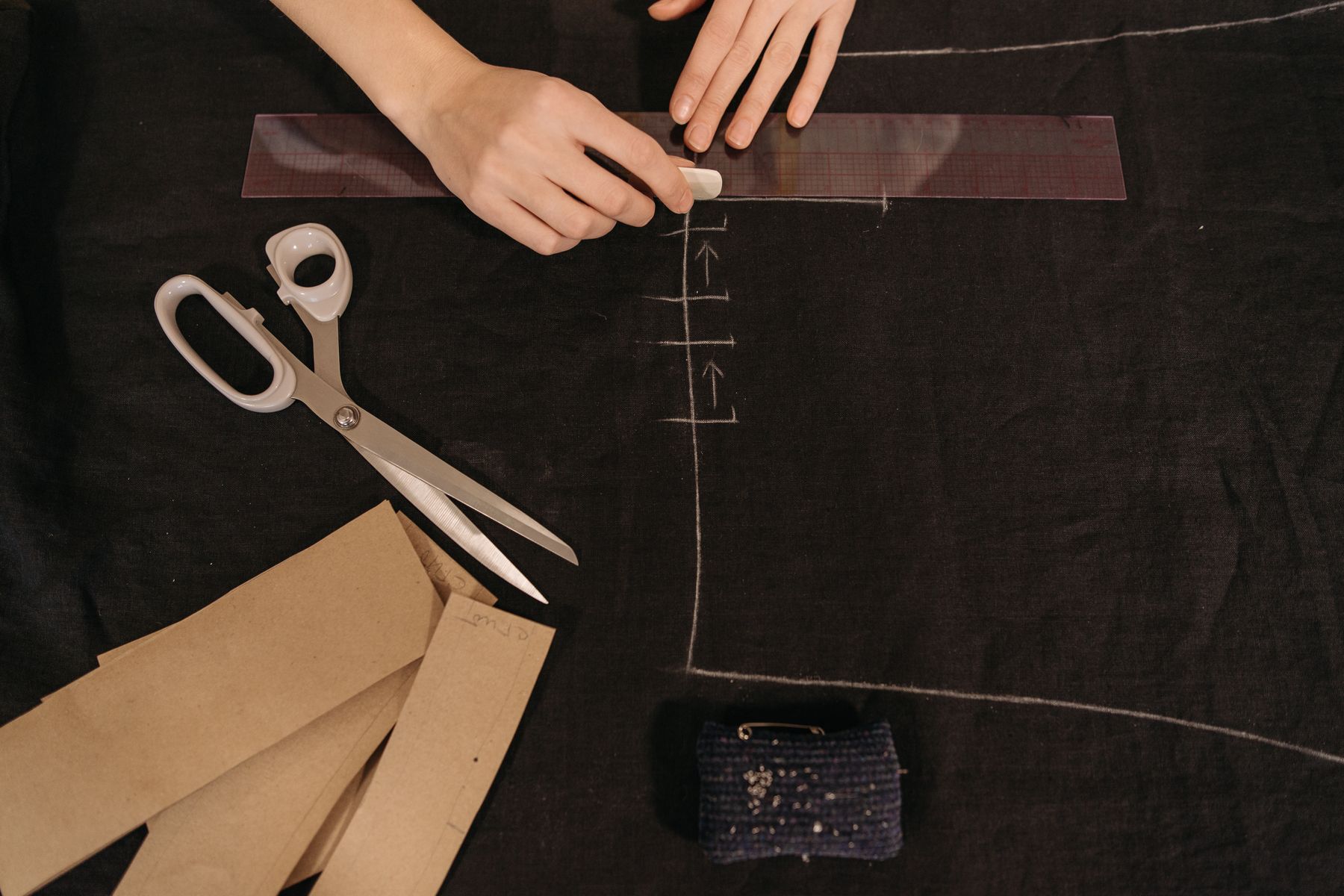
A beginner-friendly vest pattern has a simple neckline, two to four main body pieces, clear facing or lining instructions, and finished garment measurements. Tilly and the Buttons explains that finished measurements reveal the garment size after sewing, which helps you judge ease before cutting.
Skip welt pockets, dramatic lapels, and asymmetrical fronts for your first vest. Those details are beautiful, but they add bulk and accuracy pressure. A plain front with darts or princess seams teaches the fit without turning the project into tailoring school.
Look for a size range that includes your high bust, full bust, waist, and hip if the vest is long. If your bust and waist fall into different sizes, choose the upper-body size first and grade at the side seam.
How Much Ease Should a Vest Have?
A vest needs enough ease to breathe, sit, and layer over a shirt, but not so much that the armholes gape. Tilly and the Buttons lists typical woven wearing ease around 2 to 4 inches at the bust and around 1 to 2 inches at the waist, which is a useful starting range.
The exact amount depends on style. A menswear-inspired waistcoat may sit close to the body with a shaped back. A boxy utility vest can carry more design ease. Compare finished garment measurements to your body measurements and to a vest you already like.
Do the sit test on your muslin. Button or pin the center front, sit down, and reach forward. If the buttons strain, add width at the side seam or choose the next size. If the neckline floats, adjust the shoulder or high bust area before changing the whole pattern.
Which Fabric Works Best for a Vest?
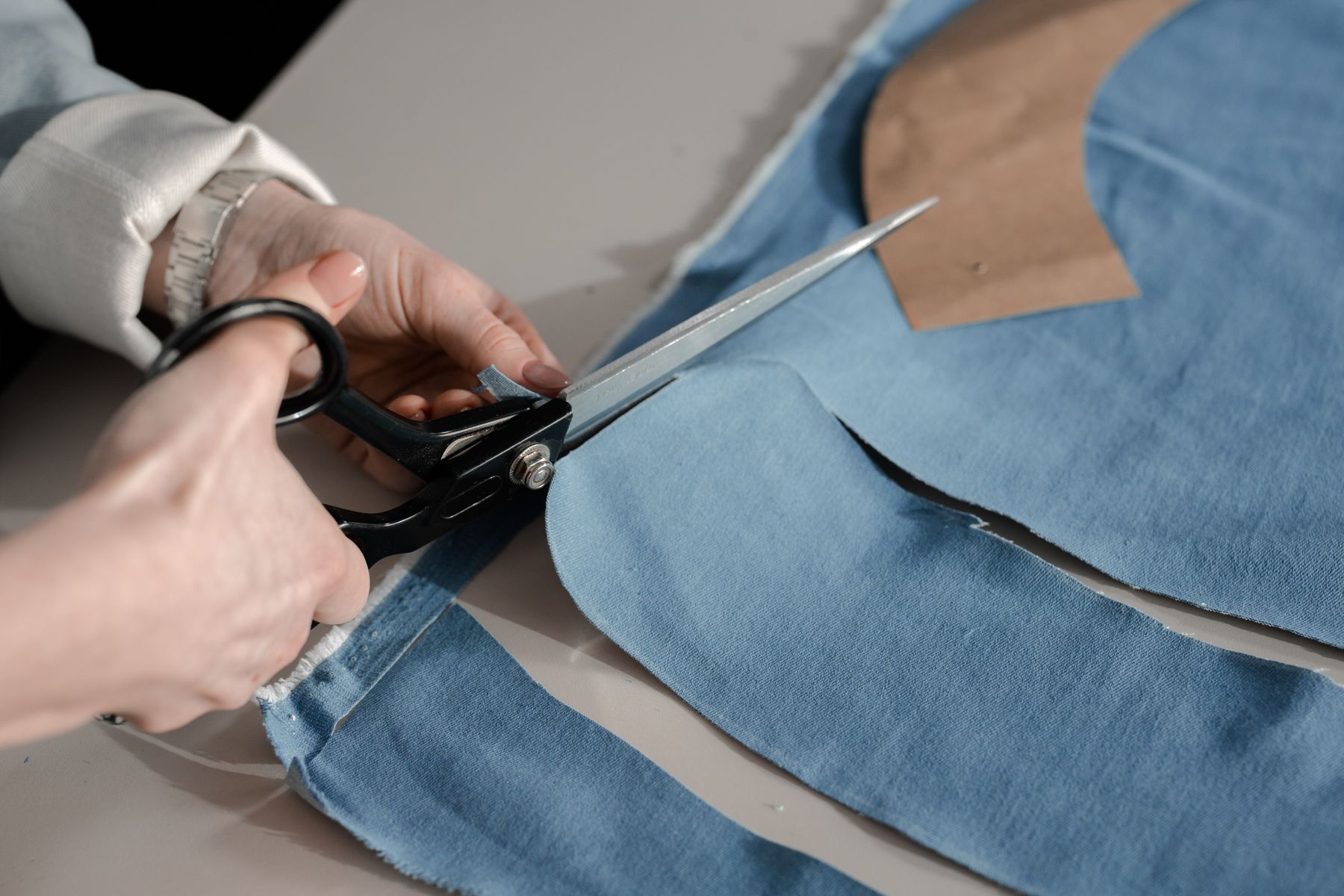
Medium-weight woven fabrics make the most reliable first vest. Mood Sewciety recommends lightweight to medium-weight fashion fabrics for its Nolita vest and lists options like tweed, wool suiting, and cashmere for the vest layer.
For beginners, cotton twill, denim, linen blend, wool blend, and stable suiting are easier to cut and press. Very drapey rayon, shiny satin, or loose boucle can shift under the presser foot and make the front edges ripple.
Choose lining based on friction. A vest worn over shirts benefits from slippery lining in the body because it slides on easily. A casual unlined vest can use bias binding instead, but the inside seams need to be neat because they will show.
How Do You Fit the Bust, Waist, and Armhole?
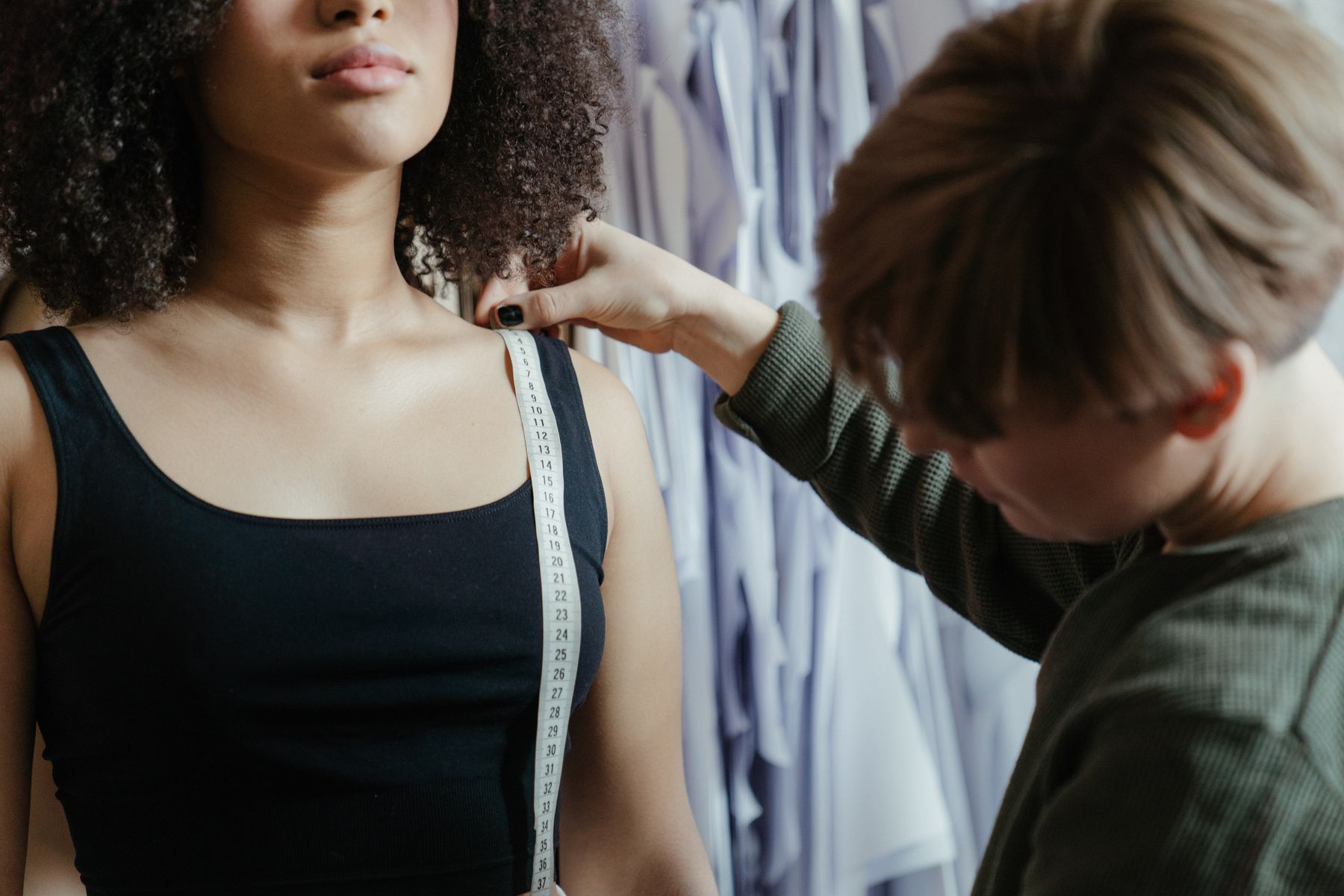
Fit a vest from the upper body downward. Start with high bust and shoulder width, then check full bust, waist shaping, and length. Tilly and the Buttons recommends measuring bust, waist, and hip first, with high bust as an extra check for tops and dresses.
If the armhole gaps, do not simply take in the side seam. Pin a small wedge from the armhole toward the bust or shoulder, then transfer that wedge to the pattern. If the front pulls open at the bust, you may need more width or a bust adjustment.
For the waist, button the vest and check the side seam. If it swings toward the front or back, the garment is borrowing fabric from the wrong place. Add or remove width where the drag lines point, then true the seam so the lining still matches.
What Construction Details Make a Vest Look Polished?
A vest looks polished when the edges are flat, the armholes are smooth, and the lining does not peek out. Mood Sewciety’s waistcoat tutorials show a sequence that joins shell pieces, handles lining or facings, and leaves an opening for turning and closing cleanly.
Press every seam before crossing it with another seam. Trim corners, grade bulky seam allowances, and clip curves so the fabric can turn without pulling. Understitch the facing or lining where possible so the inside rolls slightly away from the public edge.
Topstitching is optional. On casual denim or linen, it can look intentional. On suiting, visible topstitching can make the vest look less formal. Test on scraps before deciding, because thread color and stitch length change the whole mood.
Common Vest Pattern Mistakes to Avoid
The most common mistake is choosing by ready-to-wear size instead of finished measurements. The second is skipping the lining test. A lined vest has two garments inside one, so a small mismatch at the armhole can twist the whole front.
Another mistake is using fabric that is too soft for a structured design. If the pattern photo shows crisp corners and a defined neckline, the sample likely uses a stable fabric or interfacing. Match that structure, or pick a softer pattern.
Button placement is another place where a vest can go wrong. Mark the button line on the muslin, close it with pins, and look at the front from the side. If the lower front kicks away from the body, adjust the waist or hem shape before sewing buttonholes.
Also check the back length with the outfit you plan to wear. A cropped vest can look sharp with high-waist pants, but it may feel awkward over a lower-rise skirt. A longer vest needs enough hip ease so the hem does not ride up when you sit.
- Do not ignore interfacing. Front edges, button areas, and welt pockets need support.
- Do not cut lining larger than the shell. Extra lining can bubble at the hem.
- Do not sew buttonholes before fitting. Confirm the front closes smoothly first.
How Should You Use a Vest Pattern in a Handmade Wardrobe?
A vest earns its place when it works with clothes you already sew. Before buying a pattern, list three outfits: one with pants, one with a skirt, and one layered over a dress or tee. If the vest only works in the product photo, it may not become a repeat pattern.
For Pattern Lab Co readers, the best internal pairing is usually a vest plus an easy bottom. A waistcoat over handmade shorts, wide-leg pants, or a simple skirt gives structure without requiring a full jacket. That makes it useful in warm weather and transitional seasons.
If you are still building fitting confidence, start with a vest that can be worn open. Then try a closer buttoned version after you have tested bust, armhole, and waist changes. For another beginner-friendly garment decision, see our shorts sewing pattern fit guide.
Frequently Asked Questions
Is a vest sewing pattern good for beginners?
Yes, if the design is simple. Choose a vest with a plain front, few pattern pieces, and either facings or clear lining instructions. Avoid welt pockets and lapels until you can sew darts, clip curves, and press seams confidently.
Should a vest be lined?
A tailored vest usually looks cleaner with lining because the inside seams are hidden and the garment slides over shirts. A casual utility vest can be unlined, but use neat seam finishes or bias binding because the inside will be visible.
How much fabric do I need for a vest?
Most adult vest patterns use roughly 1 to 2 yards of fashion fabric, plus lining and interfacing. Yardage depends on size, length, lapels, pockets, fabric width, and print direction, so the pattern envelope should always be the final source.
What is the best fabric for a first vest?
Cotton twill, denim, linen blend, and stable suiting are good first choices. They press well and do not slide as much as satin or rayon. If the pattern is structured, add interfacing exactly where the instructions specify.
Sources
- Semrush keyword export, Pattern Lab Co workspace, retrieved 2026-07-18.
- Tilly and the Buttons, How to Select Your Sewing Pattern Size, retrieved 2026-07-18.
- Mood Sewciety, Nolita Vest and Skirt Set Free Sewing Patterns, retrieved 2026-07-18.
- Mood Sewciety, Anne Waistcoat Ensemble Free Sewing Pattern, retrieved 2026-07-18.
- Love Notions, What sewists need to know about Ease, retrieved 2026-07-18.
