Sewing Patterns
Hoodie Sewing Pattern: Fit and Fabric Guide
Jul
A hoodie sewing pattern looks casual, but it still needs smart decisions about knit fabric, recovery, shoulder fit, hood volume, pocket placement, and ribbing. In the local Semrush export, “hoodie sewing pattern” shows 880 monthly searches with keyword difficulty 7, making it a strong low-competition tutorial topic.
This guide explains how to choose a hoodie pattern, check stretch percentage, pick fleece or jersey, fit the shoulder and sleeve, sew cuffs and waistbands, and avoid the wavy seams that make handmade knits look unfinished.
Key Takeaways
- Choose a hoodie by finished chest, shoulder width, sleeve length, hood style, pocket type, and ribbing requirements.
- Sweatshirt fleece, French terry, ponte, jersey, and rib knit behave differently, so follow the stretch recommendation.
- Ribbing needs strong recovery for cuffs, waistband, and neckline; loose jersey rarely substitutes cleanly.
- A quick wearable test in inexpensive fleece checks hood weight, pocket height, and sleeve comfort.
What Makes a Hoodie Sewing Pattern Fit Well?
A hoodie fits well when the shoulder sits cleanly, the chest has enough ease, the sleeve bends comfortably, and the hood does not pull the neckline backward. Seamwork shows how one sweatshirt pattern can create different garments when fabric and styling choices change.
The best starting point is not the fashion photo. It is the finished garment measurement chart. Compare chest, bicep, sleeve length, body length, and hem width to a hoodie you already like wearing.
If you need a deeper hood-shape reference, start with our hood sewing pattern guide. A hoodie succeeds when the hood feels intentional, not heavy or tight.
How Do You Choose the Right Hoodie Size?
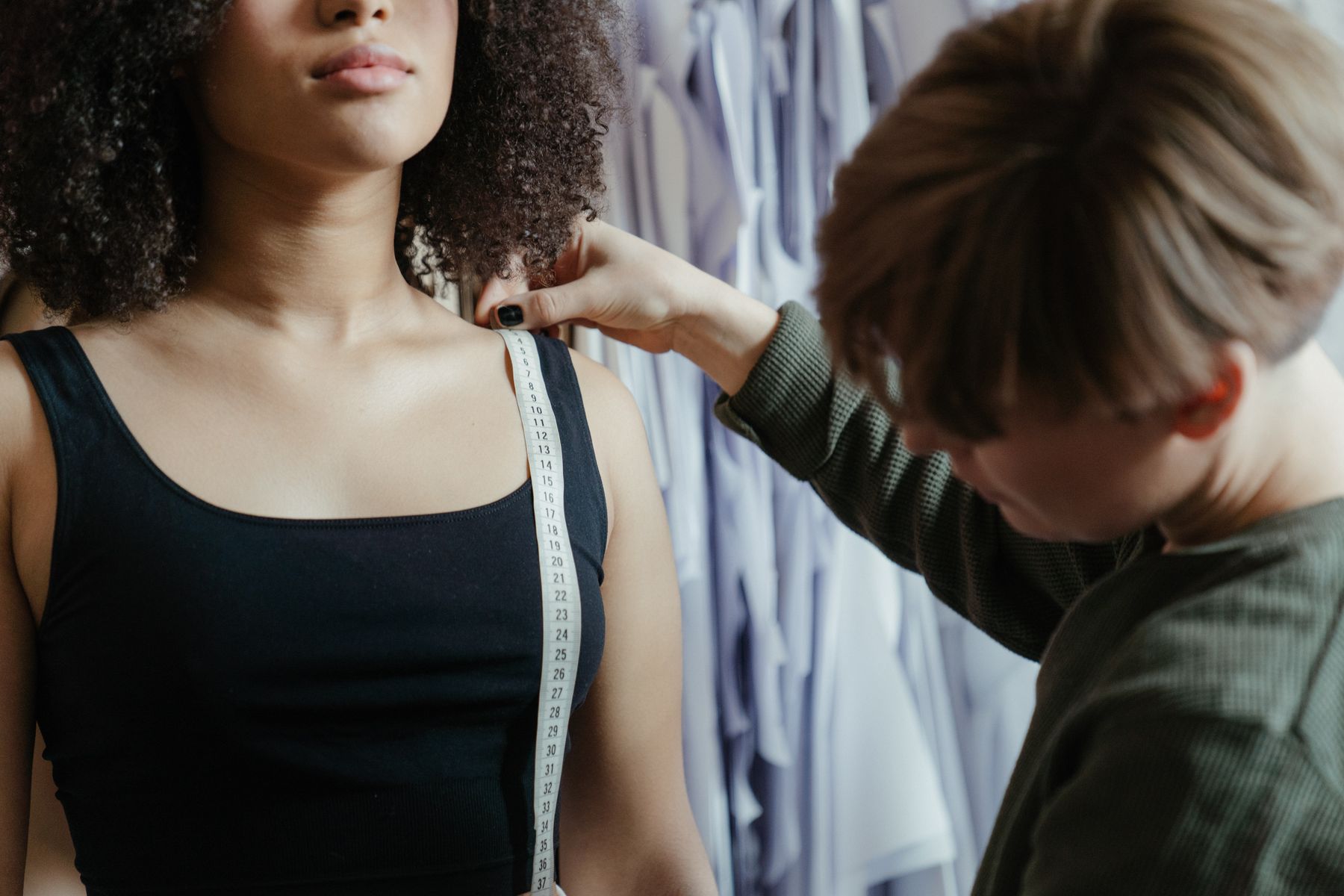
Choose the size from chest, shoulder, and finished garment measurements, then check hip or hem width if the hoodie is long. Tilly and the Buttons explains that pattern size should come from body measurements rather than ready-to-wear labels.
A fitted hoodie and an oversized hoodie are different projects. Oversized does not mean any size will work. The shoulder drop, armhole depth, sleeve width, and hem band must still match the design.
If your bust, waist, and hip measurements fall across sizes, grade smoothly. Hoodie side seams are usually simple enough to blend, but pocket placement and hem bands should be checked after any size change.
Measure sleeve length with the cuff included. A cuff can hide a small amount of extra length, but it cannot fix a sleeve that is too short when you reach forward.
Which Fabric Works Best for a Hoodie?
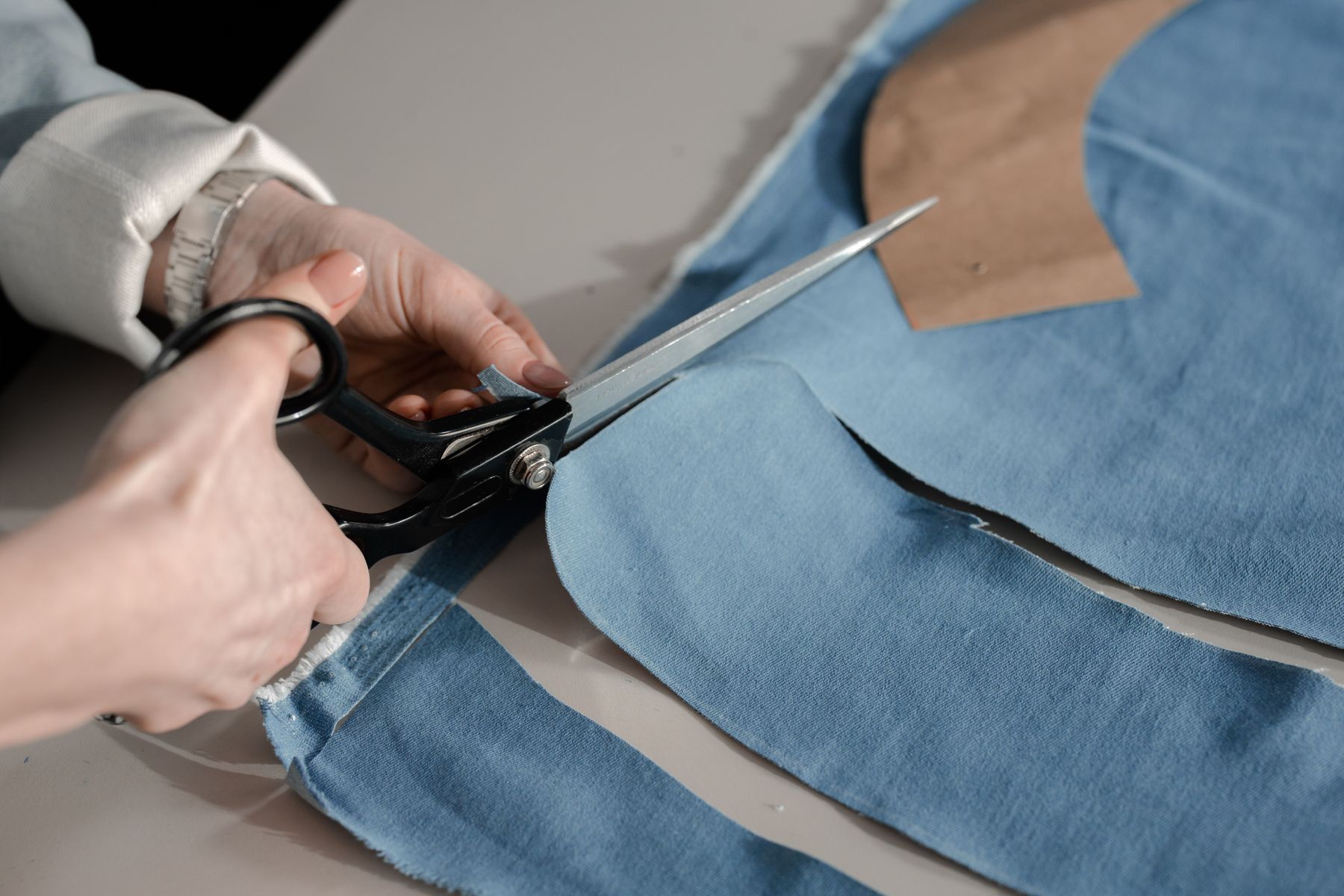
The best hoodie fabric matches the pattern’s stretch and weight recommendation. Closet Core Patterns explains that knit fabrics vary by composition, stretch, recovery, weight, and direction of stretch, all of which affect finished fit.
Use sweatshirt fleece for warmth, French terry for an everyday layer, ponte for a cleaner shape, waffle knit for texture, or cotton jersey for a lighter pullover. If the pattern expects stretch, do not replace it with a stable woven.
Check stretch percentage before cutting. Megan Nielsen describes stretch percentage as the stretched width divided by the unstretched width, minus one. That simple test tells you whether cuffs, hem, and body pieces will recover.
For more knit fitting logic, compare our T-shirt sewing pattern guide. Hoodie fabric is heavier, but recovery and grain still decide the result.
How Should the Hood, Neckline, and Drawstring Work?
The hood should frame the face, sit flat at the neckline, and stay balanced with the body fabric. A heavy lined hood on a lightweight jersey body can drag backward and distort the neckline.
Check whether the hood is one piece, two piece, three piece, lined, unlined, overlapped, or joined with a neckband. A lined hood looks clean, but it doubles the fabric weight around the neck.
If the pattern includes drawstrings, decide early whether you want eyelets, buttonholes, cord ends, or no drawstring. Practice the opening method on scraps because neckline mistakes are highly visible.
Check the hood while the body is on, not flat on the table. If the hood pulls the neckline back, reduce lining weight, adjust the neckline seam, or choose a smaller hood size before cutting final fleece.
Press the neckline gently after attaching the hood. Steam can help a knit seam settle, but too much stretching while pressing can create a wavy front edge.
What Ribbing Do You Need for Cuffs and Waistbands?
Ribbing should stretch enough to sew on smoothly and recover enough to hold the cuff or waistband close to the body. Closet Core Patterns notes that rib knits are useful for cuffs and collar bands because they offer sideways stretch and recovery.
Do not assume the body fabric can replace ribbing. French terry or sweatshirt fleece may stretch, but the edge can relax after wearing. A poor recovery band makes the hoodie look tired quickly.
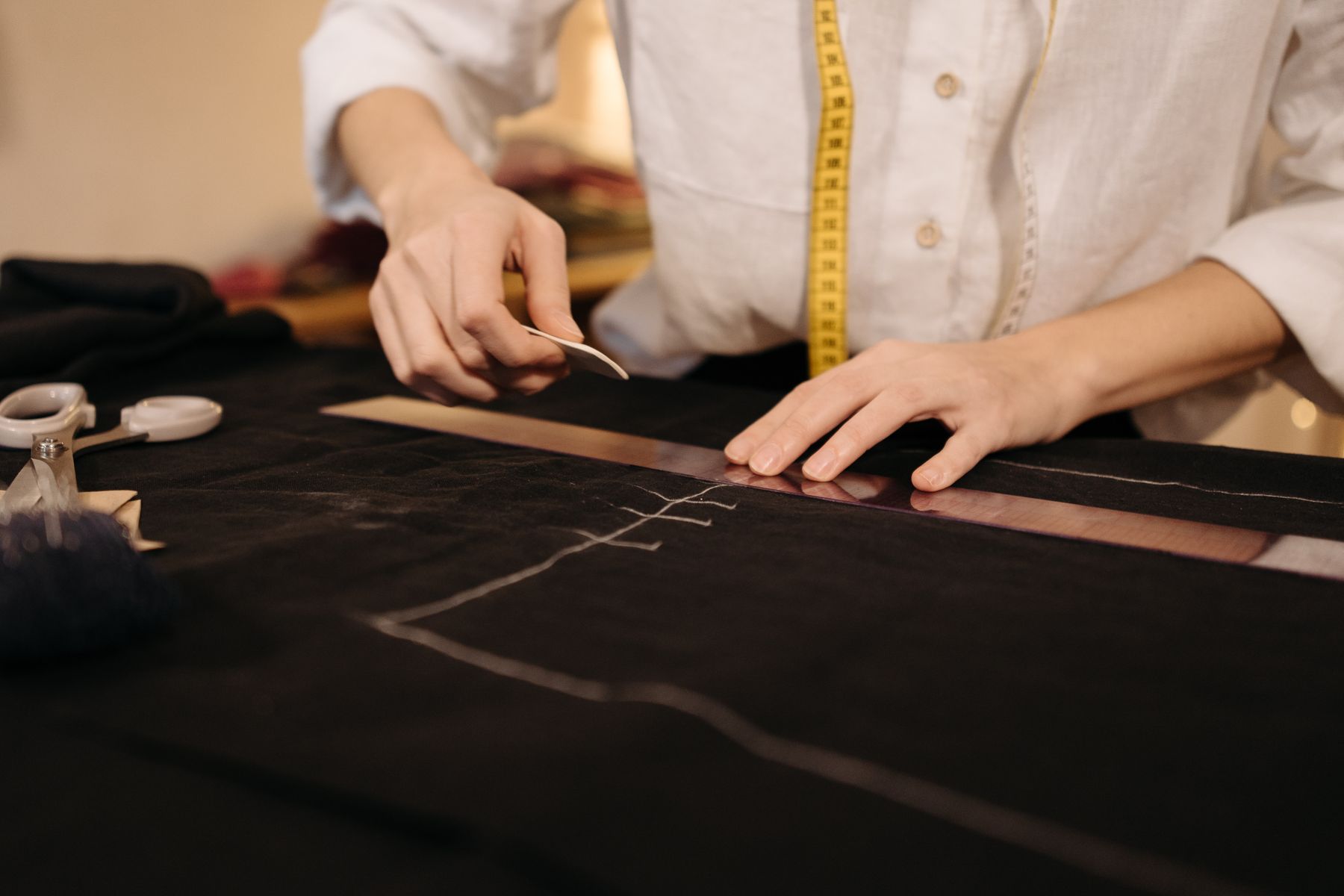
Quarter-mark cuffs, sleeves, waistband, and hem before sewing. Stretch the ribbing, not the body fabric, as you sew. This keeps the hoodie body from rippling while the band distributes evenly.
If the ribbing feels tight at the wrist or hip, cut a test band first. Small changes in ribbing length can change comfort more than expected.
How Do You Sew Hoodie Knits Without Wavy Seams?
Use a stretch stitch, narrow zigzag, serger, or coverstitch according to the seam. The seam needs to stretch with the garment, especially at the shoulder, pocket, hood opening, cuffs, and hem.
Stabilize shoulder seams with clear elastic, twill tape, or a strip of stable knit if the fabric grows easily. The shoulder carries the sleeve and hood, so weak shoulder seams can drag down after a few wears.
Topstitch pockets and hoods with a sample-tested stitch length. Closet Core Patterns recommends steam for knit topstitching because it helps fibers relax and recover after stitching.
Do not pull the fabric behind the presser foot. Let the feed dogs move it. If the seam still waves, reduce presser foot pressure, use a walking foot, or add wash-away stabilizer.
Common Hoodie Pattern Mistakes to Avoid
The most common mistake is ignoring fabric weight. A pattern drafted for sweatshirt fleece can look saggy in thin jersey, while a jersey pattern can feel tight and bulky in heavy fleece.
Another mistake is placing the pocket without trying on the body. Kangaroo pockets need the right height, width, and opening angle. A pocket that looks centered flat can feel awkward on the body.
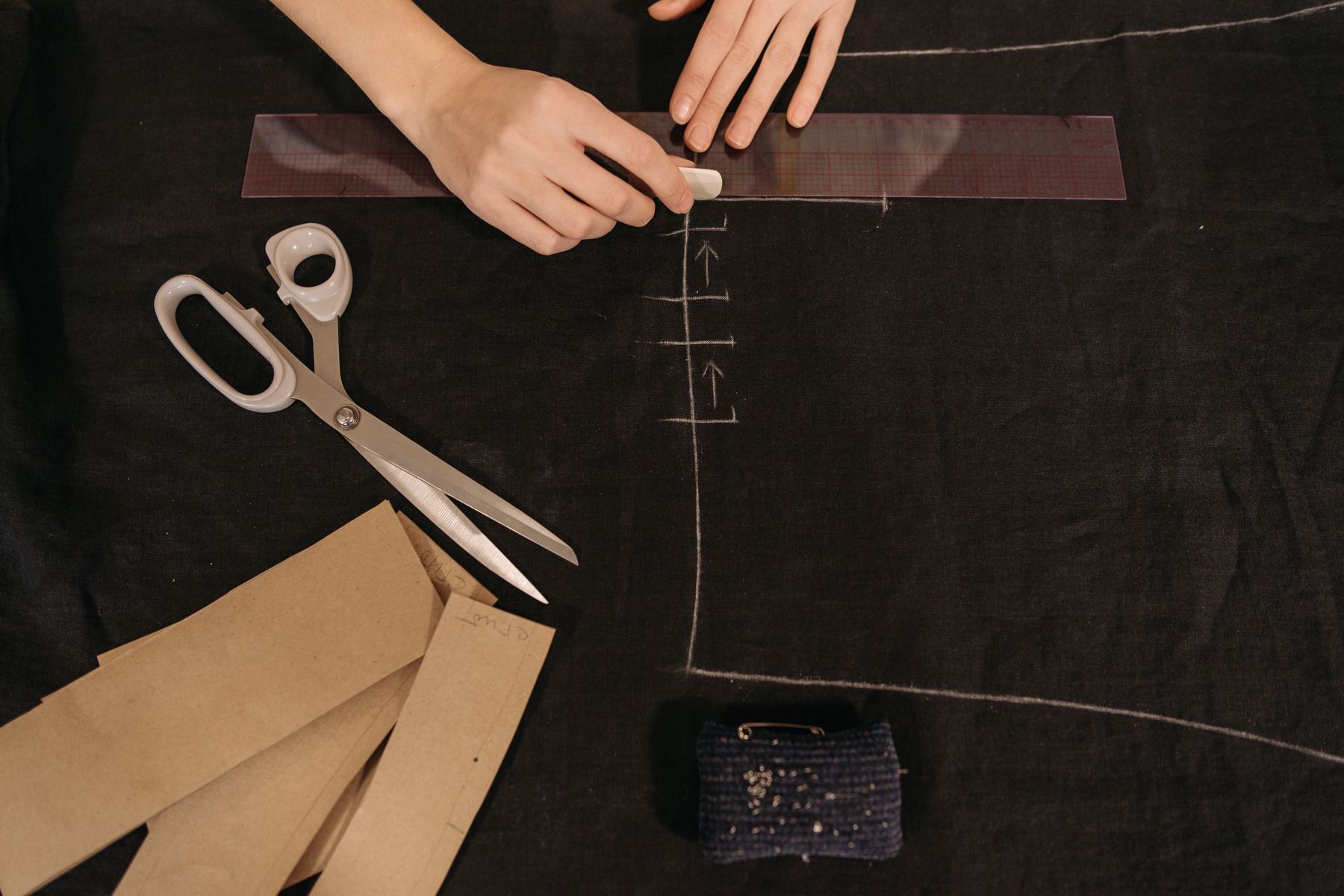
Do not skip notch transfer. Hood seams, sleeve caps, pocket corners, and cuff joins need accurate markings because knits can look forgiving until the final seam twists.
- Do not stretch the neckline while sewing. It can make the hood opening ripple.
- Do not use weak ribbing. Cuffs and waistband need recovery.
- Do not overpress fleece. Use steam and a press cloth, then let the seam cool.
What Should You Check Before Final Sewing?
Before final sewing, check the fabric stretch, recovery, nap direction, pocket height, hood weight, shoulder fit, sleeve length, cuff tightness, waistband length, and hem level.
Try the hoodie on before attaching the cuffs and waistband permanently. Baste if needed. It is easier to adjust sleeve length, body length, or pocket placement before those bands are sewn and topstitched.
Wash a fabric sample before cutting the final project. Sweatshirt fleece and ribbing can shrink at different rates, and a finished hoodie should not twist after the first laundry cycle.
If you want a lighter knit project first, our free tank top sewing pattern guide uses similar stretch checks with fewer bulky seams.
Frequently Asked Questions
Is a hoodie sewing pattern beginner friendly?
A hoodie can be beginner friendly if it uses stable sweatshirt fleece, simple cuffs, a basic hood, and no zipper. Kangaroo pockets and rib bands are manageable when you mark carefully and test stitches on scraps.
Can I sew a hoodie without a serger?
Yes. Use a narrow zigzag, lightning stitch, or stretch stitch on a regular sewing machine. A serger is fast and tidy, but the key is using a seam that stretches with the knit fabric.
What fabric should I use for my first hoodie?
Use medium sweatshirt fleece or French terry with matching ribbing. These fabrics are stable enough to handle, warm enough for a classic hoodie, and easier than thin jersey or slippery stretch velvet.
How do I stop hoodie seams from stretching out?
Avoid pulling the fabric while sewing, stabilize shoulder seams, use the correct needle, and test presser foot pressure. Steam the finished seam lightly so the knit can recover without being flattened.
Sources
- Semrush keyword export, Pattern Lab Co workspace, retrieved 2026-07-23.
- Closet Core Patterns, Understanding Knit Fabrics, retrieved 2026-07-23.
- Megan Nielsen Patterns, How to Calculate Stretch Percentage, retrieved 2026-07-23.
- Closet Core Patterns, The Ultimate Guide to Topstitching Knits, retrieved 2026-07-23.
- Tilly and the Buttons, How to Combine Pattern Sizes, retrieved 2026-07-23.
