
Sewing Patterns
Jumpsuit Sewing Pattern: Fit and Fabric Guide
Jul
A jumpsuit sewing pattern asks one garment to fit like a top and trousers at the same time. In the local Semrush export, “jumpsuit sewing pattern” shows 1,000 monthly searches with keyword difficulty 12, giving Pattern Lab Co a relevant low-competition garment topic with tutorial intent.
This guide explains how to choose a jumpsuit pattern, check torso length, test the rise, match fabric drape, plan closures, and avoid the fitting problems that make one-piece garments feel restrictive.
Key Takeaways
- Choose a jumpsuit by bust, waist, hip, torso length, rise, and closure access rather than style photo alone.
- A quick muslin should test sitting, reaching, bending, and bathroom access before you cut final fabric.
- Soft linen blends, rayon challis, tencel twill, stable knits, and light denim suit different jumpsuit shapes.
- Fit the upper body and lower body separately, then refine the waist seam or elastic channel last.
What Makes a Jumpsuit Sewing Pattern Fit Well?
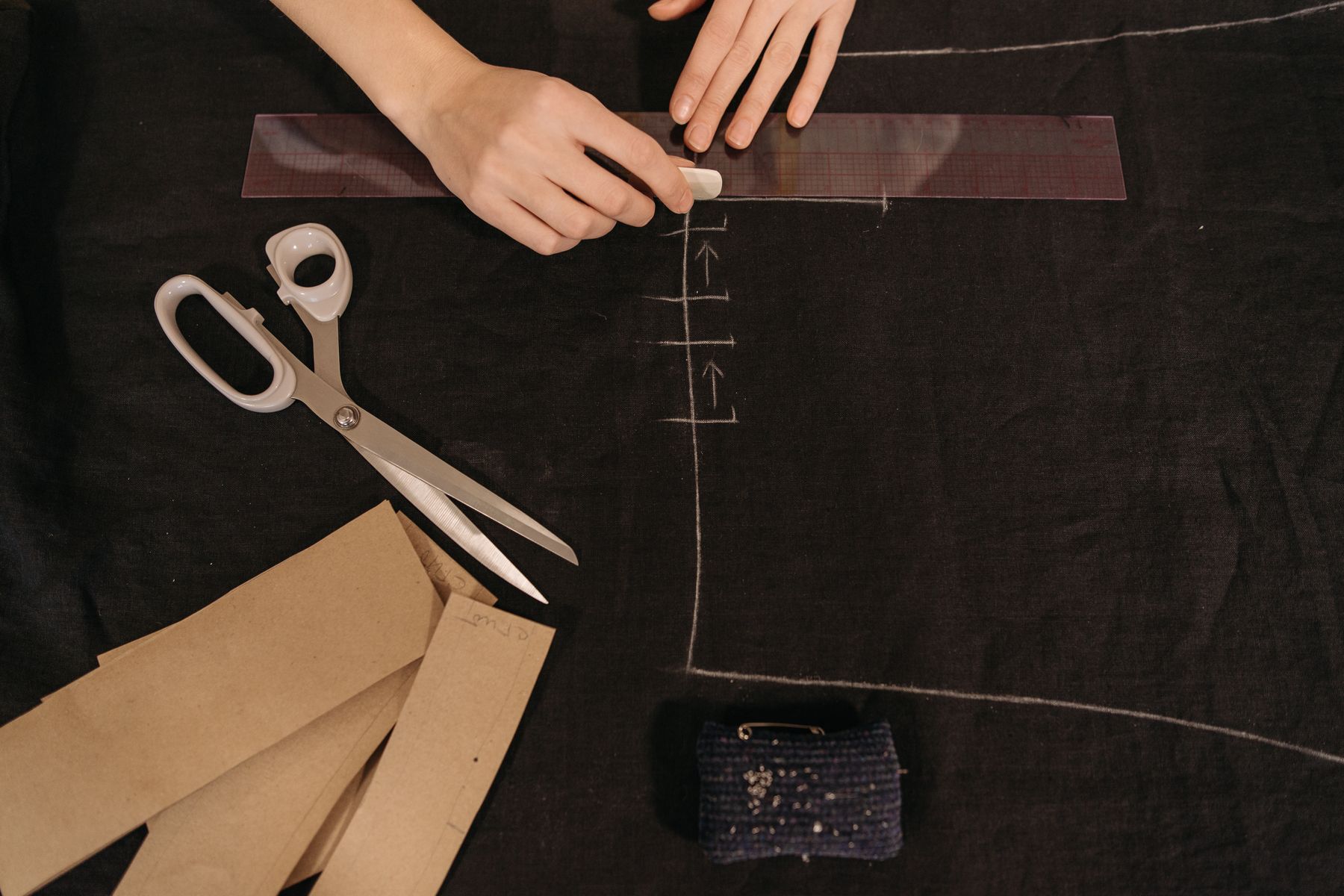
A jumpsuit fits well when the bodice length, waist placement, crotch depth, and hip ease work together. In the Folds recommends choosing the right size from accurate body measurements, especially the fullest hip, before fitting a jumpsuit.
The challenge is vertical ease. A dress can skim over the body, and trousers can hang from the waist. A jumpsuit connects those zones, so a small torso-length problem can pull at the shoulders, seat, or front rise.
If you are newer to pattern markings, start with our how to read a sewing pattern guide. Jumpsuits use the same grainlines and notches, but the fitting stakes are higher.
How Do You Choose the Right Jumpsuit Size?
Choose the starting size from the body area that is hardest to alter in the design. Tilly and the Buttons explains that sewing pattern sizing should start with bust, waist, and hip measurements rather than ready-to-wear size.
For a woven jumpsuit, the hip and rise often matter most because lower-body restriction is hard to hide. For a knit jumpsuit, bust and shoulder fit may lead because stretch gives the lower body more forgiveness.
Compare body measurements to finished garment measurements if the pattern provides them. If the bodice is one size and the hip is another, blend between sizes gradually around the waist seam or side seam.
Do not chase a tight standing fit. The right size should let you sit, reach overhead, bend forward, and take a full step without the shoulder seam pulling downward or the crotch seam cutting upward.
Which Fabric Works Best for a Jumpsuit?
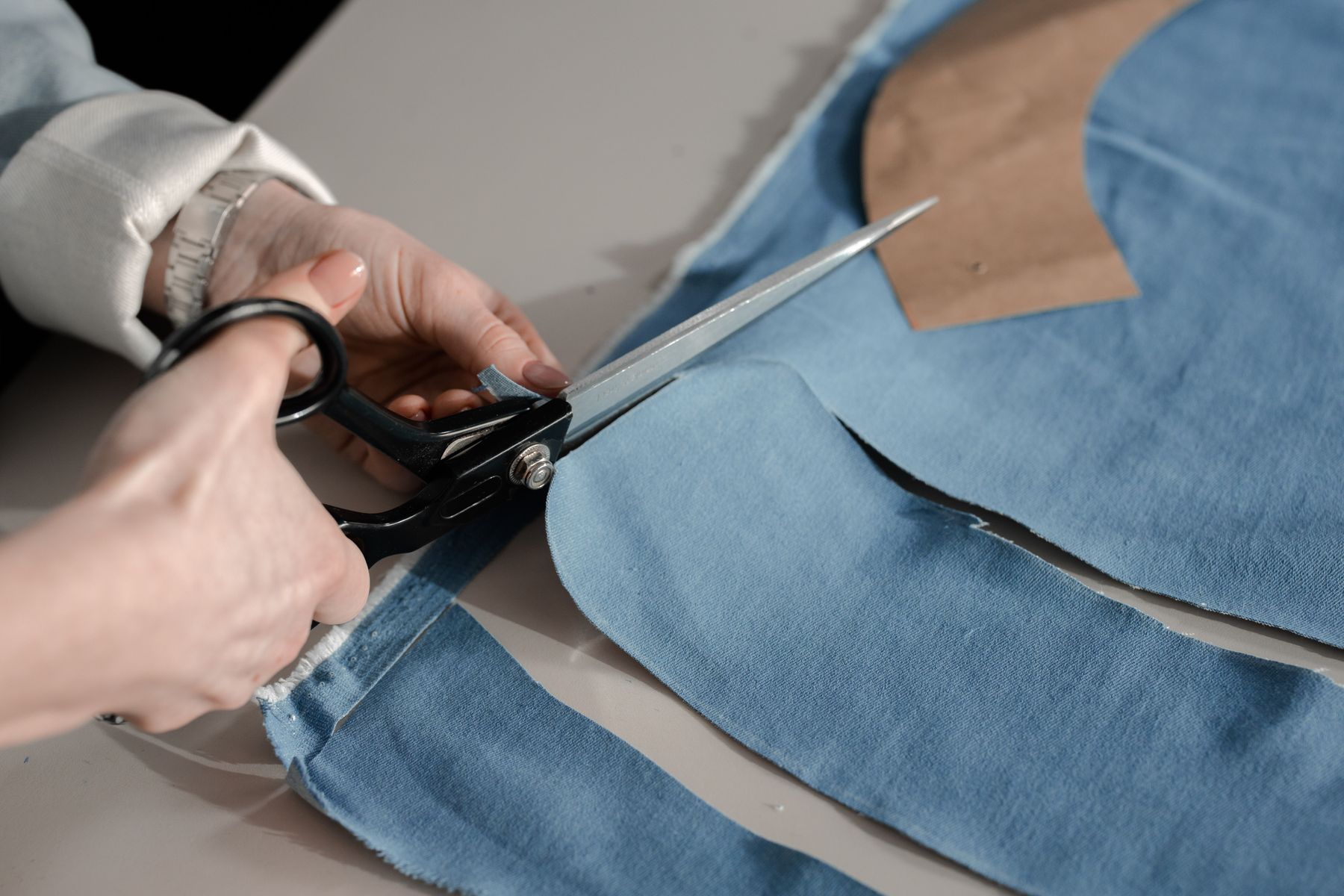
The best fabric depends on the jumpsuit silhouette. Mood Sewciety notes that fabric drape changes fit, which is especially visible in one-piece garments with long vertical seams and connected bodice-to-pant proportions.
Use rayon challis, viscose linen, cupro, tencel twill, or crepe for a soft dressy jumpsuit. Use linen, cotton twill, light denim, chambray, or stable ponte for utility shapes, boilersuits, and structured waist details.
Avoid fabric that is both bulky and stiff for a first project. It can make the crotch seam, waist seam, pockets, and zipper area thick. If the pattern has elastic, test how the fabric gathers before committing.
How Should You Test Torso Length and Rise?
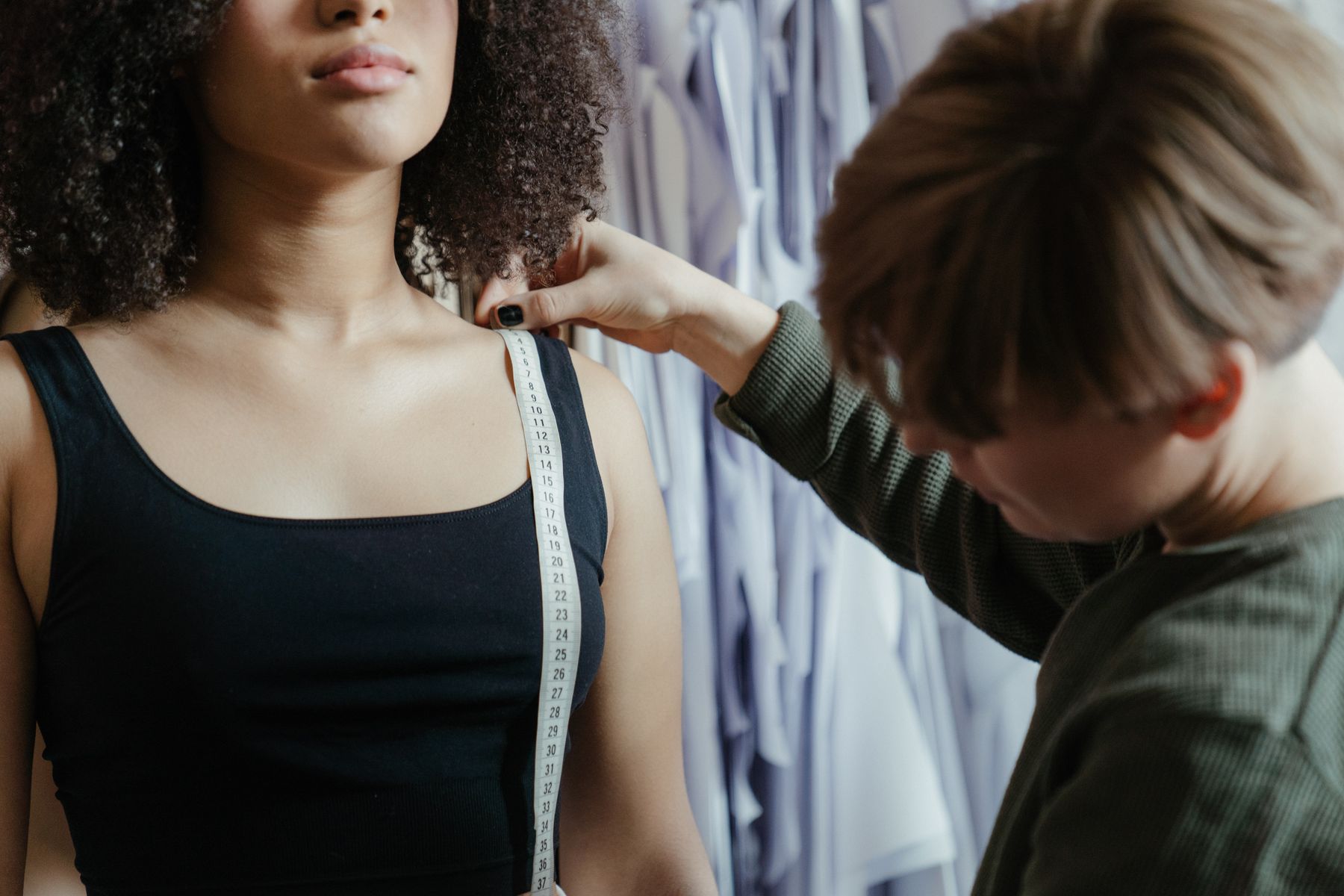
Test torso length with a quick muslin before sewing final seams. The Shapes of Fabric shows jumpsuit drafting from a bodice block and pants block, which explains why both vertical sections need enough length to meet comfortably.
Baste the shoulder seams, side seams, inseam, and waist seam if there is one. Then sit, raise your arms, and reach forward. If the garment pulls from shoulder to crotch, add length above the waist, below it, or both.
Mark where the waist actually sits on your body. A waist seam that is too high can shorten the torso. A waist seam that is too low can add pouching. Work in small changes so the fit stays balanced.
What Closure Is Easiest for a First Jumpsuit?
The easiest closure depends on how quickly the jumpsuit can be put on and removed. A center-back zipper may look clean, but a front zipper, button placket, wrap bodice, or elastic neckline can be more practical.
Before choosing a pattern, imagine the real workflow. Can you reach the zipper? Does the neckline open wide enough? Will a tie belt shift? These questions matter more for jumpsuits than for separate tops and trousers.
For beginners, a loose pull-on jumpsuit with elastic waist or a front button opening is often friendlier than a fitted invisible zipper. The sewing may be simpler, and fitting changes are easier to hide.
For closure practice, compare the waistband and tie decisions in our wrap pants sewing pattern guide. One-piece garments need the same practical movement checks.
Common Jumpsuit Pattern Mistakes to Avoid
The most common mistake is skipping a movement test. A jumpsuit can look smooth in a mirror and still feel too short when sitting. Always test the muslin in the positions you expect to use daily.
Another mistake is choosing fabric from the pattern photo without checking weight. A drapey pattern made in crisp cotton can balloon. A structured boiler suit made in thin challis can collapse around pockets and seams.
Do not ignore bathroom access. It sounds practical because it is. If the closure is difficult during a fitting, it will be more annoying once the garment has sleeves, facings, lining, or a belt.
- Do not overfit the waist. You still need vertical ease for sitting and reaching.
- Do not cut final fabric first. A quick muslin protects expensive yardage.
- Do not skip pocket testing. Pocket bags can pull on soft jumpsuit fabric.
How Can You Adjust a Jumpsuit Pattern?
Adjust a jumpsuit by separating the problem. If the bodice pulls upward, add length above the waist. If the seat pulls, check the back rise. If the hip feels tight, blend out at the side seam.
A waist seam makes changes easier because you can add or remove length there. A continuous jumpsuit without a waist seam may need a lengthen-or-shorten line through the torso and another adjustment through the rise.
Try changes on the paper copy first. Label each adjustment with the date, fabric, and amount changed. That habit matters because jumpsuits often need two or three small changes rather than one dramatic correction.
If you are adjusting the lower body, use the same diagnostic thinking from our pants sewing pattern fit checks before editing the crotch curve.
What Should You Check Before Final Sewing?
Before final sewing, confirm the pattern size, torso length, rise, hip ease, fabric recovery, pocket placement, closure access, and hem length. Cut mirrored pieces carefully because long one-piece garments show twisting quickly.
Sew the project in checkpoints. Finish the bodice enough to try on, then the lower body, then the waist or closure. This staged fitting keeps small problems from becoming permanent after topstitching or seam finishing.
Press long seams as you go. A jumpsuit has more fabric weight than a top, so unpressed seams can drag and distort. Test heat on scraps, especially with rayon, linen blends, ponte, and synthetic crepe.
Check the garment with the shoes and underlayers you expect to wear. A jumpsuit hem, waist blousing, and neckline can all look different once the body is dressed the way it will be in real use.
Save your final pattern notes. Record the torso change, rise change, preferred heel height, pocket depth, zipper length, and fabric choice. Those details make the next jumpsuit much faster to sew.
Frequently Asked Questions
Is a jumpsuit sewing pattern beginner friendly?
A jumpsuit can be beginner friendly when it has a loose fit, simple neckline, elastic waist, and easy front opening. Fitted bodices, invisible zippers, collars, and tailored waist seams raise the difficulty quickly.
How do I stop a jumpsuit from pulling at the crotch?
Add vertical length where the body needs it, then retest sitting and reaching. The fix may be torso length, front rise, back rise, or shoulder balance rather than the crotch seam alone.
What fabric should I use for my first jumpsuit?
Choose a fabric that matches the pattern structure. Rayon challis and viscose suit soft jumpsuits, while linen, chambray, cotton twill, ponte, and light denim suit cleaner utility shapes.
Do I need to make a muslin for a jumpsuit?
Yes, a fast muslin is worth it for most woven jumpsuits. It checks torso length, rise, hip ease, closure access, and sitting comfort before you spend time cutting and finishing final fabric.
Sources
- Semrush keyword export, Pattern Lab Co workspace, retrieved 2026-07-22.
- In the Folds, Tips for getting a good fit on a jumpsuit, retrieved 2026-07-22.
- Tilly and the Buttons, How to Select Your Sewing Pattern Size, retrieved 2026-07-22.
- Mood Sewciety, The Ultimate Guide to Fabric Drape & Fit, retrieved 2026-07-22.
- The Shapes of Fabric, Draft a Jumpsuit Pattern the Easy Way, retrieved 2026-07-22.
