Sewing Patterns
Maxi Dress Sewing Pattern: Fit and Fabric Guide
Jul
A maxi dress sewing pattern can become an easy handmade wardrobe staple, but long length makes every fit and fabric choice more visible. In the local Semrush export, “maxi dress sewing pattern” shows 720 monthly searches with keyword difficulty 6, which fits buyer and tutorial intent for dressmaking readers.
This guide shows you how to choose a maxi dress pattern, check bodice ease, match fabric drape, control skirt volume, plan straps and sleeves, and hem a long dress without losing movement.
Key Takeaways
- Choose the bodice fit first, then compare skirt shape, waist placement, finished length, and closure details.
- Rayon challis, viscose, linen blends, cotton lawn, double gauze, and jersey suit different maxi shapes.
- A muslin or wearable test catches bodice, strap, waist, and hem problems before the full-length version.
- Long skirts need careful grainline, print direction, and hem leveling because small errors show quickly.
What Makes a Maxi Dress Sewing Pattern Beginner Friendly?
A beginner-friendly maxi dress has a forgiving bodice, clear waist seam, simple straps or sleeves, and a skirt shape that matches stable fabric. Tilly and the Buttons explains that pattern sizing differs from ready-to-wear sizing, so body and finished measurements should guide the first size.
Choose fewer complications for the first version. A simple elastic waist, gathered skirt, or knit tank dress is easier than a lined bodice, invisible zipper, bias-cut skirt, or deep neckline that needs exact support.
If pattern sizing still feels unclear, start with our sewing pattern symbols and size guide. Maxi dresses use the same markings, but the long skirt makes mistakes more expensive.
How Do You Choose the Right Maxi Dress Size?
Choose the size from bust, high bust, waist, hip, and finished garment measurements. Love Notions defines ease as the difference between body and garment measurements, which is why a loose maxi dress still needs enough room in the right places.
For fitted bodices, high bust helps choose shoulder and upper chest size. Full bust, waist, and hip can then be graded. For knit maxi dresses, stretch percentage and recovery matter as much as the size column.
Look at the back as carefully as the front. A long skirt can pull a low back downward, while tight straps can lift the armhole. Those small shifts are easier to correct before the skirt is attached.
If the bodice is fitted, make the bodice muslin first and pin a temporary skirt weight to the waist. That simple test shows whether straps, elastic, or neckline edges will stretch under the final dress.
Check finished length before cutting. A maxi dress drafted for a different height can drag on the floor or hit awkwardly above the ankle. Adjust length at marked lengthen-shorten lines, not only at the hem.
Which Fabric Gives a Maxi Dress the Best Drape?
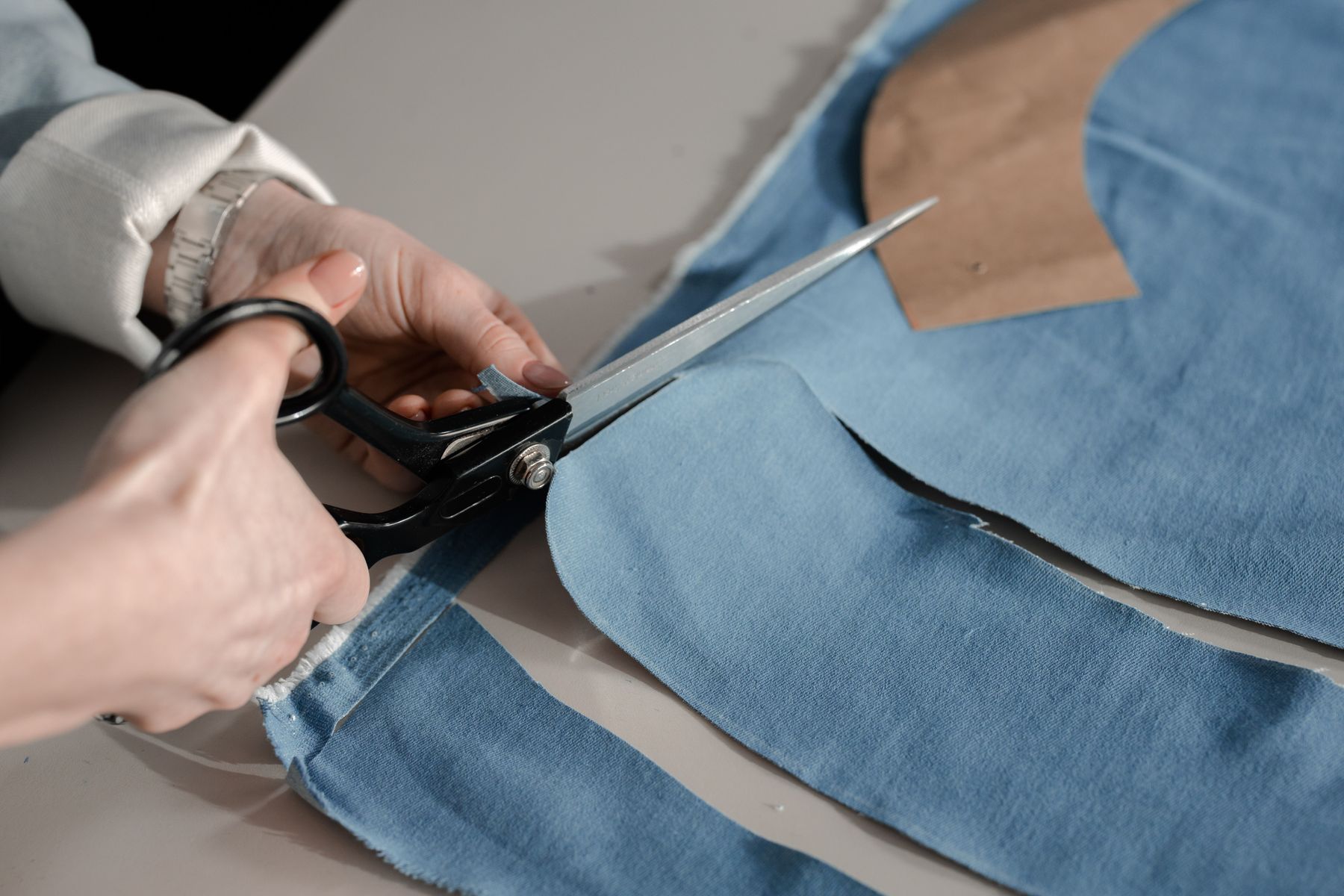
Fabric decides whether a maxi dress feels floaty, structured, clingy, or heavy. Seamwork recommends matching fabric behavior to garment design, and that matters strongly when a skirt has full-length weight.
Rayon challis, viscose, cotton lawn, double gauze, lightweight linen blends, crepe, and soft jersey work for many maxi dresses. Poplin, quilting cotton, canvas, and heavy denim can make long skirts stand away from the body unless the pattern is designed for structure.
Hold fabric from the corner and watch the folds. Soft vertical folds suit gathered and tiered maxi dresses. Crisp folds suit shirt dresses or structured summer dresses. If the fabric feels heavy in your hand, imagine that weight hanging from the bodice.
How Should You Test Bodice Fit Before Cutting?
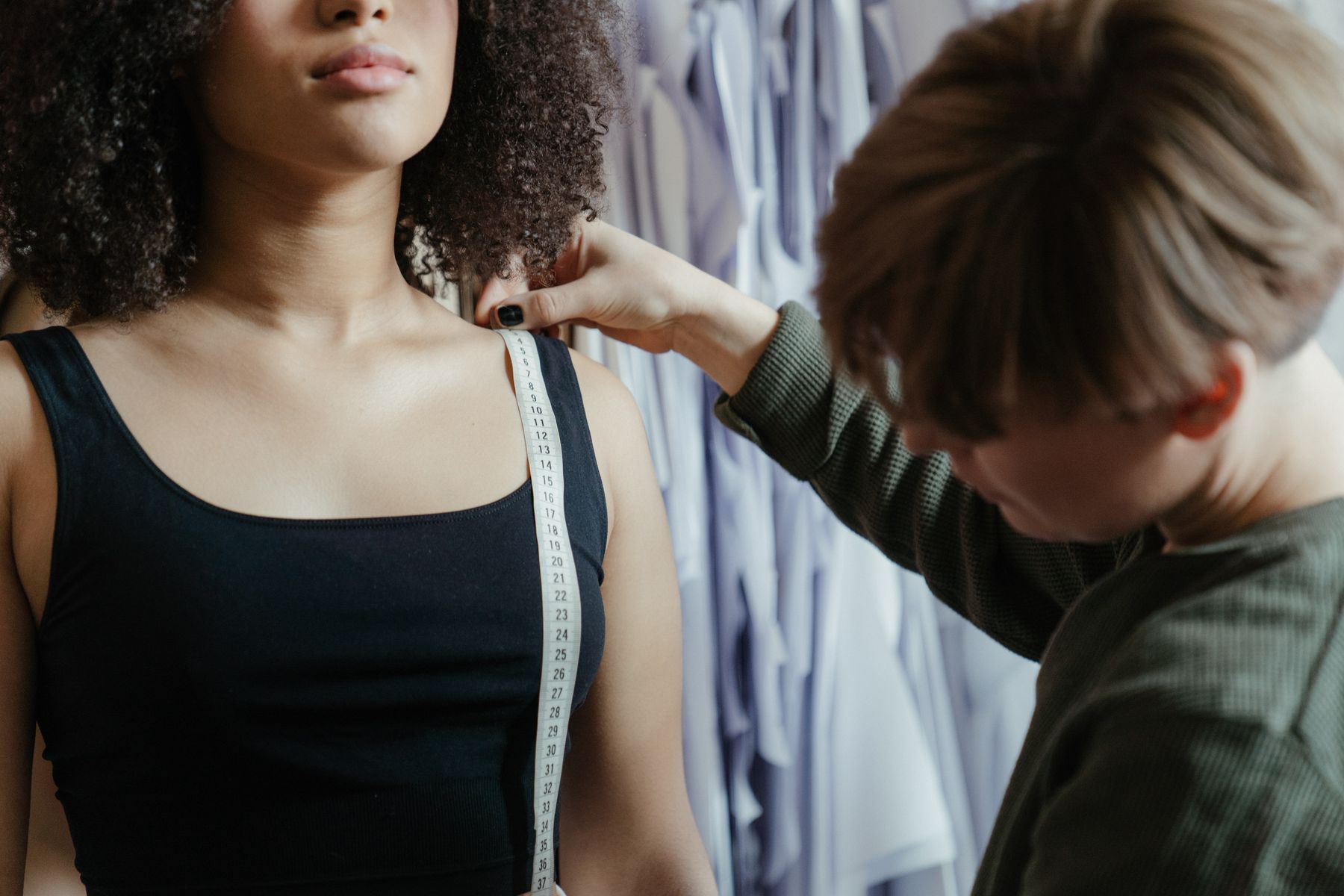
Test bodice fit before cutting the full skirt because bodice problems affect comfort, neckline coverage, and where the long skirt hangs. A small bodice muslin uses little fabric and can prevent a full-length project from failing.
Check bust point, armhole, strap length, back width, waist seam, and neckline gape. Wear the bra or underlayer planned for the dress. A strapless, square-neck, or wrap bodice needs more testing than a relaxed tank shape.
For another dress project with high fit stakes, compare the bodice planning in our wedding dress sewing pattern guide. The same muslin habit helps casual dresses too.
What Skirt Shape Works Best for a Maxi Dress?
The best skirt shape depends on fabric, movement, and where you want volume. A gathered rectangle is easy, but it can bulk at the waist. An A-line skirt gives cleaner fall. A tiered skirt adds movement but increases hemming and seam finishing.
Compare the waist seam and hip sweep before choosing. Too much fabric at the waist can overwhelm lightweight bodies. Too little sweep can limit walking. A side slit, wrap front, or wider hem can add movement without changing the whole dress.
Tier placement matters too. A tier seam at the widest part of the hip can add bulk, while a lower tier can keep the upper dress cleaner. Mark tier heights on your body before cutting.
For beach or travel dresses, leave enough stride room for walking quickly. For event dresses, test sitting and stairs. The same maxi length behaves differently when the dress is casual, formal, or layered.
If you like cleaner skirt shaping, review our A-line skirt sewing pattern guide. Many maxi dresses use the same flare logic at a longer length.
Common Maxi Dress Pattern Mistakes to Avoid
The most common mistake is ignoring fabric weight. A full maxi skirt creates downward pull, and that weight can stretch straps, drop waist seams, or make an elastic waist feel heavier than expected.
Another mistake is hemming too soon. Drapey fabrics can relax after hanging, especially along bias areas or tier seams. Let the dress hang overnight before marking the hem from the floor.
Do not skip movement tests. Sit, climb stairs, take a full stride, and raise your arms before final hemming. A dress can look perfect in a mirror and still be hard to wear outside the sewing room.
- Do not cut max length blindly. Check finished length against your height and shoes.
- Do not ignore opacity. Sunlight can reveal sheer fabric in long skirts.
- Do not overfill the waist. Too much gathered fabric can add uncomfortable bulk.
How Do You Hem a Maxi Dress Cleanly?
Hem the dress after the bodice, waist, and closures are finished because each detail changes how the skirt hangs. Let the dress rest on a hanger overnight if the fabric is drapey or cut with bias areas.
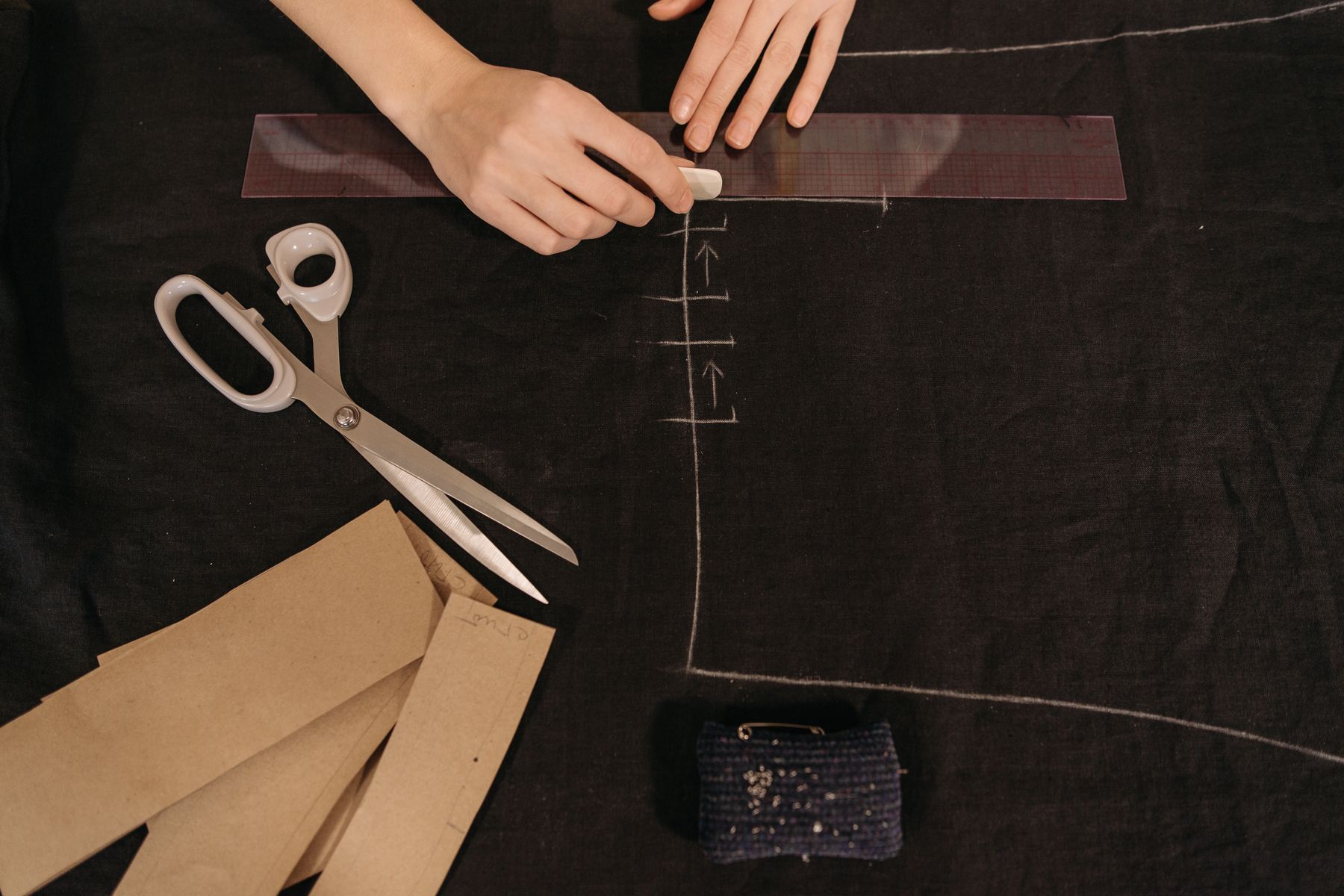
Mark the hem while wearing the dress and planned shoes. Use a ruler from the floor, a chalk hem marker, or a helper. Do not rely only on measuring down from the waist because bodies and fabrics rarely hang perfectly evenly.
Choose a hem by fabric weight. A narrow double-fold hem suits rayon, lawn, and lightweight jersey. A deeper pressed hem can stabilize linen or cotton. A rolled hem can work for very light fabric if your machine handles it cleanly.
What Should You Check Before Sewing the Final Maxi Dress?
Before sewing the final maxi dress, confirm the view, size blend, bust adjustment, waist placement, skirt length, fabric width, print direction, and required notions. Long pattern pieces use more fabric, so layout mistakes can be hard to fix.
Cut single layer for slippery or directional fabric if needed. Keep long skirt panels supported on the table so their weight does not pull them off grain. Label front, back, lining, facing, and tier pieces before moving them.
Sew the first version in fabric you like but can replace. A wearable test gives real information about stride, straps, neckline, and hem. Once those points work, the pattern can become a repeatable summer dress.
Keep the altered pattern and a fabric swatch together. Note how much the dress dropped overnight, what hem depth worked, and whether the neckline needed stay tape, elastic, or extra topstitching.
Those notes matter because maxi dresses often become repeat projects. Once the bodice and length are solved, a new fabric, sleeve, neckline, or skirt tier can create a different dress with much less fitting work.
Frequently Asked Questions
Is a maxi dress sewing pattern good for beginners?
Yes, if the pattern has a simple bodice, clear instructions, and stable fabric recommendations. Avoid lined bodices, slippery fabrics, and complex closures for the first version.
What fabric is best for a maxi dress?
Rayon challis, viscose, cotton lawn, double gauze, linen blends, crepe, and soft jersey are common choices. Match soft fabric to flowing skirts and crisp fabric to structured shirt-dress shapes.
How much fabric do I need for a maxi dress?
Most adult maxi dresses need more yardage than knee-length dresses because of skirt length and sweep. Check the pattern envelope by size, view, fabric width, nap, and whether the design has tiers or sleeves.
How do I stop a maxi dress from dragging?
Adjust length at lengthen-shorten lines before cutting, then mark the final hem while wearing the dress and shoes. Let drapey fabric hang overnight before trimming the hem.
Sources
- Semrush keyword export, Pattern Lab Co workspace, retrieved 2026-07-21.
- Tilly and the Buttons, How to Select Your Sewing Pattern Size, retrieved 2026-07-21.
- Love Notions, What sewists need to know about Ease, retrieved 2026-07-21.
- Seamwork, How to Choose Fabric for Sewing, retrieved 2026-07-21.
