Sewing Patterns
Free Tank Top Sewing Pattern: Fit and Fabric Guide
Jul
A free tank top sewing pattern is a smart first garment only when the fit, fabric, and neckline finish match your skill level. In the local Semrush export, “free tank top sewing pattern” shows 590 monthly searches with keyword difficulty 6, making it a useful beginner tutorial keyword for Pattern Lab Co.
This guide explains how to choose a free tank pattern, compare knit and woven options, check bust and armhole coverage, sew neckline binding, and turn a free download into a tank you will actually wear.
Key Takeaways
- Choose the tank pattern by fabric type first: knit tanks and woven tanks need different ease and finishes.
- Check bust, high bust, armhole depth, strap width, and finished garment measurements before cutting.
- Test binding or bands on scraps because neckline recovery decides whether the tank lies flat.
- A free pattern still needs a muslin, notes, and careful printing so the fit can be repeated.
What Makes a Free Tank Top Sewing Pattern Worth Using?
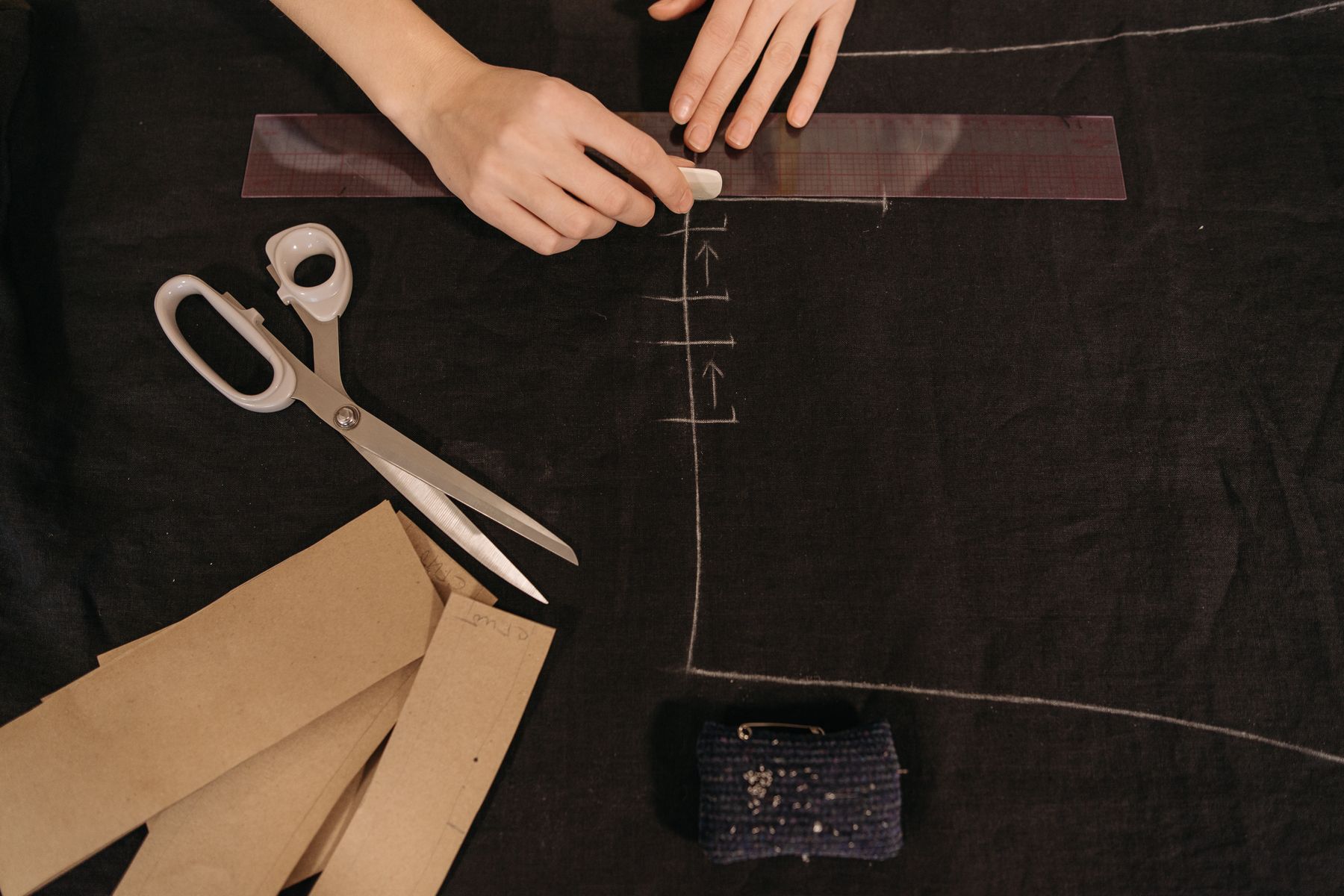
A free tank top pattern is worth using when it includes clear sizing, finished measurements, seam allowance, fabric recommendations, and readable instructions. Mood Fabrics maintains a large free pattern library, but every free pattern still needs the same fit checks as a paid one.
Look for a pattern that states whether it is for knit or woven fabric. A knit tank often uses negative or very small ease. A woven tank usually needs bust darts, side shaping, or extra ease so you can move comfortably.
If you are new to pattern sheets, use our how to read a sewing pattern guide before printing, taping, and cutting a free PDF pattern.
How Do You Choose the Right Tank Top Size?
Choose the size from high bust, full bust, waist, and finished garment measurements. Tilly and the Buttons explains that pattern sizing differs from store sizing, so the printed size is only a starting point.
For knit tanks, compare the finished bust to your fabric stretch. A rib knit can recover well with close fit. A loose jersey may grow through the day. For woven tanks, choose enough bust and upper-back room for reaching forward.
Check the side seam from armhole to hem. If the tank pulls toward the back, the upper chest may be too narrow. If the hem swings forward, the bust or hip may need more room.
For a close knit tank, remember that negative ease should feel supported, not strained. If the fabric turns sheer or the side seams twist while worn, the size or fabric recovery is not right for that pattern.
Blend sizes if bust, waist, and hip do not match one column. A tank top is small, so small changes show quickly at the armhole, neckline, and side seam. Trace the pattern so you can adjust without losing the original.
Which Fabric Works Best for a Tank Top?
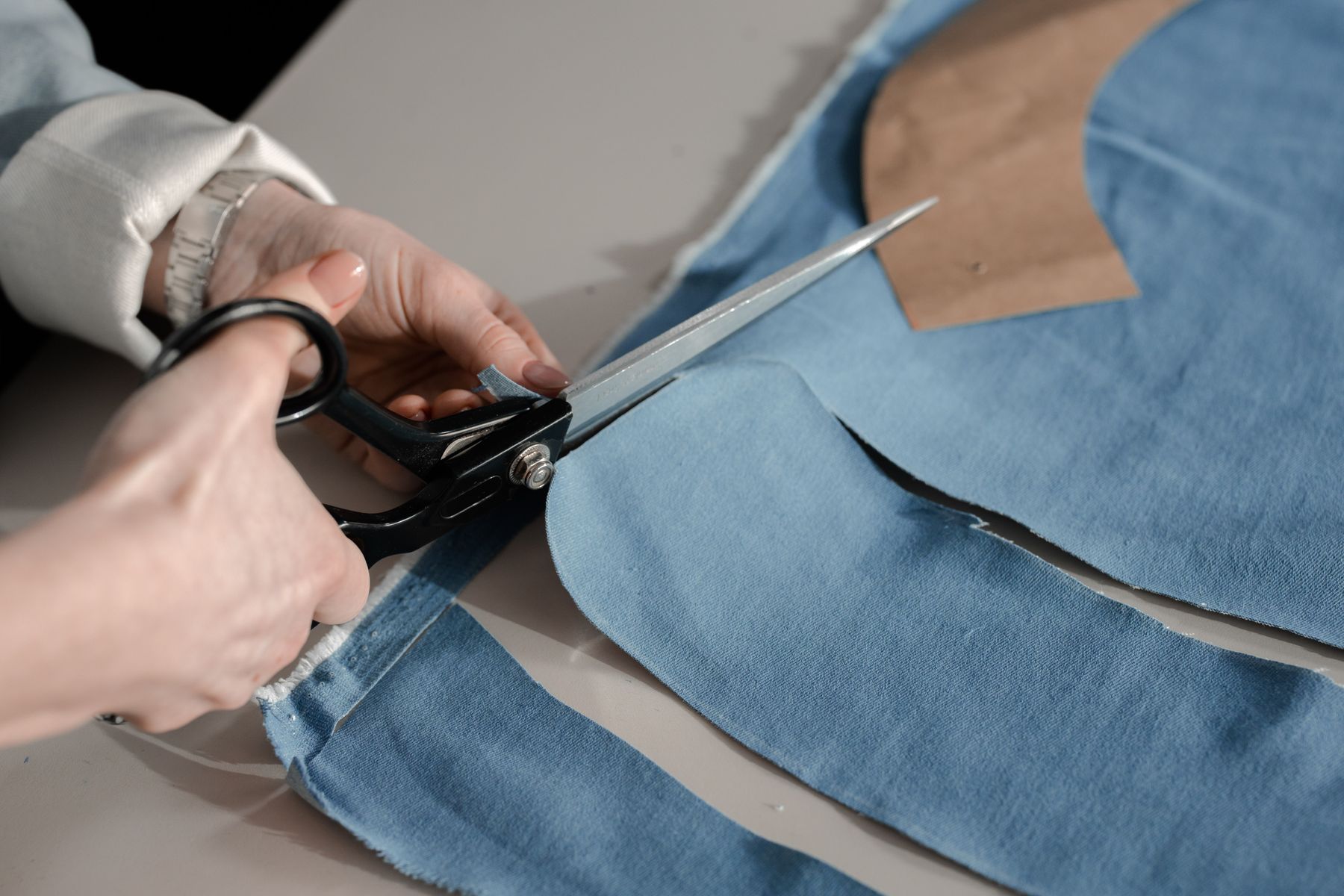
Fabric choice decides whether a tank top is fitted, relaxed, dressy, or useful for layering. Love Notions explains that ease controls how a garment sits around the body, and stretch fabric changes that calculation.
Cotton jersey, rib knit, bamboo jersey, rayon spandex, ponte, linen, cotton lawn, and lightweight woven blends can all work if the pattern is designed for them. Do not swap knit and woven fabric unless the pattern gives both options.
Check opacity, recovery, and curl before cutting. Thin white jersey can become sheer. Rayon jersey can grow. Rib knit can shrink in width after washing. A quick swatch test tells you more than the pattern photo.
How Should You Check Armhole and Neckline Coverage?
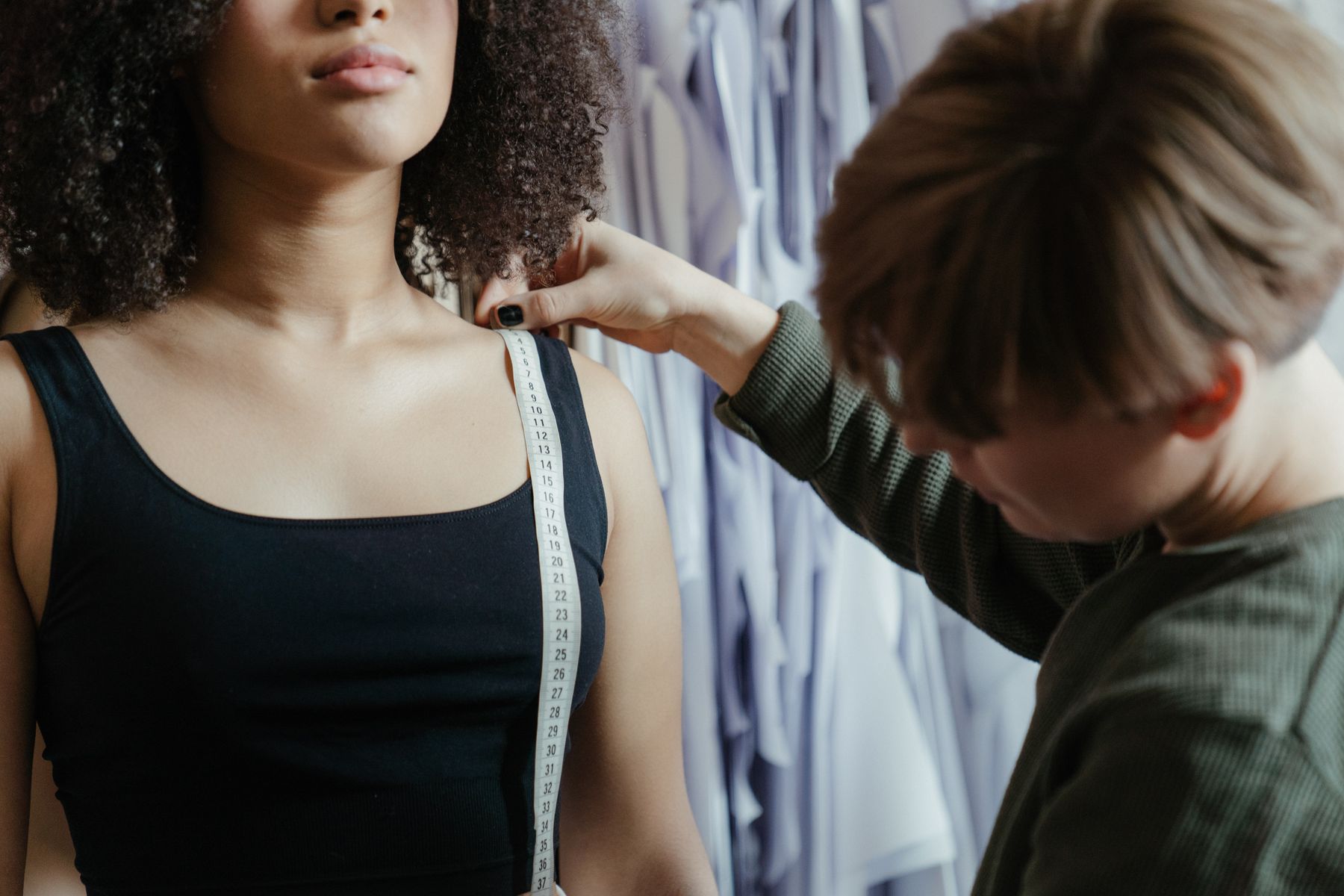
Check armhole and neckline coverage before sewing final binding because those edges become harder to alter after finishing. A quick try-on with basted side seams shows whether the tank covers the bra, sits smoothly, and feels comfortable.
Compare strap width, shoulder position, armhole depth, and neckline depth to a tank you already wear. If the armhole gaps, pinch out the excess on the pattern. If the neckline stands away, binding length or shoulder slope may need adjustment.
A tank used for layering can have lower armholes than a tank worn alone. Decide that purpose before trimming seam allowances. Coverage that feels fine under a cardigan may feel too exposed by itself.
Use contrasting basting thread around the neckline and armholes on the test version. The bright stitching makes small gapes, pulls, and uneven curves easier to see in mirror photos.
For another knit garment comparison, read our t-shirt sewing pattern knit fit guide. Neckline recovery and stretch direction matter in both garments.
What Is the Best Neckline Finish for Beginners?
The easiest neckline finish depends on fabric. Knit tanks usually use a neckband, fold-over binding, or turned-and-stitched edge. Woven tanks often use bias binding, facings, or a lined yoke.
Bands need the right length. Too long, and the neckline waves. Too short, and it puckers. Many knit bands work best slightly shorter than the neckline, but the exact amount depends on fabric recovery.
Bias binding is useful for woven tanks because it curves around armholes and necklines cleanly. Press it carefully and do not stretch the garment edge while applying it. Staystitch curved woven edges before handling them heavily.
Common Free Tank Pattern Mistakes to Avoid
The most common mistake is assuming free means fast. A free PDF can still need printing accuracy, taping, tracing, size blending, fabric testing, and binding practice before it becomes wearable.
Another mistake is ignoring stretch percentage. A pattern drafted for 50 percent stretch will not fit the same in a stable ponte or woven linen. Check the test square, stretch guide, and fabric recommendations first.
Do not finish the neckline before testing armhole coverage. If the tank shows undergarments or pulls across the bust, solve that fit issue before adding binding, topstitching, or decorative trim.
- Do not skip the print test square. A scaling error changes every measurement.
- Do not use tired knit fabric. Poor recovery makes necklines and armholes wave.
- Do not guess band length. Test a sample before sewing the visible neckline.
How Can One Free Tank Pattern Become Several Tops?
One tank pattern can become several tops once the bust, armhole, and neckline fit are solved. Change length, strap width, neckline shape, hem finish, fabric, or layering purpose one version at a time.
Make a fitted rib tank, a relaxed jersey tank, a woven linen shell, or a sleep tank from the same starting block only if the fabric and ease are adjusted. Keep notes on each version so the next one is faster.
For a wardrobe-building approach, compare this repeat-pattern method with our wrap pants sewing pattern guide. Simple repeats are where handmade wardrobes become practical.
What Should You Check Before Cutting the Final Tank?
Before cutting the final tank, confirm the printed scale, size blend, fabric stretch, grainline or greatest stretch direction, seam allowance, hem allowance, and neckline finish. Small garments leave less room to hide mistakes.
Prewash fabric the same way you plan to wash the finished top. Knits and linen can shrink, twist, or relax. Press gently before cutting so the fabric lies flat without being stretched out of shape.
Cut a wearable test first if the fabric is special. A tank top uses little yardage, so testing is efficient. Once the fit works, save the altered pattern with notes on band length, needle, stitch, and fabric recovery.
After sewing, record the exact band ratio or binding length that worked. That one note can save more time than any shortcut because neckline finishing is usually the part that decides whether the tank looks handmade or polished.
Store the test tank with the pattern if it is not wearable. It becomes a three-dimensional note for armhole depth, strap width, and neckline shape, which is often clearer than numbers written on paper.
Frequently Asked Questions
Is a free tank top sewing pattern good for beginners?
Yes, if the pattern has clear instructions, fabric recommendations, seam allowance, and finished measurements. A simple knit tank or woven shell can teach useful skills without using much fabric.
Can I sew a tank top without a serger?
Yes. Use a zigzag stitch, lightning stitch, stretch stitch, or twin needle for knits. Woven tanks can be sewn with straight stitches and finished with French seams, zigzag edges, or bias binding.
What fabric should I use for a first tank top?
Use cotton jersey, rib knit, stable bamboo jersey, cotton lawn, linen, or lightweight woven fabric that matches the pattern. Avoid slippery fabric and poor-recovery knits for the first version.
How do I stop a tank neckline from gaping?
Check shoulder fit, neckline shape, and binding length. For knits, the band may be too long or the fabric may lack recovery. For wovens, staystitching and small neckline adjustments can help.
Sources
- Semrush keyword export, Pattern Lab Co workspace, retrieved 2026-07-21.
- Mood Fabrics, Free Sewing Patterns, retrieved 2026-07-21.
- Tilly and the Buttons, How to Select Your Sewing Pattern Size, retrieved 2026-07-21.
- Love Notions, What sewists need to know about Ease, retrieved 2026-07-21.
