Sewing Patterns
Hood Sewing Pattern: Fit, Shape, and Fabric Guide
Jul
A hood sewing pattern looks simple on paper, but small choices in depth, opening shape, neckline length, and fabric weight decide whether the hood feels comfortable. In the local Semrush export, “hood sewing pattern” shows 1,300 monthly searches with keyword difficulty 4, giving Pattern Lab Co a strong low-competition garment keyword.
This guide explains how to choose a hood pattern, match it to a sweatshirt, jacket, robe, cape, or coat, test the neckline seam, add lining, and avoid the bulky mistakes that make hoods pull or collapse.
Key Takeaways
- Choose a hood by neckline length, depth, face opening, shoulder balance, and whether it needs lining.
- Stable knits, fleece, boiled wool, soft coating, linen, and sweatshirt fabric all need different seam finishes.
- Test the hood on the garment neckline before finishing drawcords, lining, snaps, or topstitching.
- A hood can change garment balance, so check how it sits while standing, walking, and wearing layers.
What Makes a Hood Sewing Pattern Fit Well?
A hood fits well when the neckline seam matches the garment, the face opening frames the head, and the back depth gives enough room without dragging the garment backward. Threads Magazine explains that a hood can be drafted from neckline measurements, which is why that seam matters first.
Do not choose a hood only because the side profile looks dramatic. A deep hood can feel cozy, but it may cover the eyes. A shallow hood looks neat, but it may slide off. The right choice depends on the garment purpose and fabric.
If you are still building confidence with pattern markings, review our how to read a sewing pattern guide before changing hood seam lines or grainlines.
How Do You Match a Hood to a Garment Neckline?
Match the hood to the finished neckline sewing line, not the outer paper edge. Seam allowances can hide a mismatch until the hood is pinned. Measure the garment neckline and hood neckline along the stitching line before cutting final fabric.
A sweatshirt hood usually needs stretch recovery and a close neckline. A coat hood may need more height, lining, and room for hair or a collar. A robe hood can be softer and deeper because it does not need to block weather.
Pin the shoulder seams, center back, and center front before judging the fit. Those anchor points show whether the hood belongs to the garment or whether it is being forced into a neckline that needs redrafting.
If the neckline has already stretched, stay tape or careful easing can help, but it will not fix a major drafting mismatch. Recheck the paper pattern before blaming the fabric.
For garments with sleeves and shoulder structure, compare the shoulder logic in our jacket sewing pattern guide. A hood adds weight exactly where shoulder balance already matters.
Which Fabric Works Best for a Hood?
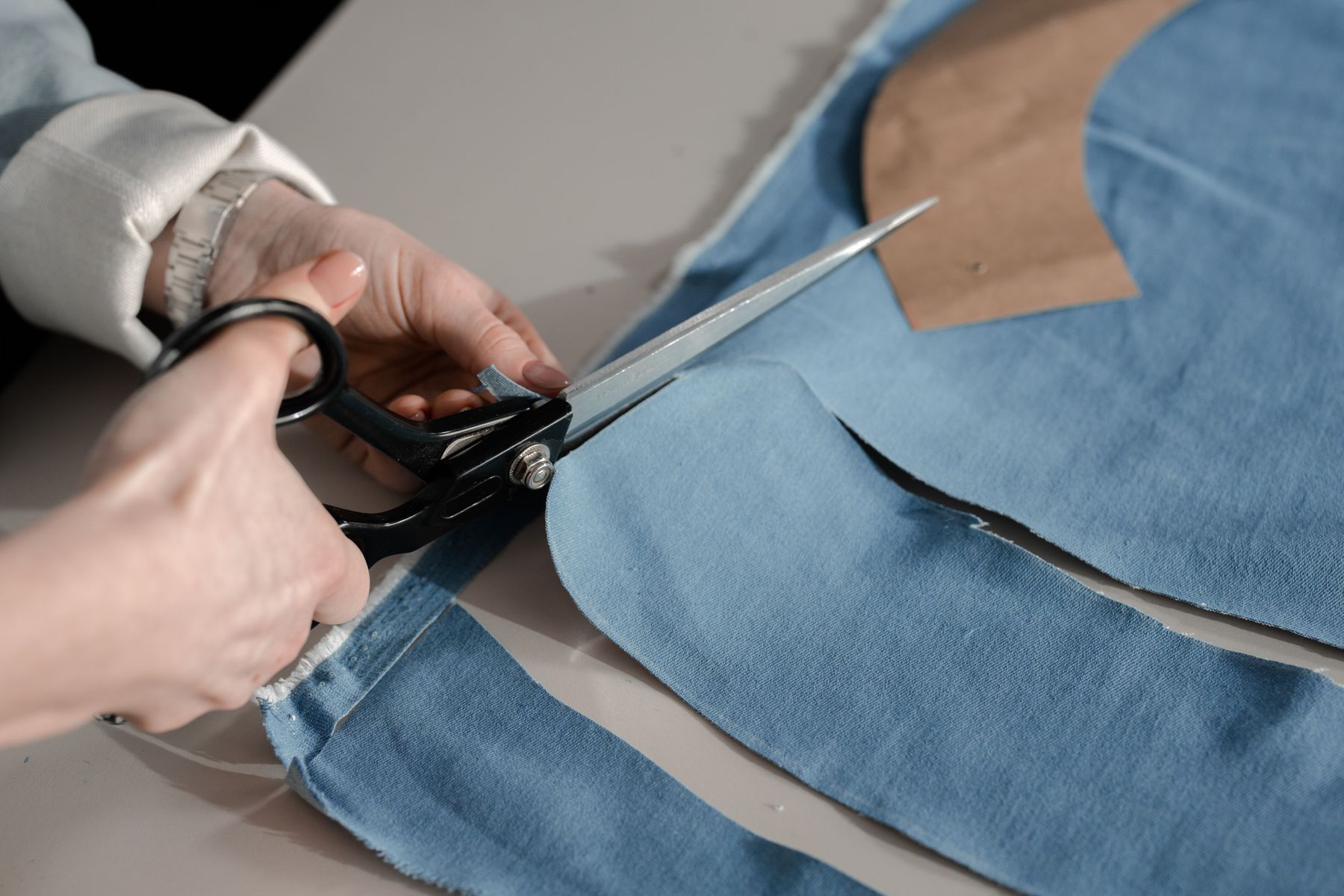
The best fabric depends on the garment. Sweatshirt fleece, French terry, polar fleece, boiled wool, soft coating, linen, cotton twill, and waterproof shell can all work, but each creates a different hood shape.
Fabric with body holds the hood opening away from the face. Drapey fabric collapses softly and may need lining or interfacing. Heavy fabric can pull backward, especially on a lightweight garment, so test the hood weight before attaching it permanently.
If the main fabric is scratchy, loose, or waterproof, consider lining the hood. Jersey, cotton lawn, flannel, and lightweight satin can make the inside smoother. Lining also hides seams, but it adds thickness at the neckline.
How Should You Test Hood Depth and Face Opening?
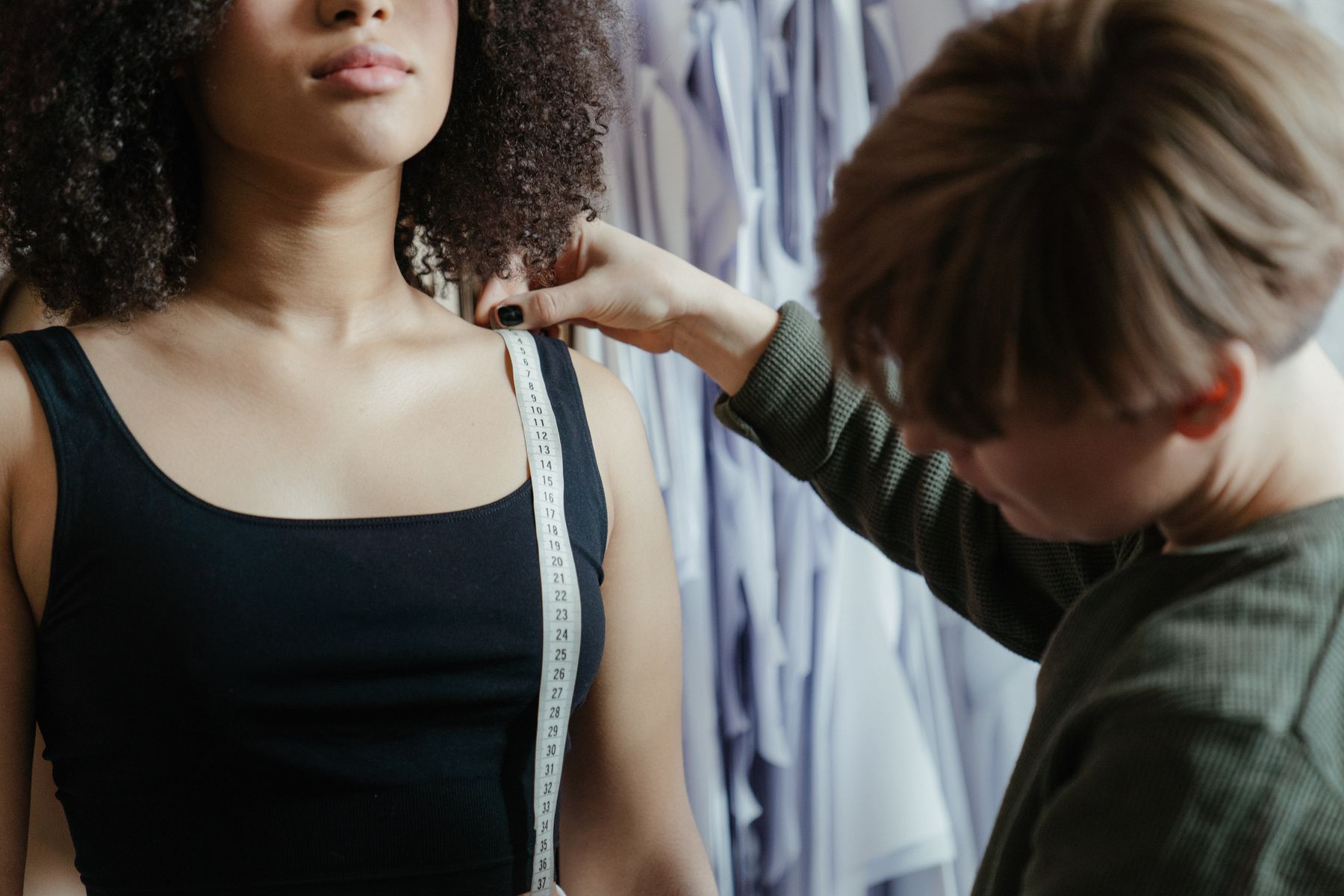
Test hood depth by basting the hood to the garment and wearing it for real movement. Seamwork recommends checking intended fabric and garment details before sewing, and hood testing follows the same logic because fabric behavior changes the result.
Look forward, turn your head, sit down, and layer the garment over the clothes you expect to wear. If the hood pulls at the throat, add neckline room or adjust the front opening. If it falls into your eyes, reduce front depth.
Mark the face opening before adding drawcord channels or binding. Those details lock the edge in place. A small adjustment before finishing is easy; a small adjustment after topstitching can leave visible holes.
What Hood Details Are Worth Adding?
Useful hood details include lining, a facing, drawcord channel, center-back seam shaping, topstitching, binding, snaps, or a small brim. Choose details by purpose. A lounge hoodie needs softness. A rain layer needs coverage and stability.
Drawcords need safe placement and reinforced buttonholes or eyelets. Keep cord exits even and far enough from the seam allowance. If the hood is for a child, avoid long loose cords and use safer closure choices.
Topstitching can flatten thick seams and help the hood edge roll correctly. Test stitch length on scraps first. Bulky fleece may need a walking foot, while thin jersey may need a stretch needle and gentle presser-foot pressure.
A removable hood needs even more planning because snaps, buttons, or zipper tape add weight to the neckline. Test the closure on scraps and make sure the garment still hangs well when the hood is removed.
For a clean everyday hood, keep the first version plain. Once the fit works, add decorative topstitching, contrast lining, toggles, or cord stops to later versions instead of solving every detail at once.
Common Hood Pattern Mistakes to Avoid
The most common mistake is attaching a hood before checking neckline length. A hood that is too short pulls the front neckline upward. A hood that is too long creates tucks, twists, or a bulky center front.
Another mistake is ignoring fabric weight. A double-layer fleece hood can overwhelm a light jersey top. A single-layer linen hood may feel limp on a structured coat. The hood and garment should feel like the same design decision.
Do not finish the opening before testing visibility. Hood depth changes once seams are sewn, lining is added, and topstitching controls the edge. Baste first, then decide whether the opening needs reshaping.
- Do not measure along cut edges. Measure stitching lines for accurate neckline matching.
- Do not skip staystitching. Curved hood openings can stretch while handled.
- Do not forget layer bulk. Lining, facing, and drawcords all stack at the front edge.
How Can You Add a Hood to an Existing Pattern?
Add a hood by measuring the neckline sewing line and choosing or drafting a hood with the same seam length. Decide whether the hood replaces a collar, attaches behind a collar, or sits inside a facing.
Trace the original neckline and mark center back, shoulder seams, and center front. Those points help you distribute any tiny easing evenly. If the garment has a zipper or button placket, check where the hood front edge should end.
When adjusting a pattern, use the same tracing habits from our vest sewing pattern guide. Neckline, shoulder, and armhole changes should stay readable on the paper.
What Should You Check Before Sewing the Final Hood?
Before sewing the final hood, confirm the neckline length, fabric direction, lining choice, seam finish, face opening, and drawcord or closure plan. Cut mirrored pieces carefully so the hood does not twist.
Baste the hood to the garment and try it on before trimming seam allowances. Check front pull, shoulder balance, visibility, and whether the hood still works with hair, collars, scarves, or layers.
Finally, press with care. Fleece can flatten, waterproof fabric can melt, and wool can shine. Test heat, steam, clapper pressure, and pressing cloth on scraps before touching the visible hood edge.
Save the final hood pattern with notes about fabric, lining, seam allowance, drawcord length, and any neckline easing. Those details make the next hooded sweatshirt, cape, robe, or jacket much faster to sew.
Also note whether the hood was worn up, down, or mostly decorative. A practical weather hood needs coverage. A style hood can be smaller and lighter because it spends most of its time resting on the back.
Frequently Asked Questions
Can I add a hood to any sewing pattern?
You can add a hood to many tops, jackets, robes, and coats if the neckline seam is compatible. Measure the sewing line, check closures, and make a test hood before changing final fabric.
Should a hood be lined?
A hood should be lined when the outer fabric is scratchy, sheer, waterproof, loosely woven, or visually unfinished inside. Unlined hoods can work well in fleece, sweatshirt knit, and cleanly finished wool.
How do I stop a hood from pulling backward?
Reduce hood weight, check neckline length, and make sure the back depth is not excessive. A heavy double hood on a light garment often pulls backward even when the paper pattern matches.
What seam finish is best for a hood?
The best seam finish depends on fabric. Use serging or zigzag for knits, flat-felled or bound seams for unlined woven hoods, and trimmed graded seams for lined coat hoods.
Sources
- Semrush keyword export, Pattern Lab Co workspace, retrieved 2026-07-21.
- Threads Magazine, How to Draft a Hood, retrieved 2026-07-21.
- Seamwork, Guide to Sewing Coats and Jackets, retrieved 2026-07-21.
- Tilly and the Buttons, How to Select Your Sewing Pattern Size, retrieved 2026-07-21.
