

Blog, Garment Projects
Dress Pattern Sewing: 7 Easy Fit Tips for Beginners
May
Dress Pattern Sew: Complete Sewing Guide for Handmade Results
Sewing your own clothes is not only a fulfilling hobby but also a fantastic way to express your personal style. With a dress pattern sew, you can create unique garments tailored to your body and preferences. Whether you’re a beginner or have some experience, this guide will help you navigate the world of dress patterns, from selecting the right one to sewing it up with confidence.
Table of Contents
- Understanding Dress Patterns
- Choosing the Right Dress Pattern
- Fabric Selection Tips
- Fitting Your Dress
- Step-by-Step Sewing Process
- Common Mistakes to Avoid
- Frequently Asked Questions
- Conclusion
Understanding Dress Patterns
A sewing pattern is a template that guides you through the process of cutting and sewing fabric into a finished garment. Understanding the components of a dress pattern is crucial for a successful sewing experience. Here are some key terms:
- Pattern pieces: The individual shapes that are cut from fabric.
- Seam allowance: The area between the edge of the fabric and the stitching line, typically 5/8 inch for most patterns. Learn more about seam allowance.
- Grain: The direction of the fabric threads, important for ensuring the garment hangs correctly. Check the grain for accurate cutting.
- Notches: Small marks on the pattern pieces that guide you in aligning pieces correctly when sewing.
Choosing the Right Dress Pattern
When selecting a dress pattern, consider your skill level and the complexity of the design. Here are some tips:
- Start with easy dress patterns if you are a beginner. Patterns labeled as “easy” often have fewer pieces and less complicated construction.
- Look for free dress patterns as a way to practice without financial commitment. Many websites offer sewing patterns free for download.
- Consider styles that flatter your body type. A-line dresses work well for most shapes, while fitted styles may require more fitting skills.
For example, check out the Chic Ruffle Dress Sewing Pattern and the Easy Sundress Sewing Pattern for beginner-friendly options.
Fabric Selection Tips
The fabric you choose can make or break your dress pattern sew project. Here are some guidelines to help you select the right fabric:
- Choose fabric that matches the pattern’s requirements. For instance, lightweight cotton is perfect for summer dresses, while heavier fabrics suit structured designs.
- Check the fabric’s drape. A flowy fabric might suit a maxi dress, while a stiffer fabric works better for structured styles.
- Experiment with prints and colors that reflect your personality. Floral patterns can make for beautiful summer dresses.
Don’t forget to check out our guide on choosing high-quality sewing patterns for more tips!
Fitting Your Dress
A well-fitted dress is essential for a polished look. Here’s how to achieve the best fit:
- Take your measurements: Measure your bust, waist, and hips accurately to select the correct size from the pattern.
- Make a muslin: Consider creating a test version of your dress using inexpensive fabric to check the fit before cutting into your final material.
- Adjust as needed: Don’t hesitate to make adjustments to the pattern pieces based on your fitting test.
Step-by-Step Sewing Process
Once you’ve chosen your pattern and fabric, it’s time to sew! Here’s a simple workflow:
- Prepare your fabric: Wash and iron your fabric before cutting.
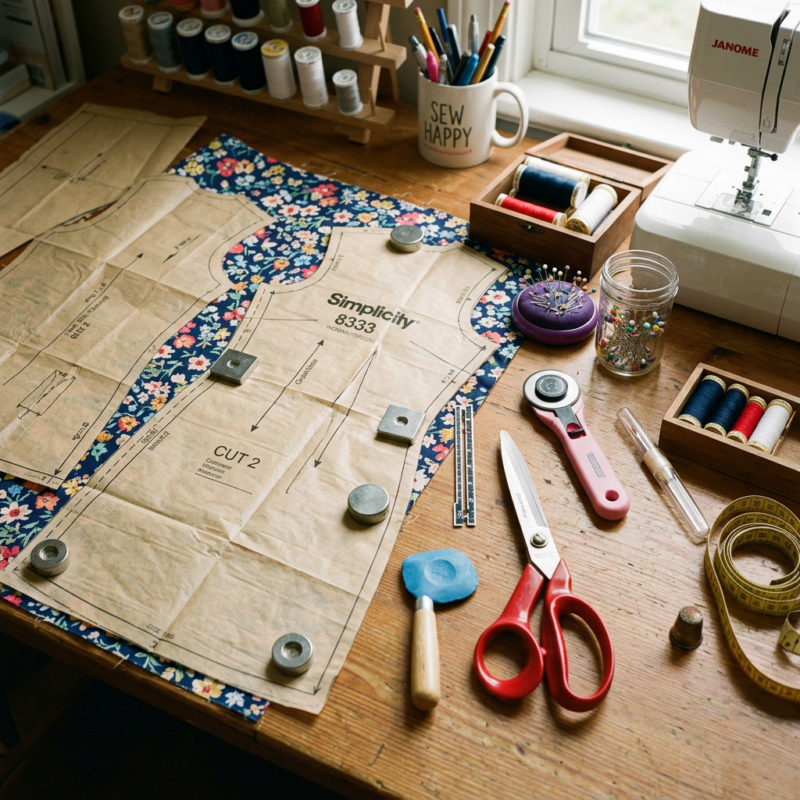
- Cut the pattern pieces: Use weights or pins to secure the pattern and cut carefully along the edges.
- Mark notches and seams: Use tailor’s chalk or fabric markers to mark notches and any additional markings on the fabric.
- Sew the pieces together: Follow the instructions carefully, always referring back to your pattern guide.
- Finish edges: Use a serger or zigzag stitch to finish edges and prevent fraying.
- Press your seams: Press as you go to keep your garment neat and tidy.
For further inspiration, check out the V-Neck Dress Sewing Pattern and the T-Shirt Dress Sewing Pattern.
Common Mistakes to Avoid
As with any skill, there are pitfalls to watch out for. Here are some common mistakes and how to avoid them:
- Skipping the pre-wash: Always pre-wash your fabric to avoid shrinkage after sewing.
- Ignoring the pattern instructions: Follow the steps outlined in the pattern to avoid confusion and errors.
- Neglecting fit adjustments: Don’t skip fitting adjustments; they make a big difference in the final product.
Key Takeaways
- Choose beginner-friendly dress patterns to build confidence.
- Use free sewing patterns PDF to practice without cost.
- Always pre-wash fabric and check for fit before final assembly.
Frequently Asked Questions
Where can I find free sewing patterns?
You can find numerous free sewing patterns available for download on various sewing websites, including our own.
What is the best fabric for a beginner dress project?
Lightweight cotton or cotton blends are great choices for beginners as they are easy to work with and forgiving if you make mistakes.
How do I adjust a dress pattern for a better fit?
Take accurate measurements and make a muslin to test the fit. Adjust the pattern by adding or removing fabric as needed before cutting into your final material.
Can I use a dress pattern for other clothing items?
Yes! Many dress patterns can be adapted for other garments by altering lengths or adding/remove sections.
Conclusion
Sewing a dress using a dress pattern sew can be a rewarding experience that helps you develop your sewing skills while creating something uniquely yours. Remember to choose the right pattern, select appropriate fabrics, and pay attention to fitting for the best results. With practice and patience, you’ll soon find yourself mastering the art of dressmaking.
Ready to start your sewing journey? Check out our Easy Sundress Sewing Pattern and unlock your creativity!
FAQ
Are dress pattern sew good for beginners?
They can be beginner-friendly when the pattern uses simple seams, clear instructions, and forgiving fabric choices. If the project has lining, tight curves, or complex closures, consider starting with an easier version first.
What fabric works best for dress pattern sew?
Use the fabric types recommended by the pattern designer and match the weight to the finished look you want. When you swap fabric, test stitches and pressing on scraps so you know how the fabric behaves before cutting.
How do I choose the right size for dress pattern sew?
Use the size chart and finished measurements, not only the size label. If you are between sizes, it is usually safer to start with the larger size and adjust during fitting or test the pattern with inexpensive fabric first.
Should I make a test version before cutting my final fabric?
If the project has fitting, curves, or expensive fabric, a quick test version saves time and money. It helps you check size, construction order, and comfort before committing to your final materials.
Further Reading (External)
- Wikipedia: Sewing pattern
- Wikipedia: Seam allowance
- Wikipedia: Grain (textile)
- Wikipedia: Bias
- Threads Magazine
