
Blog
The Ultimate Guide to Modern Sewing Patterns: Elevate Your Wardrobe in 2026
May
In an era of fast fashion and mass-produced garments, the art of sewing your own clothes has seen a magnificent resurgence. No longer just a hobby for the “crafty,” sewing has become a powerful form of self-expression, a commitment to sustainability, and a path to achieving the perfect fit. At the heart of this movement are sewing patterns—the architectural blueprints that transform a length of fabric into a wearable masterpiece.
Whether you are a seasoned sewist or a curious beginner, understanding the landscape of modern sewing patterns is essential. This comprehensive guide explores everything from the rise of digital PDF patterns to the top trends of 2026, providing you with the knowledge and inspiration to create a wardrobe you truly love.
Why Sew Your Own Clothes? The Benefits Beyond the Stitch
Before diving into the technicalities of patterns, it is important to understand why millions are returning to the sewing machine. The benefits are multifaceted:
1. The Power of Personalization
When you sew your own clothes, you are the designer. You choose the fabric, the color, the buttons, and the silhouette. You can take a basic pattern and “hack” it—adding pockets, changing the neckline, or lengthening the hem—to create a garment that is uniquely yours.
2. Achieving the Perfect Fit
One of the most frustrating aspects of ready-to-wear fashion is the “standard” sizing that rarely fits anyone perfectly. Sewing patterns allow you to blend sizes, adjust for height, and make specific alterations like a “Full Bust Adjustment” (FBA) or “Small Bust Adjustment” (SBA). The result is clothing that feels like a second skin.
3. Sustainability and Ethical Fashion
By making your own clothes, you take a stand against the environmental and ethical issues associated with the fast fashion industry. You control the quality of the materials and ensure that the labor behind the garment—your own—is valued.
Understanding Different Types of Sewing Patterns
The world of sewing patterns has evolved significantly. Today, makers have two primary ways to access designs:
Traditional Paper Patterns
These are the physical patterns you find in craft stores, often from the “Big Four” companies (McCall’s, Simplicity, Vogue, and Butterick). They come printed on thin tissue paper inside a paper envelope. While they offer a nostalgic experience, they can be delicate and difficult to store once cut.
Digital PDF Sewing Patterns
The rise of independent (indie) designers has made PDF sewing patterns the gold standard for modern makers. These are digital files that you download instantly. They typically include:
- Print-at-Home (A4/US Letter): You print these on a standard home printer and tape the pages together.
- Copy Shop (A0): A large-format file that you can send to a professional printer to get a single, large sheet.
- Projector Files: A specialized file designed to be projected directly onto your fabric, eliminating the need for paper altogether.
Pro Tip: When printing PDF patterns at home, always print the “Test Square” page first and measure it with a ruler to ensure your printer settings are set to “100%” or “Actual Size.”
Top Sewing Pattern Trends to Watch in 2026
As we move through 2026, several key trends are dominating the sewing community. These styles reflect a blend of comfort, utility, and bold femininity.
1. “Librarian Chic” and A-Line Silhouettes
Expect to see a surge in structured yet feminine pieces. A-line skirts, modest necklines, and vintage-inspired collars are making a major comeback. Patterns like the Merchant & Mills Trapeze Dress provide the perfect minimalist base for this aesthetic.
2. Utility Details and “Workwear”
Functional fashion is at its peak. Think cargo pockets, epaulettes, and sturdy “shackets.” The Friday Pattern Company Ilford Jacket remains a staple for those looking to master the utility look, offering endless pocket configurations.
3. Romantic Volume: Puff Sleeves and Ruffles
Dramatic sleeves aren’t going anywhere. The Anna Allen Anthea Blouse continues to be a favorite for its dreamy, voluminous sleeves that look stunning in linen or cotton lawn.
4. The “Secret Pajamas” Movement
Sewists are increasingly looking for patterns that look professional but feel as comfortable as loungewear. Elastic-back trousers with flat fronts, like the Closet Core Pietra Pants, are the epitome of this trend.
A Comparison of Iconic Sewing Patterns for Your 2026 Projects
| Pattern Name | Designer | Skill Level | Best For |
|---|---|---|---|
| Anthea Blouse | Anna Allen | Intermediate | Romantic, voluminous tops |
| Pietra Pants | Closet Core | Confident Beginner | Sleek trousers with comfort |
| Zadie Jumpsuit | Paper Theory | Confident Beginner | Effortless, wrap-style one-pieces |
| Ilford Jacket | Friday Pattern Co. | Intermediate | Unisex utility wear and layering |
| Kielo Wrap Dress | Named | Confident Beginner | Dramatic silhouettes and comfort |
How to Choose the Right Fabric for Your Pattern
Selecting the right fabric is just as important as the pattern itself. Most patterns include a list of “Suggested Fabrics.” Here’s a quick guide to common choices:
- Woven Fabrics: These do not stretch. Examples include Linen (breathable and structured), Cotton Lawn (soft and lightweight), and Denim (durable and heavy).
- Knit Fabrics: These have built-in stretch. Examples include Jersey (used for T-shirts) and French Terry (used for sweatshirts).
Always check the “Stretch Percentage” requirement on the pattern envelope if you are working with knits. Using a fabric with too little stretch can result in a garment that is impossible to put on!
Step-by-Step: From Pattern Download to Finished Garment
If you are new to using digital patterns from a studio like Pattern Lab Co, here is the general workflow:
- Download and Save: Keep your PDF files organized in folders on your computer or cloud storage.
- Print and Assemble: Use the “layers” feature in Adobe Reader to print only your specific size. This makes the lines much easier to follow.
- Trace or Cut: Many sewists prefer to trace their patterns onto medical grade paper or Swedish tracing paper to preserve the original print.
- Layout and Cut Fabric: Follow the “Cutting Layout” diagram in the instructions to maximize your fabric usage. Pay close attention to the grainline—the direction of the threads in the fabric.
- Sew with Confidence: Follow the step-by-step instructions. Modern indie patterns often include detailed illustrations or even video tutorials to guide you through tricky steps like inserting a zipper or sewing a collar.
SEO Optimization for Your Sewing Blog
If you are using the Kadence theme for your website, you are already ahead of the curve. Kadence is known for its speed and clean code, which are vital for SEO. To ensure this article ranks well:
- Use Descriptive Alt Text: When uploading images of your finished projects, use alt text like “woman wearing handmade linen milkmaid top” instead of “IMG_1234.”
- Internal Linking: Link to your shop’s patterns within the text. For example, when mentioning modern designs, link directly to your Shop Patterns page.
- Optimize for Mobile: Kadence makes this easy, but always double-check that your tables and images look great on a smartphone.
- Focus on Long-Tail Keywords: Keywords like “easy-to-follow sewing patterns for beginners” or “modern PDF sewing patterns 2026” are more effective than just “sewing.”
Conclusion: Start Your Creative Journey Today
Sewing is more than just a skill; it’s a journey toward a more intentional and creative life. By choosing modern, well-tested patterns, you remove the guesswork and focus on the joy of making. Whether you’re stitching a simple top or a complex coat, remember that every stitch is a step toward a wardrobe that is uniquely, beautifully yours.
Ready to start your next project? Explore the latest collection of modern, easy-to-follow designs at Pattern Lab Co and discover the confidence that comes with creating your own clothes.
Sources and Further Reading
- The Fold Line: Iconic Patterns for 2026
- Sew Daily: Sewing Trends and Color Forecasts
- Dream Cut Sew: Spring 2026 Trends
- Sew Liberated: Guide to Digital Patterns
Essential Tools for Working with Modern Sewing Patterns
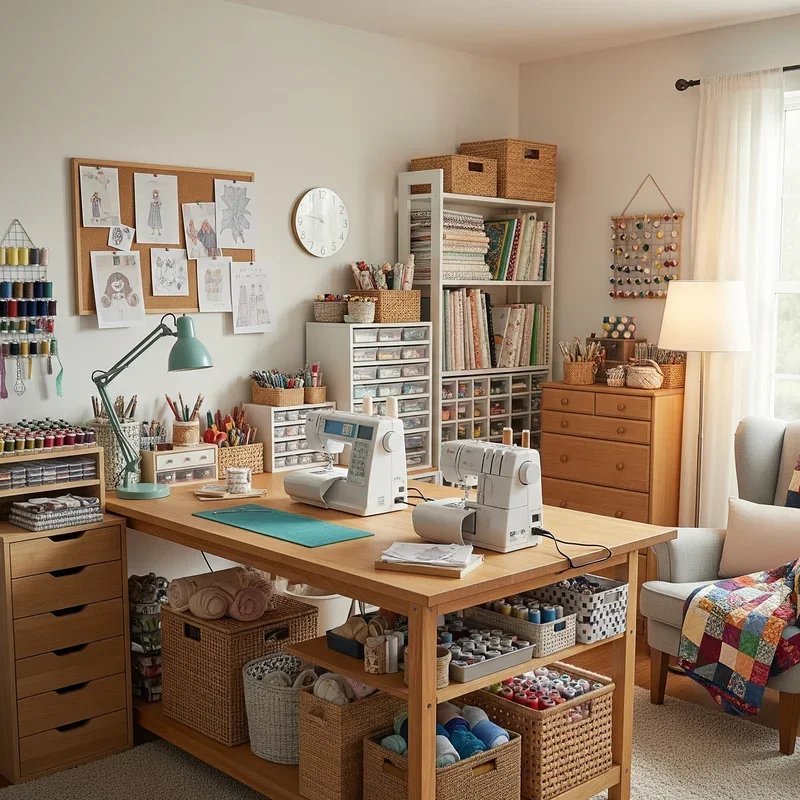
To get the most out of your sewing patterns, having the right tools in your “sewing lab” is crucial. While you don’t need every gadget on the market, these essentials will make your process smoother and more professional:
1. Quality Cutting Tools
Invest in a pair of high-quality fabric shears that are used only for fabric. Cutting paper with your fabric scissors will dull them instantly. For patterns, a rotary cutter and a self-healing mat are game-changers, especially for the curved lines found in digital patterns. They allow for much greater precision than traditional scissors.
2. Pattern Weights vs. Pins
While many traditionalists swear by pins, modern sewists often prefer pattern weights. These can be anything from professional metal weights to heavy washers from the hardware store. They hold your pattern flat against the fabric without distorting it, which is particularly helpful when working with delicate fabrics like silk or slippery synthetics.
3. Marking Tools
Transferring pattern markings (like darts, notches, and button placements) is a step you should never skip. Tailor’s chalk, water-soluble pens, or even a simple tracing wheel with carbon paper are all excellent choices. Accurate markings are the secret to a professional-looking finish.
4. The Magic of Steam
A good steam iron is perhaps the most underrated tool in a sewist’s arsenal. Pressing your pattern pieces before you cut, and pressing every seam as you sew, will transform your results. In the world of sewing, “pressing” is just as important as “stitching.”
Frequently Asked Questions About Sewing Patterns
Q: What does “Seam Allowance” mean?
A: Seam allowance is the distance between the edge of the fabric and the line where you sew. Most modern indie patterns include the seam allowance in the pattern pieces (usually 5/8 inch or 1.5 cm), but some European or vintage patterns may require you to add it yourself. Always check the pattern instructions!
Q: Can I sell clothes I make from these patterns?
A: This depends on the designer’s “Terms of Use.” Most indie designers allow you to sell garments made from their patterns on a small, home-based scale, but mass production is typically prohibited. Always check the designer’s website or the fine print on the pattern.
Q: What is a “Muslin” or “Toile”?
A: A muslin (or toile) is a test version of a garment made from inexpensive fabric (like unbleached cotton) before you cut into your “good” fabric. This allows you to check the fit and make any necessary adjustments without risking your expensive materials.
Q: How do I store my PDF patterns after I’ve cut them?
A: Many sewists use large manila envelopes or clear plastic sleeves in a binder. Be sure to label the outside with the pattern name, size, and a small sketch or photo of the garment so you can easily find it later.
Q: What if I’m between sizes?
A: This is the beauty of sewing! You can “grade” between sizes. For example, if your bust is a size 10 but your waist is a size 14, you can draw a smooth line connecting the size 10 at the armscye to the size 14 at the waist. This creates a custom fit that you’ll never find in a store.
Final Thoughts for the Kadence User
Using the Kadence theme provides you with a robust framework for sharing your sewing journey. Its “Gutenberg-first” approach means you can use blocks to create beautiful, interactive content. Consider using the Kadence Info Box block to highlight “Key Takeaways” from each section of this article, or the Kadence Testimonials block to share reviews of the patterns you sell.
By combining high-quality, easy-to-follow patterns with a fast, SEO-optimized website, you are building a destination that will inspire and empower makers for years to come. Happy sewing!

Pingback: The Ultimate Guide to Sewing Patterns - patternslabco