
Sewing Patterns
Nightgown Sewing Pattern: Fit, Fabric, and Comfort Guide
Aug
A nightgown sewing pattern should be judged by comfort before style, because sleepwear has to move with the body for hours. In the local Semrush export, “nightgown sewing pattern” shows 590 monthly searches with keyword difficulty 8, which makes it a useful low-competition tutorial keyword for sewists who want handmade sleepwear.
This guide explains how to choose a nightgown pattern, compare finished measurements, pick breathable fabric, test neckline and strap details, sew soft seams, and turn one good pattern into a repeatable sleepwear piece.
Key Takeaways
- Choose a nightgown pattern by bust, hip, finished ease, strap position, and neckline comfort.
- Cotton lawn, voile, double gauze, rayon challis, modal jersey, and bamboo knits all create different sleepwear results.
- Soft seam finishes matter because nightgown seams sit directly against the skin for long wear.
- Sew one test version before using delicate lace, silk, eyelet, or expensive sleepwear fabric.
What Makes a Nightgown Sewing Pattern Comfortable?
A comfortable nightgown pattern has enough bust and hip ease, a neckline that stays put, straps or sleeves that do not twist, and fabric that feels soft after washing. Comfort is not the same as oversized. Too much fabric can bunch under the body while sleeping.
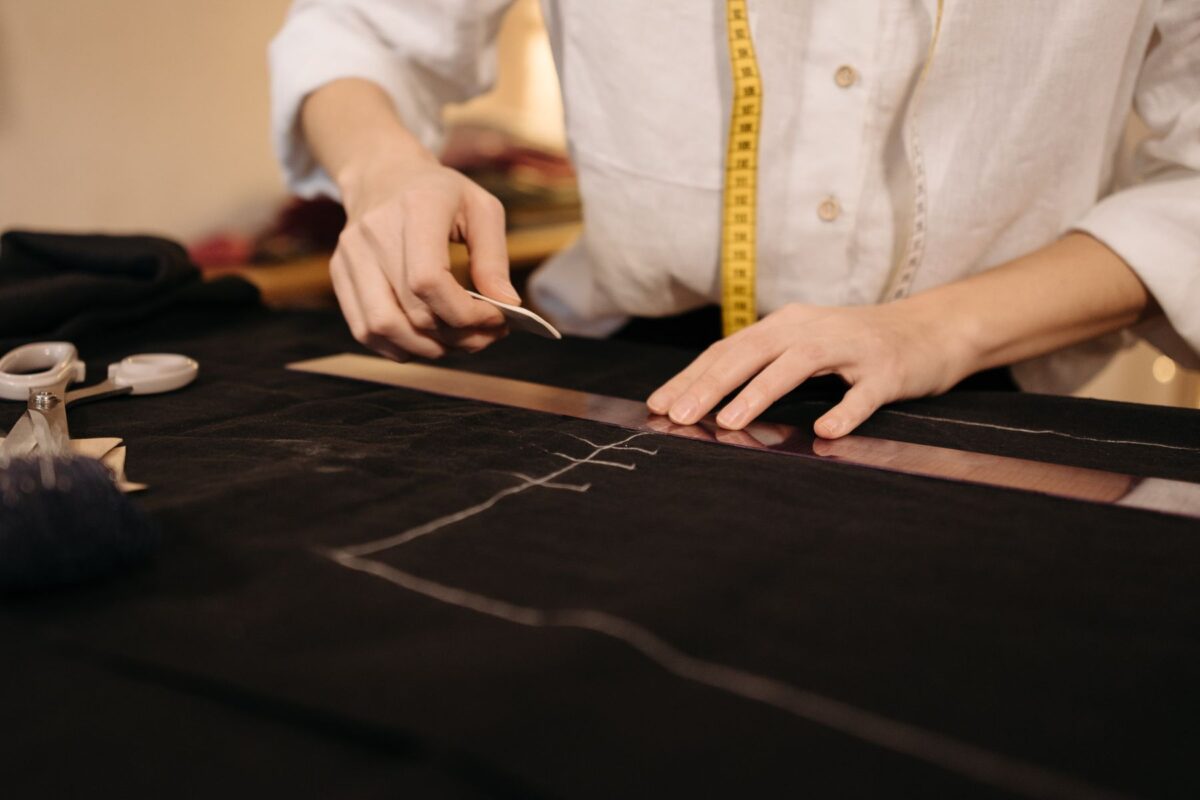
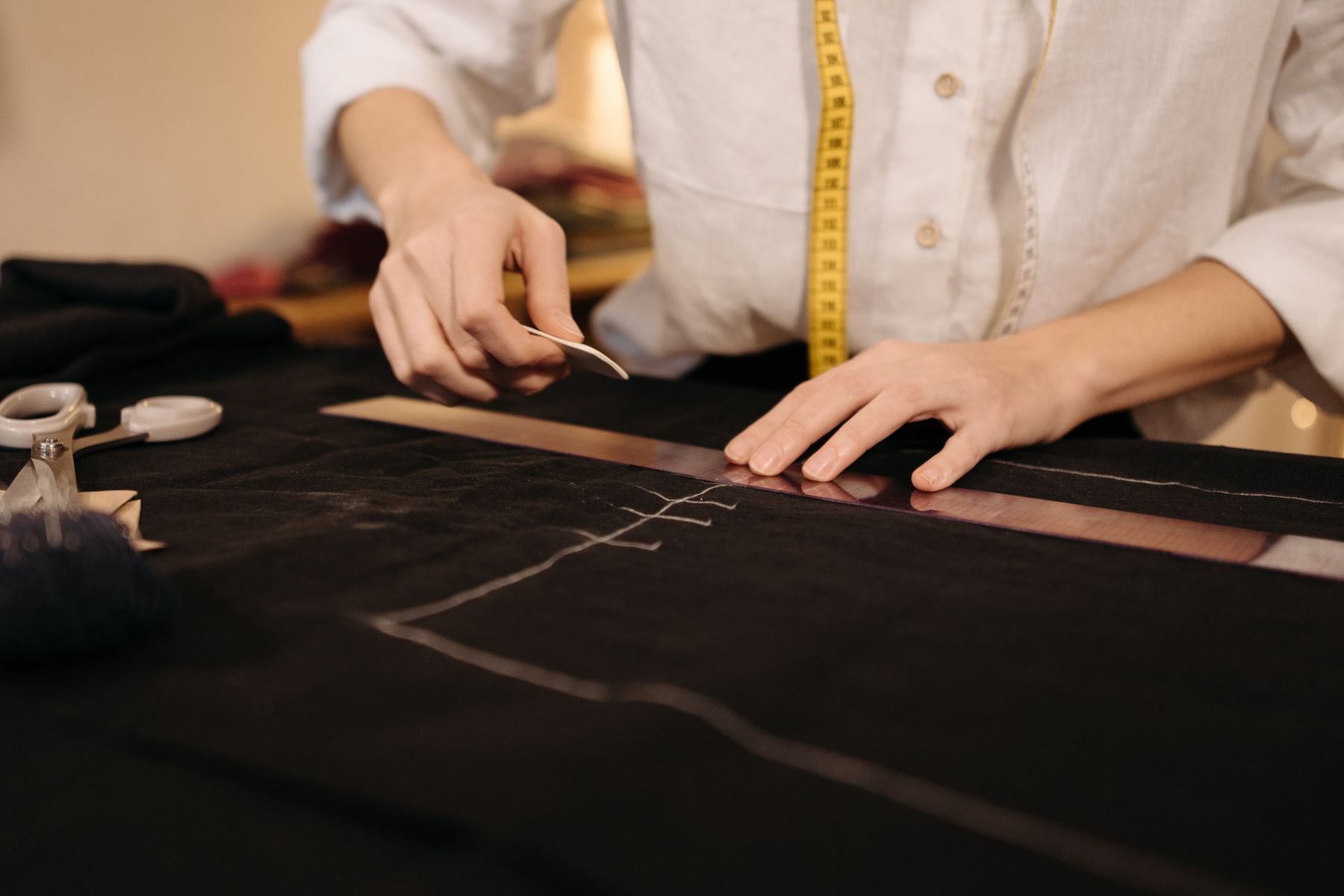
Look for finished garment measurements, not only body measurements. Sleepwear needs room for turning, sitting, and pulling over the head. A woven nightgown usually needs more ease than a knit nightgown because it will not stretch during wear.
If pattern sizing still feels inconsistent, start with our how to read a sewing pattern guide. Nightgown patterns often rely on neckline, hem, and grain markings that are easy to overlook.
How Do You Choose the Right Nightgown Size?
Choose size from the bust and hip first, then check the finished garment measurements. Tilly and the Buttons recommends measuring the body and comparing finished measurements because sewing pattern sizes are not the same as ready-to-wear sizes.
For loose woven nightgowns, the bust and upper back decide whether the garment feels easy or restrictive. For knit sleep shirts, stretch percentage and recovery become just as important as the printed size.
Measure a sleep garment you already like. Compare bust width, hip width, armhole depth, strap length, neckline drop, and finished length. That flat comparison is often clearer than guessing from a pattern photo.
If you are between sizes, choose the size that protects movement first, then refine the neckline, straps, or side seams. Sleepwear that is slightly generous can be adjusted, but sleepwear that pulls across the chest or hip usually stays uncomfortable.
Which Fabric Works Best for a Nightgown?
The best fabric depends on whether you want crisp, floaty, warm, or stretchy sleepwear. Threads notes that cotton voile, lawn, eyelet, charmeuse, silk satin, crepe de Chine, rayon challis, modal, bamboo blends, double gauze, and jersey knits can all suit romantic or everyday nightgown styles.
For a beginner woven nightgown, cotton lawn, cotton voile, washed cotton, double gauze, or rayon challis are easier than slippery satin. For a knit nightgown, choose jersey with recovery so the neckline and hem do not grow after one night.
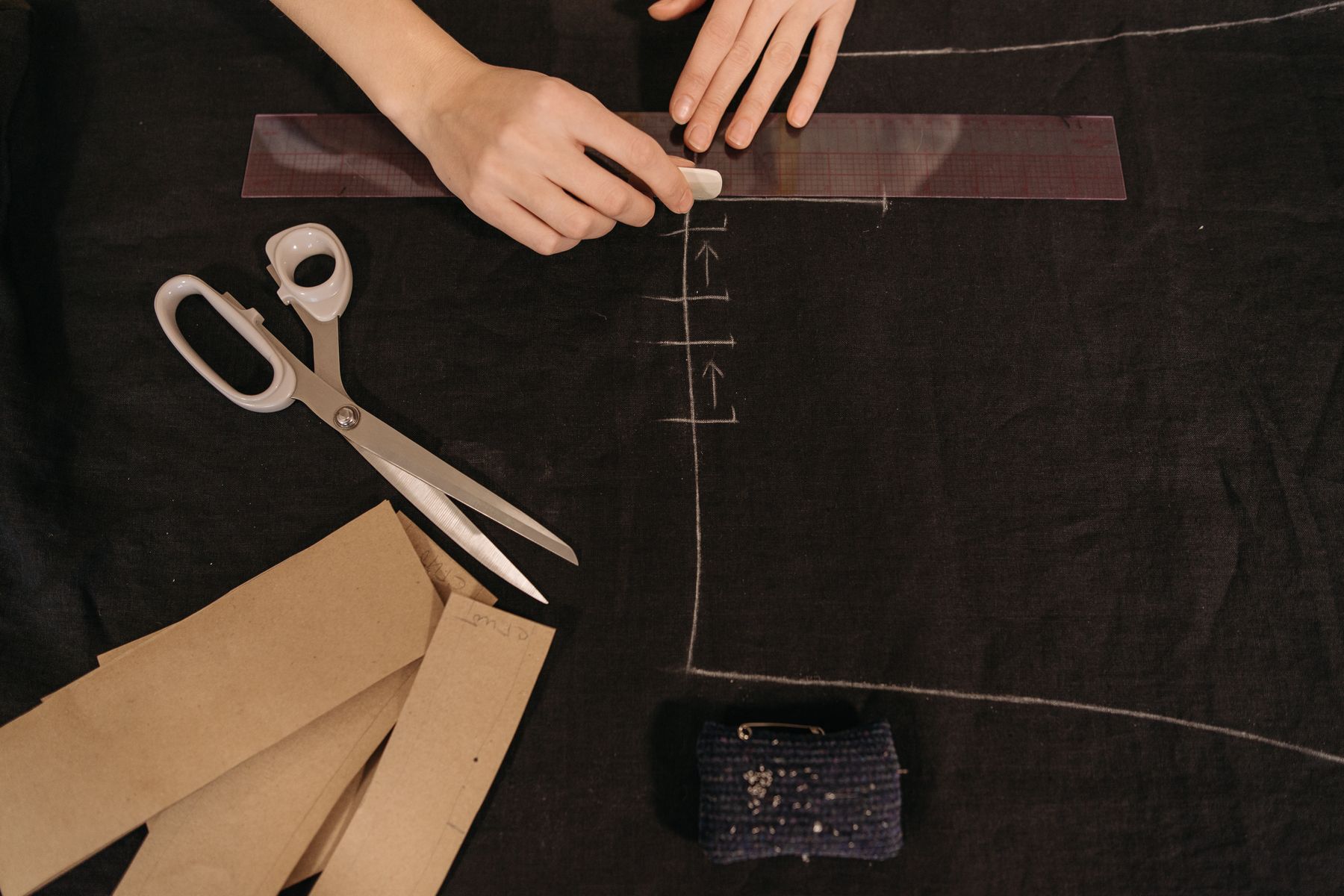
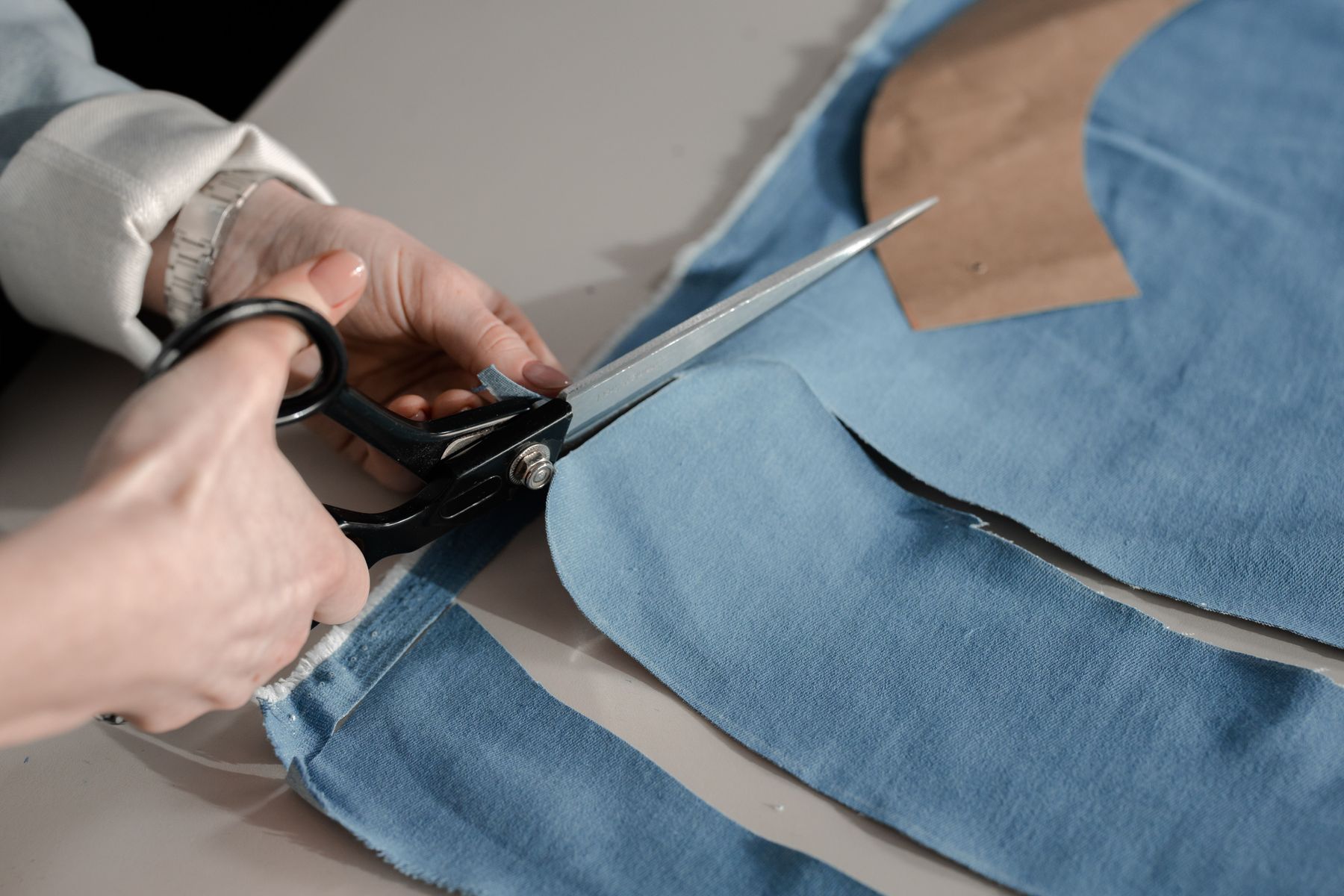
Wash and dry the fabric before cutting. Sleepwear is washed often, and shrinking after sewing can change bust ease, hem length, strap fit, and sleeve comfort. Press the fabric gently so the grain is readable before layout.
For more fabric testing habits, compare the drape checks in our midi skirt sewing pattern guide. Soft garments depend on cloth behavior before construction begins.
Should You Sew Woven or Knit Sleepwear First?
A woven nightgown is usually easier to cut accurately, while a knit nightgown may feel more forgiving on the body. The best first choice depends on your machine, fabric confidence, and whether the pattern uses closures, elastic, straps, or a simple pull-on shape.
Choose woven fabric if you want a floaty gown, gathered yoke, puff sleeve, button placket, or heirloom-style trim. Choose knit fabric if you want a T-shirt style nightgown, soft recovery, fewer closures, and easy movement.
Do not switch fabric type unless the pattern allows it. A woven pattern cut in knit may sag at the neckline. A knit pattern cut in woven may not fit over the shoulders or hips.
How Should Straps, Sleeves, and Necklines Fit?
Straps and necklines decide whether a nightgown stays comfortable overnight. The neckline should sit securely without pulling across the chest, gaping when you lean forward, or rubbing at the underarm.
If the pattern has straps, baste them first and test length before finishing the back edge. Adjustable straps are useful, but fixed straps can be cleaner if you confirm the length on the body before final stitching.
Sleeves need enough room for reaching and sleeping positions. Raise both arms, cross them, and lie back if possible during a test fitting. A sleeve that feels fine while standing can pull during sleep.
Trim and lace should be soft on the skin side. Rub a scrap against your neck or underarm before sewing it onto the finished nightgown. Beautiful trim is not worth a scratchy neckline.
Common Nightgown Pattern Mistakes to Avoid
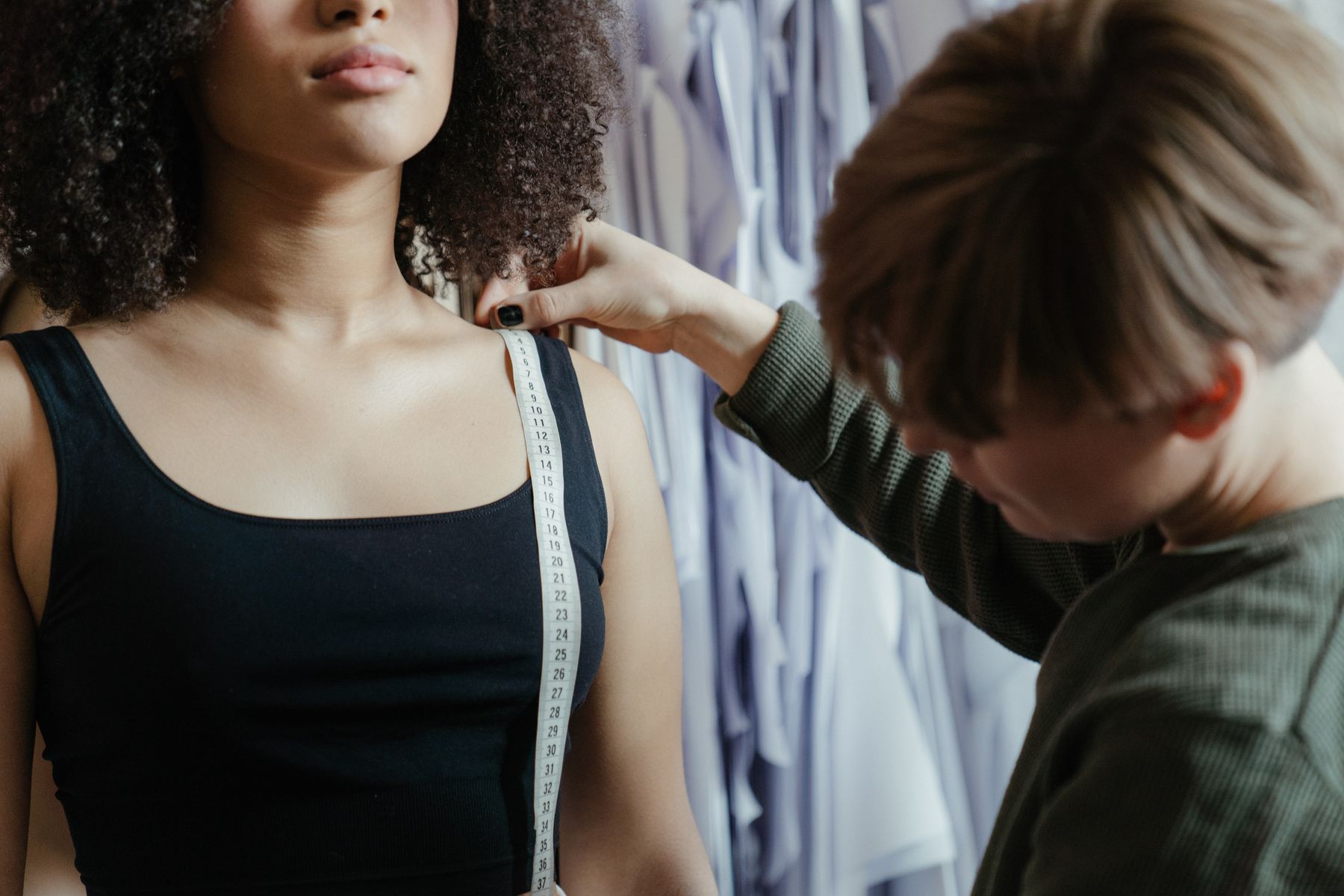
The most common mistake is choosing fabric only by print. A pretty cotton can feel stiff, and a delicate satin can be hard to sew cleanly. Sleepwear needs the right hand, weight, breathability, and seam finish.
Another mistake is ignoring bust support and neckline depth. A nightgown can be loose and still gape badly at the front. Check neckline position while sitting, bending, and moving the arms.
Do not skip a test version when using sheer fabric, lace, silk, or a bias-cut design. Bias fabric can grow, lace can distort, and silky fabric can shift under the presser foot.
For more small-fit checks, see our free tank top sewing pattern guide. Straps, armholes, and necklines create similar comfort issues.
- Do not overfit sleepwear. You need room to turn, sit, and pull the garment on.
- Do not use scratchy trim. Test lace, elastic, and thread against the skin.
- Do not hem too early. Let soft or bias fabric hang before marking length.
What Seam Finishes Feel Best in Sleepwear?
The best seam finish is smooth, washable, and soft inside the garment. French seams, narrow zigzag finishes, serged seams, flat-felled seams, and bound seams can all work, but the fabric weight should decide the finish.
Use French seams on lightweight woven cotton, lawn, voile, or rayon when the seam allowance is narrow enough. Use a small zigzag or serger on knits so the seam can stretch without popping stitches.
Avoid bulky finishes at the underarm, side seam, strap attachment, and neckline. Those areas rub more than a skirt side seam or jacket interior. Trim, grade, and press carefully before topstitching.
How Can One Nightgown Pattern Become a Sleepwear Set?
Once the base pattern fits, repeat it with one change at a time. Try a shorter length, longer gown, ruffle hem, contrast straps, lace neckline, soft pockets, or matching robe fabric after the first version proves comfortable.
Keep seasonal fabric notes. Cotton lawn and voile work well for warm nights. Brushed cotton, flannel, modal jersey, and bamboo knit can feel better in cooler weather. The same pattern may need small ease changes across fabrics.
Save the altered pattern with notes on size, bust ease, strap length, neckline change, seam finish, needle, stitch type, and fabric shrinkage. Sleepwear gets repeated often, so good notes save time on every future version.
If you want another repeatable handmade wardrobe base, compare the planning approach in our A-line skirt sewing pattern guide.
Frequently Asked Questions
Is a nightgown sewing pattern beginner friendly?
Yes, if you choose a simple pull-on shape, stable fabric, and soft seam finishes. Avoid slippery satin, tiny straps, button plackets, and bias-cut designs for the first version unless the pattern instructions are very clear.
What fabric is best for a handmade nightgown?
Cotton lawn, voile, double gauze, rayon challis, modal jersey, bamboo knit, and soft washed cotton are strong choices. Pick woven fabric for float and knit fabric for stretch, then match it to the pattern’s fabric recommendations.
How much ease should a nightgown have?
A nightgown needs enough ease for sleeping positions, sitting, and pulling over the head. Check finished bust and hip measurements rather than ready-to-wear size. Woven nightgowns usually need more ease than knit nightgowns.
Should I make a test nightgown first?
Yes, especially for silk, lace, sheer fabric, bias cuts, or unfamiliar sizing. A simple test version checks bust ease, strap length, neckline depth, hem length, and sleep comfort before you cut delicate fabric.
Sources
- Semrush keyword export, Pattern Lab Co workspace, retrieved 2026-08-18.
- Threads, Pattern Roundup: Daytime Nightgown Sewing Patterns, retrieved 2026-08-18.
- Sew Guide, How To Stitch A Simple Nighty – DIY Night Dress Pattern, retrieved 2026-08-18.
- Mood Sewciety, Sleepwear Patterns, retrieved 2026-08-18.
- Tilly and the Buttons, How to Select Your Sewing Pattern Size, retrieved 2026-08-18.
