
Sewing Patterns
Duffle Bag Sewing Pattern: Straps, Zipper, and Structure Guide
Aug
A duffle bag sewing pattern is a practical project, but the bag succeeds only when the fabric, zipper, straps, lining, stabilizer, and hardware work together. In the local Semrush export, “duffle bag sewing pattern” shows 880 monthly searches with keyword difficulty 9, which makes it a strong low-competition keyword with tutorial intent.
This guide explains how to choose a duffle bag pattern, match structure to fabric, install a long zipper, reinforce straps, sew boxed corners, manage bulky seams, and finish a bag that can carry real weight.
Key Takeaways
- Choose a duffle pattern by finished size, zipper opening, strap placement, lining method, and machine capacity.
- Canvas, denim, waxed cotton, nylon, cork, faux leather, and upholstery fabric need different needles and stabilizers.
- Straps should be reinforced before the bag is assembled because they carry most of the load.
- Test the thickest seam stack before cutting, especially where zipper, lining, webbing, and outer fabric meet.
What Makes a Duffle Bag Sewing Pattern Durable?
A durable duffle bag pattern has a strong outer fabric, stable lining, reinforced straps, a reliable zipper, and seams that your machine can actually sew. The best pattern is not always the largest one. It is the one that matches your tools and fabric stack.
Check the finished size before choosing fabric. A small gym duffle, overnight bag, and travel weekender need different structure. Bigger bags carry more weight, so strap anchors, zipper ends, bottom panels, and boxed corners become more important.
If you want a smaller bag project first, our cross-body bag sewing pattern guide covers strap and zipper planning at a gentler scale.
Which Fabric Works Best for a Duffle Bag?
Choose duffle fabric by weight, abrasion resistance, washable behavior, and whether the bag needs to stand up or collapse flat. SewCanShe’s boxy duffle tutorial uses outer fabric, lining, and stabilizer pieces to create body, which is a common structure plan for bags.
Canvas, denim, twill, waxed cotton, nylon, cordura-style fabric, cork, faux leather, and upholstery fabric can all work. Beginners should avoid very thick leather, sticky vinyl, and fabric that cannot be pressed or clipped easily.
Pair soft fabric with stabilizer if the bag needs shape. Foam stabilizer, fusible fleece, batting, canvas underlining, or firm interfacing can help, but too much structure makes zipper seams and corners harder to sew.
Consider cleaning before you commit. A gym or travel duffle may need a washable lining, darker base fabric, and hardware that tolerates moisture. A display-worthy weekender can use more delicate fabric because it will not handle the same abuse. Plan realistically.
How Big Should a Handmade Duffle Be?
Size should follow use. A gym bag needs shoes, clothes, and a towel. A weekender needs folded garments. A dance or sports bag may need a wide zipper opening and washable lining.
Do not choose size from photos alone. Read finished dimensions and compare them with a bag you own. Measure length, height, depth, handle drop, shoulder strap length, and zipper opening.
A larger bag needs stronger structure. Reinforce the base, use wider straps, consider metal hardware, and check whether your machine can sew the side seams after the bag becomes three-dimensional.
For another roomy accessory project, compare fabric and pocket planning in our rucksack sewing pattern guide.
What Zipper Setup Is Best for a Duffle Bag?
A duffle zipper should be long enough to open the bag widely without straining the ends. Use handbag zipper tape, molded zipper tape, or a sturdy coil zipper based on fabric weight and use.
Sailrite’s duffel bag tutorial treats zipper panels, handles, and side panels as separate construction zones, which is a useful way to think about order. A clean zipper panel is easier before the bag body is fully closed.
Baste or clip the zipper before final stitching. Keep zipper teeth away from bulky seam allowances, and secure zipper ends so the slider does not run into a thick corner.
If the pattern allows zipper tabs, use them to reduce bulk at the side seams. Tabs also make the zipper ends look intentional and give the slider a cleaner stopping point.
How Should Straps and Handles Be Reinforced?
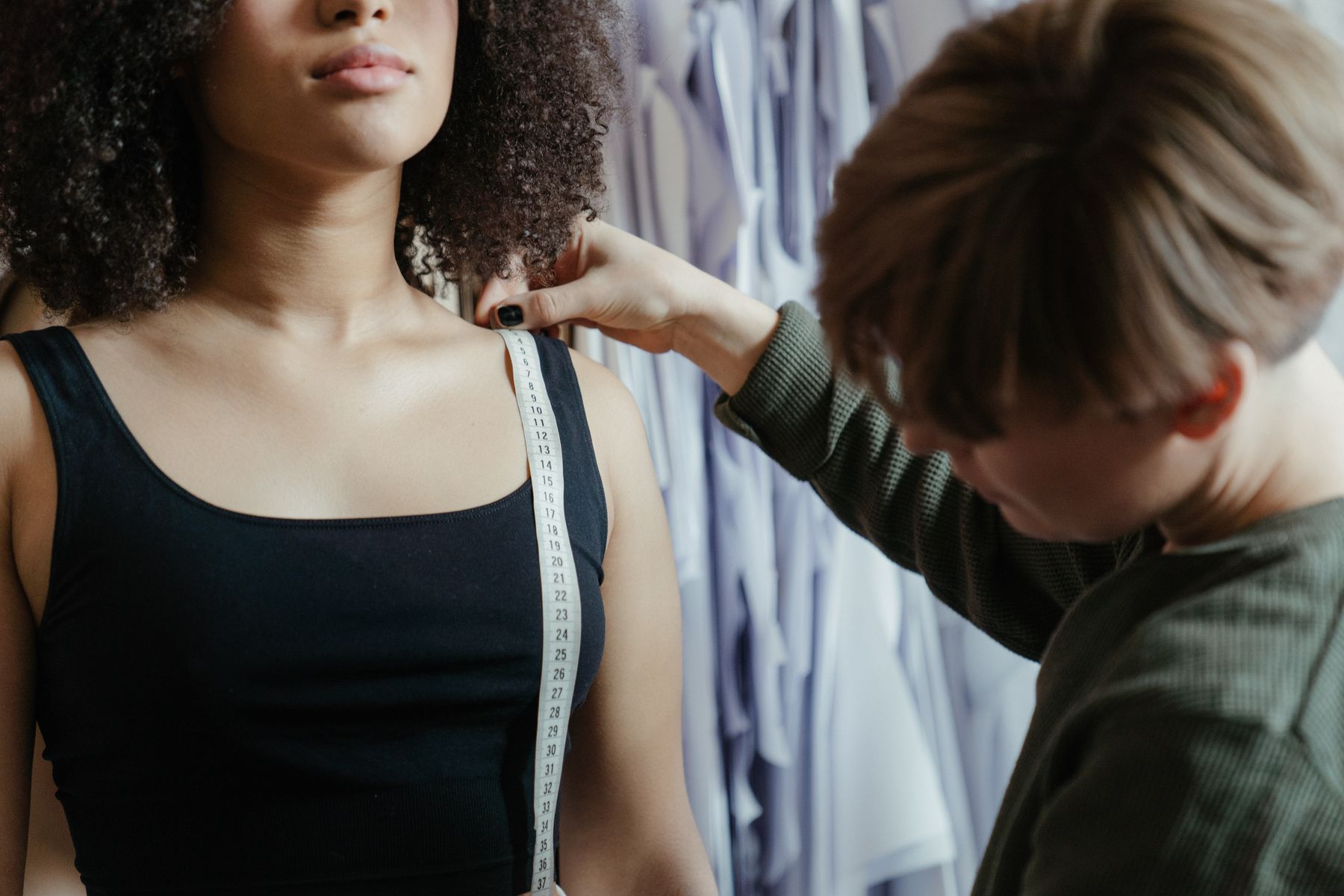
Straps carry the weight, so reinforce them before the bag is assembled. Use webbing, fabric straps with interfacing, box-stitching, bar tacks, rivets, or anchor patches depending on the pattern and machine.
Place straps where the bag naturally balances. If handles are too close together, the bag can collapse inward. If they are too far apart, the zipper opening can distort when the bag is full.
Test the strap stack on scraps. Sew through the same number of layers, including stabilizer and lining if they are caught in the seam. If stitches skip, change needle, thread, presser foot, or strap method.
For shoulder straps, check adjuster and swivel hook width before cutting webbing. Hardware that is too narrow wrinkles the strap, while hardware that is too wide lets the strap twist under weight.
How Do Boxed Corners and End Panels Affect Shape?
Boxed corners and end panels turn flat fabric into a useful carrying shape. Andrie Designs explains that clean boxed corners depend on accurate pinning and stitching across both outer bag panels and lining panels.
For rectangular duffles, boxed corners usually define the base depth. For cylindrical duffles, round or oval end panels decide the final volume. Both methods need accurate seam allowance and clipping so the lining fits the outer bag.
Mark corner depth and side-panel notches clearly. Small mismatches become obvious when the bag sits on a table. Press or finger-press seams as much as the fabric allows before closing the lining opening.
If the bag needs a firm bottom, add a removable base insert rather than forcing extra stiffness into every seam. A separate insert can be replaced, cleaned, or removed when the bag needs to pack flat.
Common Duffle Bag Pattern Mistakes to Avoid
The most common mistake is choosing fabric and stabilizer that create a seam stack the machine cannot sew. The second is installing straps too late, when reinforcement is harder to reach.
Another mistake is using a dress zipper. Bags need zippers that tolerate pulling, weight, and repeated use. A weak zipper can fail even when the fabric and seams are strong.
Do not ignore lining color and washability. A light lining helps you find items inside the bag, but it should handle shoes, toiletries, gym clothes, or travel dirt if that is how the duffle will be used.
- Do not skip seam samples. Test the thickest fabric, zipper, strap, and stabilizer stack.
- Do not under-reinforce handles. Straps fail where stress is concentrated.
- Do not make the opening too short. A duffle needs practical access.
How Can One Duffle Pattern Become Several Bags?
Once the base pattern works, change one feature at a time. Try a shoe pocket, waterproof lining, detachable shoulder strap, inside zipper pocket, luggage sleeve, padded base, or contrast end panels.
Keep the structure matched to use. A soft canvas version can be a foldable gym bag. Foam-stabilized fabric can become a weekender. Water-resistant nylon can become a sports or swim bag if seams and zipper choices suit moisture.
Save notes on fabric, stabilizer, needle size, thread, zipper length, strap width, hardware, and seam issues. Bag projects have many repeated decisions, and those notes make the next version faster.
For a smaller zipper-heavy project before a full duffle, see our wallet sewing pattern guide.
Frequently Asked Questions
Is a duffle bag sewing pattern beginner friendly?
It can be, if the pattern uses stable fabric, a simple zipper panel, and clear strap instructions. A large structured duffle with foam, heavy canvas, hardware, and lining is better for an intermediate sewist.
What fabric is best for a handmade duffle bag?
Canvas, denim, twill, waxed cotton, nylon, cork, faux leather, and upholstery fabric can work. Choose fabric based on durability and machine capacity, then add stabilizer only if the bag needs more shape.
What zipper should I use for a duffle bag?
Use a sturdy coil, handbag, or molded zipper long enough for the bag opening. Avoid lightweight dress zippers because duffle bags put more stress on the zipper tape, slider, and ends.
How do I reinforce duffle bag straps?
Use webbing, interfaced fabric straps, anchor patches, box stitching, bar tacks, rivets, or reinforced seams. Test the full strap stack first so your machine can sew it cleanly without skipped stitches.
Sources
- Semrush keyword export, Pattern Lab Co workspace, retrieved 2026-08-18.
- SewCanShe, Boxy Duffle Bag Sewing Pattern, retrieved 2026-08-18.
- Sailrite, How to Sew a Duffel Bag, retrieved 2026-08-18.
- Andrie Designs, Creating Boxed Corners, retrieved 2026-08-18.
- Ageberry, DIY Tote Bag Tutorial: Lined Bag with Boxed Corners, retrieved 2026-08-18.
