Sewing Patterns
A Line Dress Sewing Pattern: Fit and Fabric Guide
Jul
An A line dress sewing pattern is popular because the shape is simple, wearable, and forgiving below the waist. In the local Semrush export, “a line dress sewing pattern” shows 720 monthly searches with keyword difficulty 13, making it a strong low-competition garment keyword with commercial and tutorial intent.
This guide explains how to choose an A line dress pattern, check bust and shoulder fit, match fabric drape, adjust length, plan closures, and sew a clean version without overcomplicating the project.
Key Takeaways
- Fit the shoulders, bust, neckline, and armhole first because the A line shape hangs from the upper body.
- Stable cotton, linen blends, ponte, chambray, rayon, and lightweight denim all create different silhouettes.
- A muslin helps check bust darts, shoulder slope, neckline gaping, and hem width before final fabric.
- Keep the first version simple, then add sleeves, pockets, collars, or lining after the base fit works.
What Makes an A Line Dress Sewing Pattern Flattering?
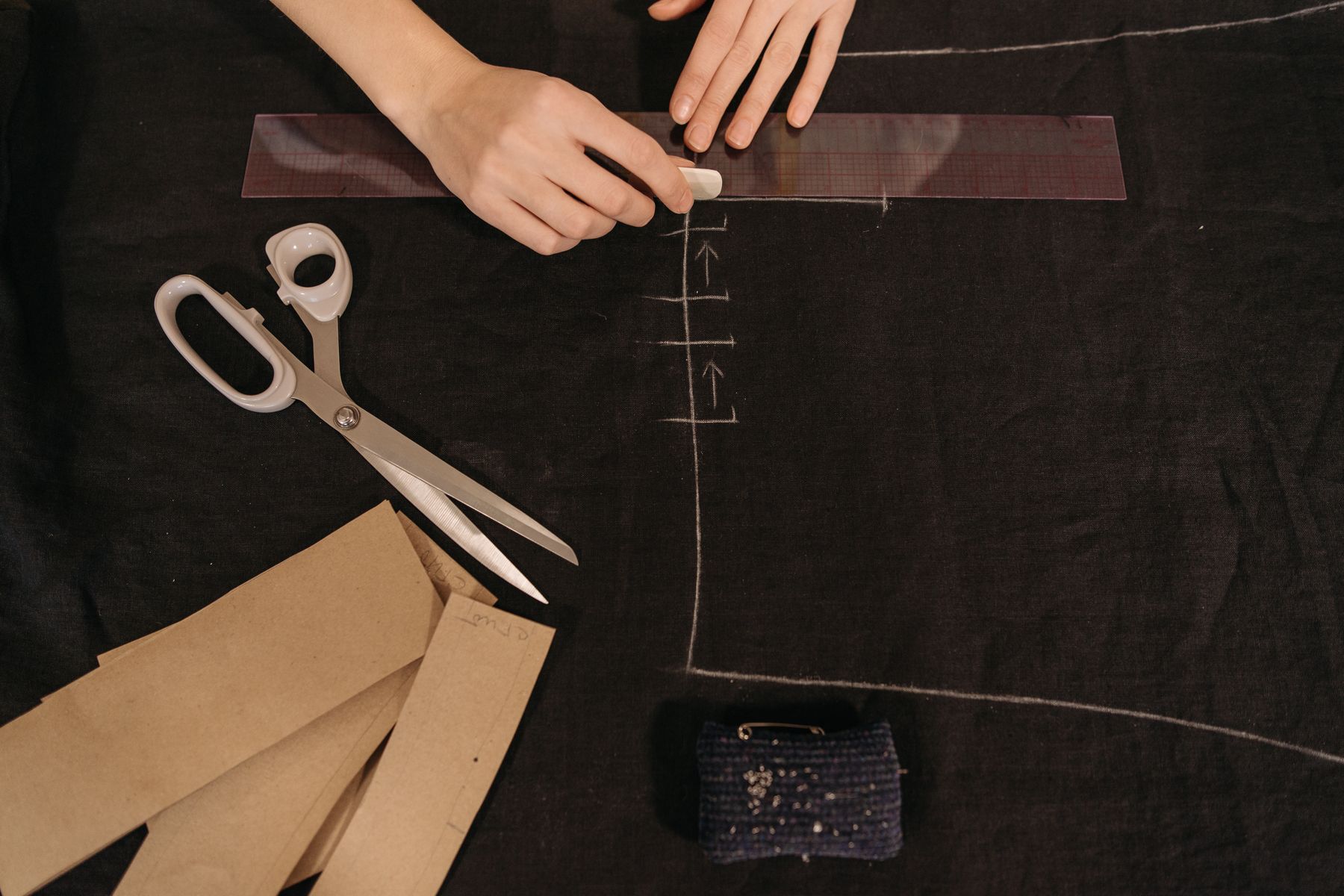
An A line dress works when the upper body fits cleanly and the skirt widens gradually without swinging away from the body. Tilly and the Buttons recommends choosing pattern size from body measurements rather than ready-to-wear labels.
The dress does not need to be tight to look polished. It needs enough bust and armhole room, a neckline that lies flat, and a hem width that matches the fabric. If the shoulders are wrong, the whole dress hangs badly.
If you like this shape in separates, compare the waist and flare notes in our A-line skirt sewing pattern guide. The same silhouette behaves differently when it hangs from shoulders.
How Do You Choose the Right A Line Dress Size?
Choose the starting size from the bust, upper bust, shoulders, and finished garment measurements. Mood Sewciety notes that fit changes with fabric drape, so size and fabric should be evaluated together before cutting.
If the dress has bust darts, choose a size that gives enough upper-body control. If the pattern is sleeveless, check armhole height and shoulder width carefully. Low armholes can show underlayers and make the dress feel less refined.
Blend between sizes when the bust, waist, and hip measurements span different columns. The A line shape gives more lower-body ease, so do not automatically choose the hip size if the bodice would become too large.
Make a quick bodice muslin if you are unsure. You can stop the test at the high hip and still learn whether the bust darts, neckline, and shoulders need adjustment.
Which Fabric Works Best for an A Line Dress?
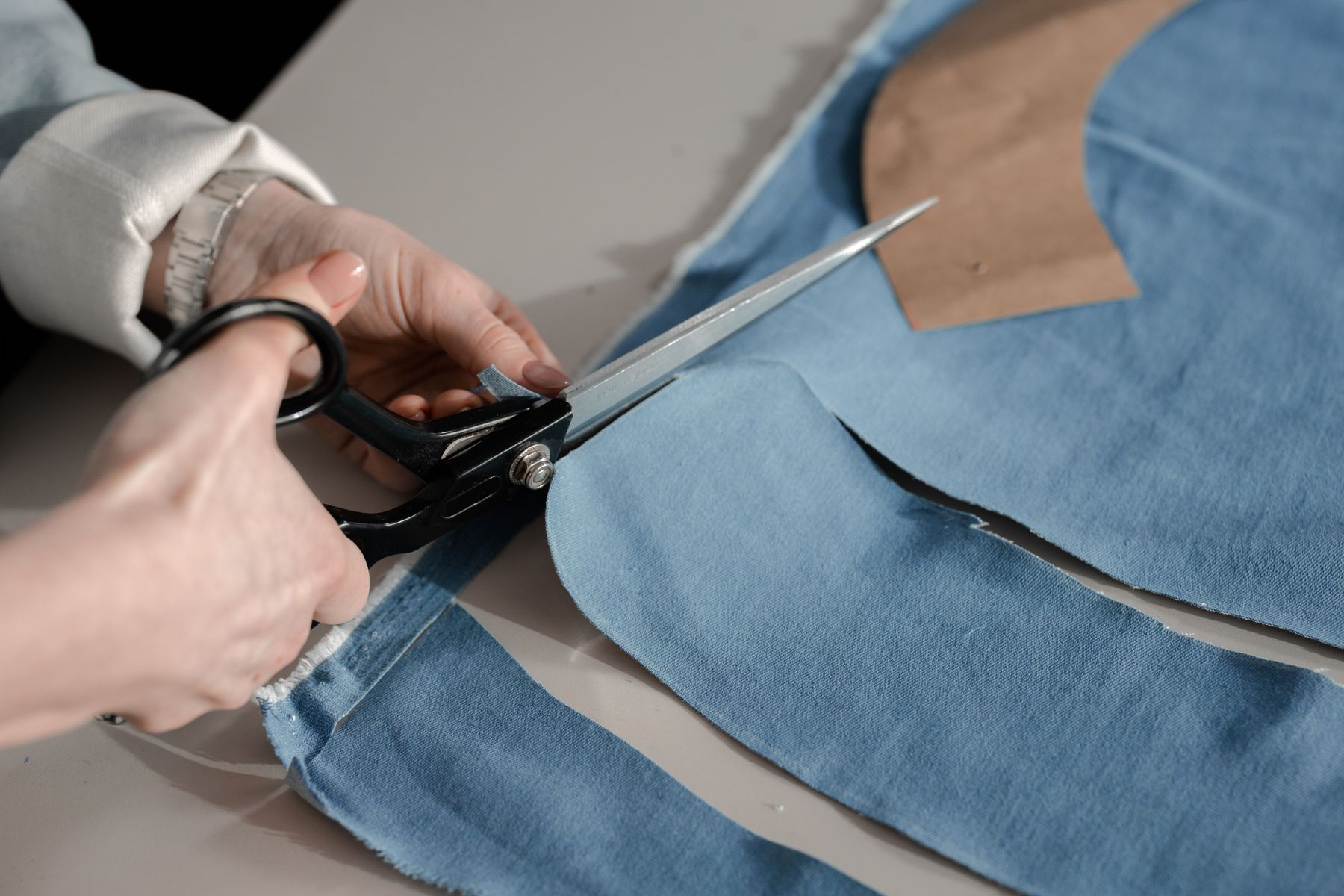
The best fabric depends on whether you want a crisp, structured dress or a soft, flowing one. Love Notions describes fabric selection as central for garment sewists because weight, stretch, and drape change the finished result.
Use cotton lawn, poplin, chambray, linen blends, light denim, ponte, rayon challis, viscose, or crepe depending on the pattern. Crisp fabric shows the A shape clearly. Drapey fabric makes the dress move closer to the body.
Avoid heavy fabric if the dress has a lot of hem width. The weight can drag from the shoulders. Avoid very flimsy fabric if the pattern has patch pockets, collars, or button plackets that need structure.
How Should You Check Bust, Shoulder, and Neckline Fit?
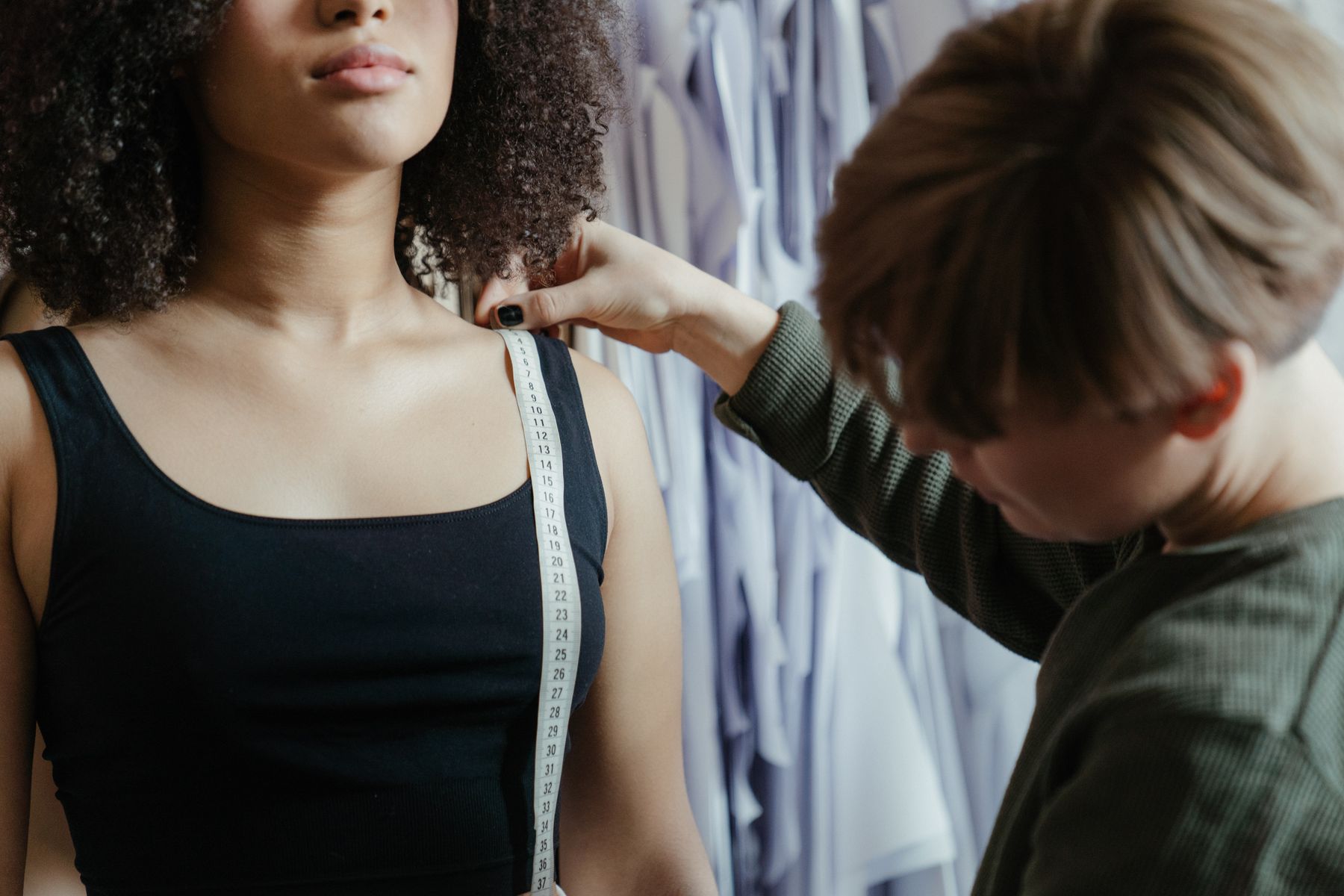
Check bust, shoulder, and neckline fit before judging the skirt shape. Tilly and the Buttons fitting resources cover common bust, waist, hip, and length adjustments, which are the same checks that keep simple dresses wearable.
Pin or baste the shoulder seams and side seams, then look at the neckline. If it gaps, the shoulder or upper bust may need adjustment. If the bust dart points too high or low, move it before changing side seams.
Raise your arms, sit down, and reach forward. A sleeveless A line dress can look fine while standing but bind at the armhole. A sleeved dress needs enough bicep and shoulder movement before the hem is evaluated.
What Length and Hem Width Should You Choose?
Choose length and hem width by fabric, shoes, and how much movement you want. A narrow A line dress feels closer to a shift. A wider hem creates more swing but can look bulky in crisp fabric.
Mark the finished length while wearing the bra, shoes, and layers you expect to use. A small length change can shift the whole proportion, especially when the dress has sleeves or a high neckline.
If the hem has a strong curve, finish it with care. A narrow hem, bias facing, or shaped facing often handles curves better than forcing a deep fold. Test the hem on scraps first.
For long-dress proportion checks, review our maxi dress sewing pattern guide. Length decisions change how fabric weight behaves.
Common A Line Dress Pattern Mistakes to Avoid
The most common mistake is treating an A line dress as fit-free. The lower body has room, but the bust, shoulder, neckline, and armhole still control the garment. A loose dress can still pull or gape.
Another mistake is pairing fabric and pattern against each other. A structured pattern in limp rayon may lose shape. A soft pattern in stiff cotton may flare like a tent. The pattern envelope fabric suggestions matter.
Do not skip staystitching at necklines and armholes. Simple dresses often have visible edges, and stretched curves can make the whole garment look homemade in the wrong way.
- Do not choose by hip alone. The bodice carries the dress.
- Do not overfit the waist. A line dresses need room to skim.
- Do not rush the hem. Curved hems need even pressing and marking.
How Can You Adjust an A Line Dress Pattern?
Adjust an A line dress from the top down. Fix shoulder width, neckline gaping, bust dart position, and armhole depth before changing side seams. Those areas decide how the dress hangs.
Add or remove length at the pattern’s lengthen-or-shorten lines rather than only at the hem if the waist, pocket, or flare position needs to move. Hem-only changes can leave pockets too low or proportions off.
If the dress feels too wide, remove volume gradually from the side seams below the bust. Keep enough walking ease at the hem. A beautiful A line shape should skim, not collapse into a tight shift.
For upper-body fitting logic, compare our free tank top sewing pattern guide. Neckline and armhole adjustments follow the same principles.
What Should You Check Before Cutting Final Fabric?
Before cutting, confirm size, bust dart placement, shoulder width, neckline stability, armhole depth, fabric drape, closure type, pocket position, and final length. A simple dress leaves little construction detail to hide fit problems.
Lay out fabric with the grainline straight and the print direction consistent. A line dresses use wide pieces, so small off-grain errors can make the side seams twist or the hem hang unevenly.
Sew in checkpoints. Finish darts and shoulders, try on, then baste side seams before final stitching. If the pattern has a zipper, test the side or back seam before trimming seam allowances.
Check the dress with the undergarments and layers you expect to wear. A neckline that sits flat over one bra can gape over another, and sleeve comfort can change under a cardigan or jacket.
If the dress has pockets, pin their placement before final stitching. Pockets that sit too low can pull the side seam and make the A line shape look heavier.
Record final changes on the pattern copy. Note fabric, size blend, bust adjustment, hem depth, needle, interfacing, and closure. Those notes turn the dress into a repeatable wardrobe pattern.
Frequently Asked Questions
Is an A line dress sewing pattern good for beginners?
Yes, an A line dress can be beginner friendly when it has simple seams, no lining, and an easy closure. Beginners should still check bust, shoulder, neckline, armhole, and hem fit before cutting final fabric.
What fabric is best for an A line dress?
Cotton lawn, poplin, chambray, linen blends, ponte, rayon challis, viscose, crepe, and light denim can work. Choose crisp fabric for structure and drapey fabric for softer movement.
How do I stop an A line dress from looking too wide?
Check shoulder and bust fit first, then remove lower-body width gradually from the side seams. Keep enough hem ease for walking, sitting, and the fabric style the pattern was designed to create.
Do I need a zipper for an A line dress?
Not always. Some A line dresses use knit fabric, loose necklines, button plackets, or pull-on shaping. Fitted woven versions usually need a zipper, buttons, or another opening to pass over the shoulders and bust.
Sources
- Semrush keyword export, Pattern Lab Co workspace, retrieved 2026-07-22.
- Tilly and the Buttons, How to Select Your Sewing Pattern Size, retrieved 2026-07-22.
- Mood Sewciety, The Ultimate Guide to Fabric Drape & Fit, retrieved 2026-07-22.
- Love Notions, Fabric Guide for Garment Sewists, retrieved 2026-07-22.
- Tilly and the Buttons, Fitting Sewing Patterns, retrieved 2026-07-22.
